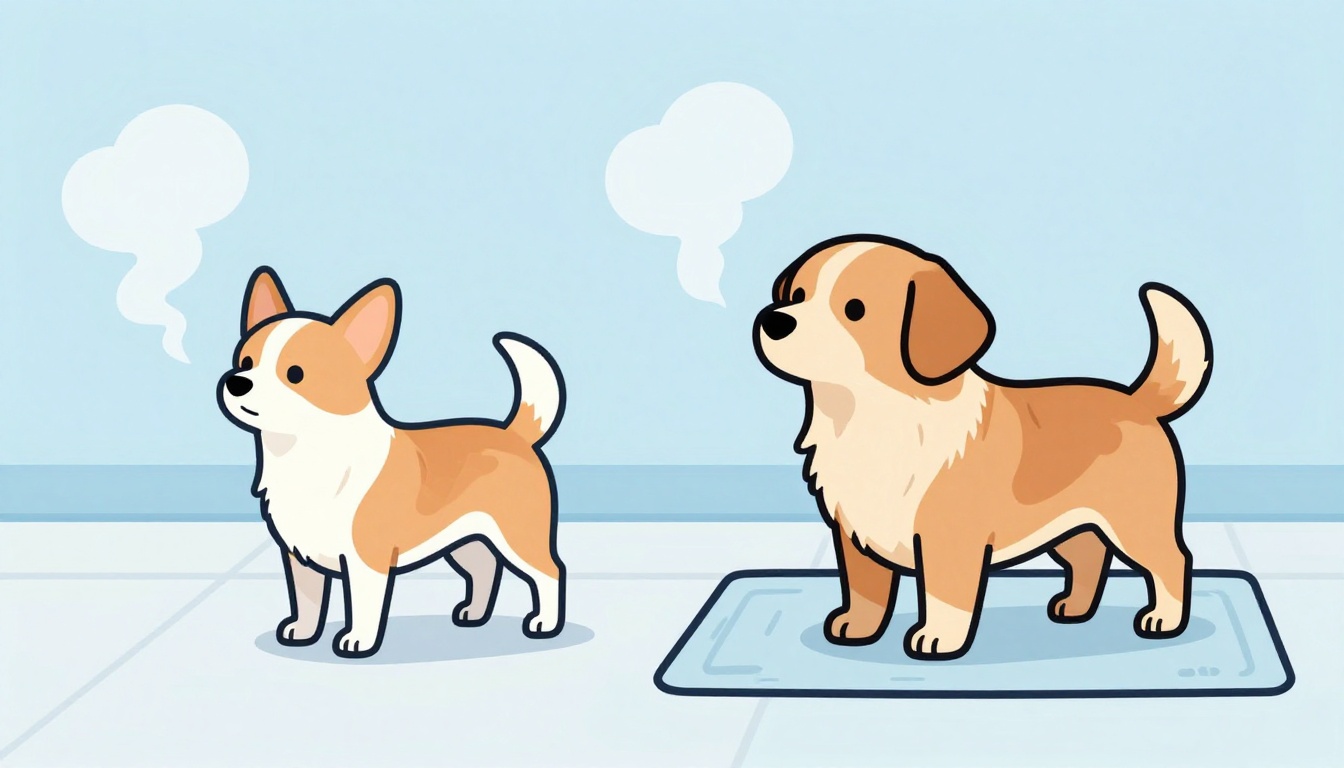
Your dog comes in from a brisk walk, and suddenly those legs start shaking. Is it just the cold, or something more? Many owners panic at the sight. You notice the quick little shakes and wonder if your pup needs a blanket or a vet visit right away.
Shivering and trembling look similar but mean different things. Shivering often signals simple fixes like warmth or excitement. Trembling points to stress or health worries that need attention. Owners who spot the difference act faster. They keep their dogs comfy and catch problems early.
This post breaks it down. You’ll learn everyday causes of shivering, what triggers trembling, how to tell them apart, and steps to take next. Let’s ease your mind and help your dog stay happy.
Everyday Causes of Shivering in Dogs
Dogs shiver for harmless reasons most of the time. Cold air hits them hard, especially small breeds or those with short fur. Think Chihuahuas or Greyhounds. They shake fast to warm up their bodies. Playtime excitement brings on the same quick shakes.
These shakes stay rhythmic and light. You see them in the legs or whole body. They stop once your dog settles. No need for alarm here. Focus on comfort instead.
Small dogs feel chills quicker because they lose heat fast. Thin-coated breeds do too. Watch for it after baths or winter outings. A cozy spot fixes it every time.
Shivers from Cold or Wet Conditions
Cold snaps make dogs shiver to make their own heat. Wet fur after a swim or bath worsens it. They hunch up and tuck their tails. Ears flatten too.
Dry them off well with towels. Add a dog jacket for walks. Indoors, use blankets or a warm bed. These steps end the shakes in minutes. Always check room temps stay above 68 degrees Fahrenheit.
Breeds like Italian Greyhounds shiver at 60 degrees. Provide extra layers then. Your dog thanks you with tail wags.
Happy or Hyped-Up Shivers
Excitement causes shivers too. Your dog greets you at the door with wagging tail and bright eyes. Legs quiver fast during car rides or before meals. It’s pure joy.
The shakes fade once things calm. No tail tucking here. Play fetch, and watch it happen. It shows how much they love the fun.
Reward that energy with treats after. They stop on their own. Keep sessions short if shakes last too long.
Shivering Linked to Low Energy or Nausea
Low blood sugar hits tiny breeds after play. They shiver until they eat. Puppies skip meals and shake a bit. Nausea from rich food does the same.
Feed small meals often. Watch for pale gums or weakness. These cases pass quick with food or rest. Still, track patterns.
Hypoglycemia in Yorkies needs corn syrup rubs if bad. But most times, a snack solves it. Consult your vet for breed tips. For more on low blood sugar signs, check the American Kennel Club’s guide on canine hypoglycemia.
Reasons Your Dog Might Be Trembling
Trembling differs from shivers. It comes coarser and uneven. Legs or body jerk in bigger waves. Stress sparks it first.
Fear makes dogs tremble during storms. They shake until safe. Older pups get shaky from weak muscles. Health issues hide behind some cases too.
Spot the slower rhythm. Shakes last longer without a fix. Context tells the story. Note what happens before it starts.
Stress and Fear as Top Tremble Triggers
Thunder booms, and your dog cowers. Fireworks or strangers cause the same. They whine, hide, or pace. Tail stays low.
Gentle petting helps. Speak soft words. Create a quiet room with their bed. These trembles ease with time.
Vet visits trigger it often. Carry them in arms if possible. Positive treats after build good links. For calming techniques during storms, see VCA Animal Hospitals’ advice on fear in dogs.
Age or Muscle Problems Causing Tremors
Senior dogs tremble from arthritis. Legs shake after standing up. Muscle loss makes it worse. They struggle on slick floors.
Support ramps help. Joint supplements ease pain. Walks stay gentle and short. Trembles lessen with rest.
Watch for limps too. Pads slip less on rugs. Your old pal moves better then.
Health Warnings Behind Persistent Trembling
Toxins like chocolate cause bad trembles. Kidney problems or infections do too. Seizures look like full-body shakes.
Vomiting joins in. Lethargy follows. Don’t wait here. These need pro eyes fast.
Pain from injuries hides as trembles. One leg shakes more. Check for swells or heat. Early vet trips save trouble.
Key Ways to Spot Shivering Versus Trembling
Context decides it all. Watch speed, parts hit, and how long it lasts. Shivers buzz quick like a phone vibrate. Trembles pulse slow and strong.
Time the shakes. Note the trigger. Environment clues help too. You gain confidence at home.
Here’s a simple table to compare:
| Feature | Shivering | Trembling |
|---|---|---|
| Speed | Fast, rhythmic vibrations | Slow, irregular quivers |
| Body Parts | Legs, body evenly | One leg or uneven whole body |
| Common Triggers | Cold, excitement, low sugar | Fear, age, pain, illness |
| Duration | Stops quick with fix | Lingers or repeats |
This chart shows clear splits. Use it next time shakes start. Most owners nail it after one look.
Compare the Shake Style and Speed
Shivering vibrates tiny and rapid. Think chill bumps on steroids. Your dog looks cold or pumped.
Trembling quivers larger. It jerks side to side uneven. Unease shows in the eyes. Speed sets them apart easy.
Feel the rhythm with your hand. Shivers hum steady. Trembles pulse rough.
Factor in Timing, Triggers, and Lasting Power
Shivers hit outdoors in cold. They fade inside warm. Excitement ones pop at doors.
Trembles strike with bangs or alone time. They drag on hours. No quick stop without calm.
Track in a notebook. Patterns reveal truths. Trust what you see most.
Next Steps: Comfort Your Dog and Know When to Call the Vet
Act on what you spot. Warm shivers need blankets. Fear trembles call for safe spots. Monitor close always.
Diet tweaks help low sugar. Regular walks build strength. Vet checkups catch hidden issues.
Peace comes from knowing. Most shakes pass fine. But instincts matter.
For full symptoms lists, visit PetMD’s page on dog shaking causes.
Home Fixes That Often Work Fast
Blankets wrap cold pups tight. Pheromone collars soothe fear. Distraction toys shift focus.
Try thunder shirts for storms. They hug gentle. Walks tire out hype. Tailor to the cause.
Feed before play for tiny dogs. These tricks work daily.
Urgent Signs Demanding Vet Care Now
Shakes with vomit mean trouble. Pale gums or collapse scream emergency. Limps or confusion join bad.
New lumps or non-stop quakes need looks. Don’t drive slow. Call ahead.
Weakness in legs worsens fast. Pros fix it best.
Your dog shakes less with these watches. Regular exams spot trends early.
Keep Your Pup Steady and Stress-Free
Shivering stays quick from cold or joy. Trembling drags from fear or woes. Spot the speed and stay time to know.
Most cases need simple care. But pair shakes with odd signs, and run to vets. You save time and tears that way.
Trust your eyes. Quick fixes work wonders. Share your dog’s shake stories below. What fixed it for you? Subscribe for more pet care tips. Chat with your vet today for custom advice. Your pup counts on it.
(Word count: 1492)