Picture your dog chewing its paws raw or scratching its belly until it bleeds. That constant itch drives both of you crazy. Dog skin allergies affect up to 20 percent of dogs in the US, according to recent vet reports.
These issues cause real discomfort. Your pup might seem restless or irritable because of the nonstop irritation. Left unchecked, they lead to infections or worse.
This guide breaks it down simply. You’ll learn common causes, key signs, how to check at home, when to call the vet, and prevention steps. By the end, you’ll spot common skin allergies in dogs with confidence and help your buddy feel better fast.
What Triggers Skin Allergies in Dogs?
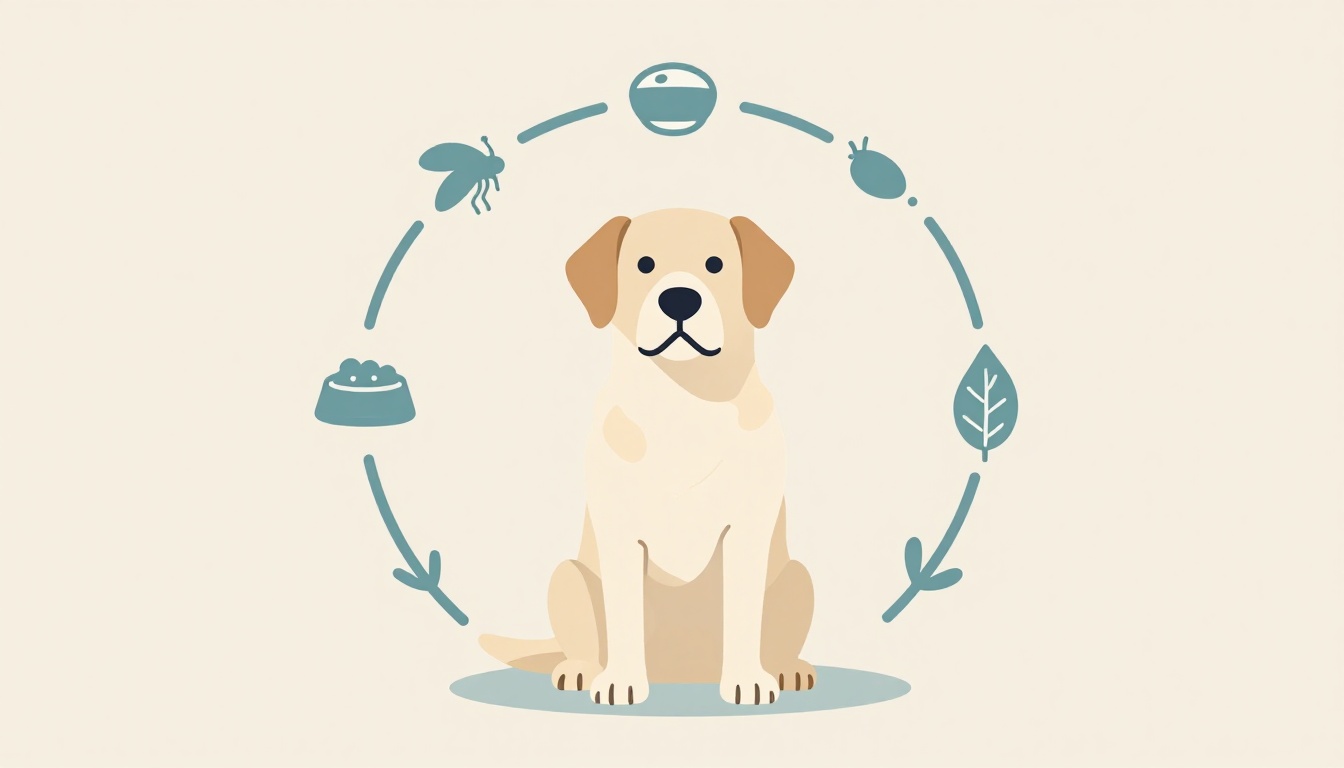
Skin allergies in dogs stem from four main sources. Flea bites top the list at about 50 percent of cases. Environmental factors like pollen follow close. Food proteins and contact irritants round it out.
Breeds play a role too. Labs often face food issues. Bulldogs battle environmental ones more. Allergies flare seasonally, especially in spring pollen spikes.
Think of it like a human mosquito bite that swells huge. One tiny trigger sets off a big reaction. Dogs lack the tools to tell us, so we watch close.
For more on flea reactions, check the American Kennel Club’s flea allergy page.
Flea Allergy Dermatitis: The Sneaky Culprit
Many dogs react to flea saliva, not the bugs themselves. Even one bite sparks intense itch. Hot spots pop up on the back, thighs, and tail base.
You see red, bumpy skin there. Hair falls out in patches. Dogs chew wildly, making sores worse.
Flea dirt gives it away. Those black specks turn red when wet. Check your dog’s coat weekly.
Labs and shepherds show this most. It peaks in warm months. But indoor dogs get it year-round if fleas sneak in.
Environmental Allergies: Pollen, Dust, and More
Pollen, dust mites, and mold trigger these. Called atopic dermatitis, they cause face and paw itching. Symptoms hit seasonally or stay constant.
Spring brings grass pollen woes. Fall dust mites aggravate indoors. Pugs and retrievers suffer often.
Your dog rubs its face on rugs. Paws stay wet from licking. Eyes or nose might run too.
Food Allergies: Hidden in Everyday Meals
Proteins like beef, chicken, or dairy spark these. Ears and feet itch first. Unlike others, food allergies strike any time.
Golden retrievers and spaniels face higher risk. Kibble or treats hide the culprits.
Symptoms mimic fleas but lack bugs. Vets use elimination diets to test. Switch proteins for eight weeks and note changes.
Spotting the Red Flags: Symptoms of Dog Skin Allergies
Itch rules all dog skin allergies. Your pup scratches nonstop. Licking leaves paws bald.
Red, inflamed skin follows. Patches lose hair. Scabs form from bites.
Greasy fur smells bad. Ear infections recur with dark wax. Feet swell or crack.
Mild cases escalate fast. One hot spot turns infected.
Here’s a quick checklist:
| Symptom | What to Look For |
|---|---|
| Scratching | Nonstop on belly, sides, or legs |
| Licking | Raw paws or armpits |
| Red Skin | Bright pink patches, warm to touch |
| Hair Loss | Thin spots, not even |
| Bumps/Scabs | Small red dots or crusts |
| Odor | Yeasty smell from ears or skin |
| Infections | Pus in ears or between toes |
Itch starts before other signs. Use this after baths or walks.
For detailed symptom photos, see PetMD’s dog allergy guide.
Where to Check First on Your Dog’s Body
Start with paws. Constant licking leaves them red and hairy.
Next, armpits and groin. Redness hides there.
Ears flop with wax buildup. Back near tail shows flea signs.
Belly stays exposed for scratches. Part the fur gently.
Ruling Out Other Issues: Allergies vs Infections or Parasites
Allergies itch first. Infections follow from scratching. Mange causes crusty, patterned hair loss.
Ringworm spreads bald circles. Hypothyroidism dulls coat slowly, no itch.
Bacterial hotspots stink but lack flea dirt.
| Symptom | Allergy | Mange | Infection |
|---|---|---|---|
| Itch Level | Severe | Mild | After scratch |
| Hair Loss | Patchy | Zigzag patterns | Hot spots |
| Odor | Yeasty | None | Pus-like |
| Spread | No | Yes | Localized |
Vets do skin scrapes or tapes. Blood tests rule hormones. Don’t guess alone.
Your Action Plan: From Home Checks to Vet Visits
Act quick but safe. First, prevent fleas. Use vet-approved topicals like Frontline monthly.
Bathe weekly with oatmeal shampoo. It soothes without drying.
Track in a journal. Note itch times, foods, walks.
See vet if over a week. They test skin or blood. Trial diets confirm food issues.
Meds like Apoquel cut itch fast. Shots like Cytopoint last weeks.
Urgent signs: open sores, limp, no eating.
- Check for fleas daily.
- Clean bedding hot.
- Journal symptoms.
- Vet in 48 hours if bad.
Safe Home Remedies While Waiting for the Vet
Cool compresses calm hot spots. Use a wet cloth 10 minutes.
Cone collars stop licking. Buy soft ones.
Hypoallergenic wipes clean paws post-walk.
Skip oils or human creams. They worsen things.
For testing options, read VCA’s allergy testing info.
Preventing Skin Allergy Flare-Ups for Good
Flea control year-round stops half the trouble. Vacuum daily, wash bedding.
Switch hypoallergenic food after vet okay. Air purifiers trap pollen indoors.
Bathe biweekly. Choose bedding that repels dust.
Immunotherapy shots desensitize over time. Labs thrive on this.
Bulldogs need paw booties for grass. Most dogs improve with tweaks.
- Flea meds always.
- Wipe paws after outside.
- Annual vet allergy checks.
- Limited-ingredient diets.
Quick Steps to a Happier Dog
Spot common skin allergies in dogs by itch, red skin, and key spots like paws. Fleas, pollen, food drive most cases.
Check now. Journal changes. Vet confirms fast.
Share your dog’s story below. What fixed their itch? Subscribe for more tips.
Early action keeps tails wagging. Your pup thanks you.