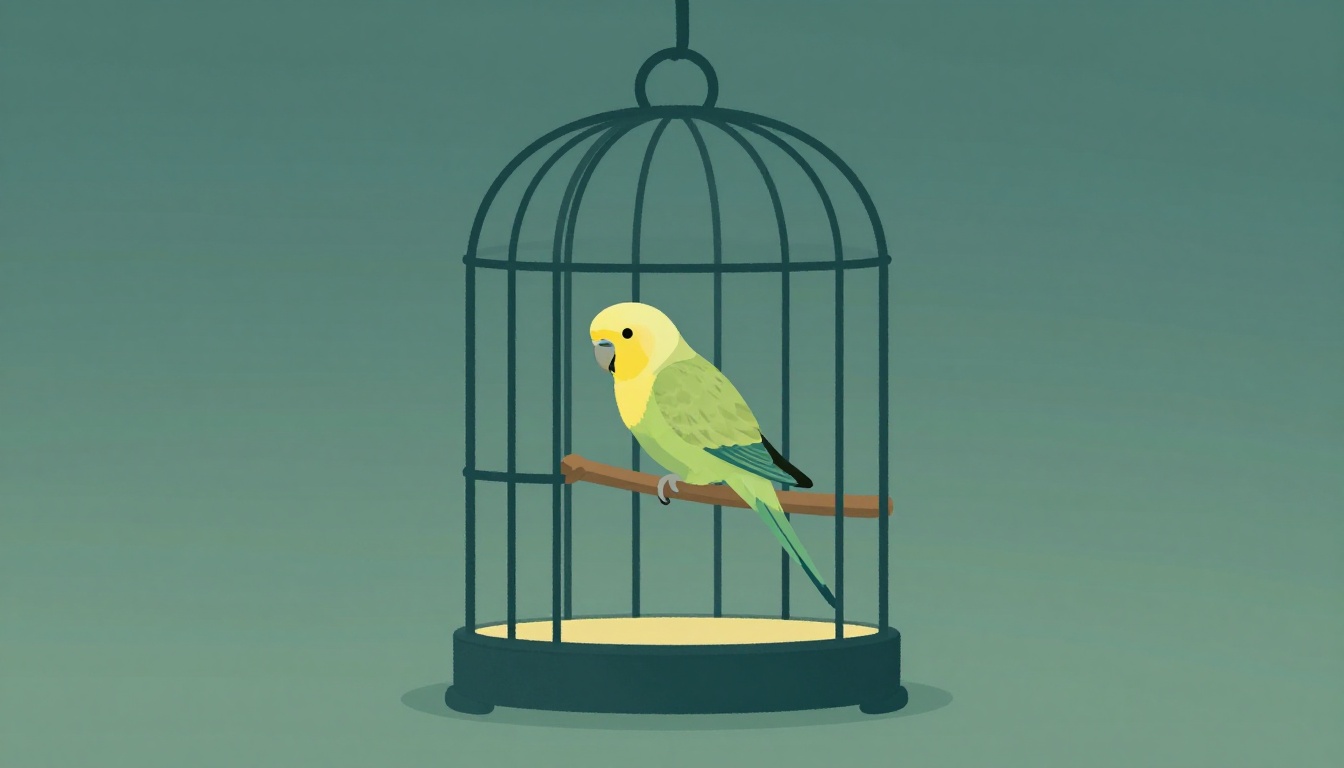
Sarah stared at her parakeet, Buddy, as he paced his cage and nipped at her fingers. She tried new toys and extra treats, but his cranky outbursts continued. One night, she covered his cage earlier for full darkness; by morning, Buddy chirped happily again.
You might see the same in your pet bird. Does it pluck feathers or screech at odd hours? Poor rest often causes these issues because birds need uninterrupted sleep like we do.
Uninterrupted sleep means 10 to 12 hours of quiet, dark rest each night, free from lights, noises, or sudden movements. Pet birds tuck their head into their wings and perch on one foot during this time; any disturbance wakes them fully.
Better sleep leads to stronger health, a brighter mood, and even a longer life for your feathered friend. However, many owners overlook it.
Next, we’ll cover the effects of sleep shortages, needs by species, easy cage setups, and fixes for common mistakes, so you can help your bird rest well.
The Serious Effects of Sleep Deprivation on Pet Birds
Fragmented sleep hits your pet bird hard. It weakens the body and scrambles the mind. The immune system drops right away, so sickness creeps in easier. Hormone levels go off balance, ramping up stress that lasts all day. In addition, birds start feather plucking from frustration, or they pack on extra weight because exhaustion kills appetite control.
Cockatiels show this clearly. TV chatter at night makes calm birds snap and lunge. Owners report bites that draw blood. Vets explain birds need full deep sleep cycles each night. Unlike our quick naps, these cycles rebuild strength fully. Without them, small problems snowball.
Here are the main effects to watch for:
- Weakened immunity leads to constant infections.
- Stress spikes trigger hormone chaos and anxious habits.
- Feather damage or plucking from ongoing irritation.
- Weight shifts like sudden loss or obesity from poor eating.
Spot these signs early. Better rest reverses most damage quickly.
Health Problems That Stem from Interrupted Nights
Poor sleep opens the door to real physical trouble. Your bird faces frequent infections because exhaustion tanks its defenses. Think of it like a tired kid picking up every bug at school. Feathers lose their shine and strength, too. They break easy or fall out in patches.
Weight swings happen next. Some birds slim down fast from no energy to eat. Others gain pounds because stress eating kicks in. Healing slows across the board. A tiny cut takes weeks instead of days.
Avian vets stress this point. Consistent sleep boosts vitamin uptake and daily energy. One owner shared how her lovebird caught colds monthly until she fixed the lights. Now, it stays healthy. Lights off early made all the difference. You can prevent this mess with simple changes.
Mood and Behavior Changes You Might Notice
Sleep shortages change how your bird acts fast. Screaming ramps up because stress hormones flood the system. Biting follows close behind; even gentle parrots snap at fingers. Lethargy sets in, so they sit quiet or hide in corners.
These differ from boredom or illness. Better sleep routines fix them quick. Aggression fades in days. One owner said, “My conure turned mean from late noises. Full dark nights calmed her right down. No more nips.” Another noted, “The budgie stopped screeching after 12 hours rest. He’s playful again.”
Anxiety drives it all. Birds feel on edge without recharge time. Watch for puffed feathers or fast breathing. Adjust sleep first before other fixes. Your bird will thank you with chirps and cuddles.
Sleep Requirements for Your Pet Bird’s Species
Your bird’s breed sets its sleep baseline. Most need 10 to 12 hours, but some crave more. Finches push toward 14 hours, while larger parrots adjust for seasons. Captive birds rely on you to match wild patterns because they lack natural dusk cues. Juveniles often add an extra hour or two since growth demands it. In winter, shorter days signal up to 14 hours for big parrots. Birds can’t recover lost rest like we do; short nights build debt fast. Start a simple journal to track patterns and spot drifts early.
Comparing Sleep Needs Across Popular Breeds
Popular pet birds show clear differences in rest time. Budgies and lovebirds stick close to 10 to 12 hours. Cockatiels and conures bump that to 12 hours steady. Finches demand 12 to 14 hours because their small bodies recharge slower. African greys manage 10 to 12 hours, but they hate even dim light leaks. Larger parrots like macaws stretch to 14 hours in cooler months.
Wild birds sync with sunsets perfectly. Captives face artificial lights, so they sleep less without covers. Age matters too. Young birds grow fast, so they nap more. Seasons shift needs; fall darkness calls for longer nights.
Use this table to check your bird quick:
| Species | Nightly Hours | Key Notes |
|---|---|---|
| Budgies | 10-12 | Steady; sensitive to noise |
| Lovebirds | 10-12 | Pairs sleep side by side |
| Cockatiels | 12 | Crest drops when tired |
| Conures | 12 | Active daytime needs full recharge |
| Finches | 12-14 | Quiet sleepers; cluster together |
| African Greys | 10-12 | Light-sensitive; cover early |
| Large Parrots | 12-14 | More in winter; stress adds need |
Match these to your setup. Journal nightly hours for a week. Adjust covers accordingly, and watch energy soar.
Early Warning Signs of Sleep Shortages
Sleep shortfalls show subtle clues first. Your bird puffs feathers during the day because exhaustion chills it. Yawning stretches the beak wide, often repeated. Clumsy flights mean bumps into cage bars. Play drops off; toys gather dust untouched.
These differ from sickness. Illness lingers despite fixes. Sleep tweaks reverse them in 48 hours. Test it: black out the cage for full nights. Energy rebounds if rest caused it.
Spot issues with this quick checklist:
- Daytime puffing: Feathers fluffed like a bad hair day.
- Frequent yawns: Beak opens wide, eyes half shut.
- Awkward landings: Wings clip perches or walls.
- No interest in toys: Ignores swings or bells cold.
Owners notice fast. One said her finch yawned nonstop until 13 hours kicked in. Another fixed her conure’s flops with darker nights. Act now because early catches prevent the aggression or plucking we covered before. Your bird bounces back quick.
Step-by-Step Guide to Perfect Bird Sleep Setup
You can create a sleep haven for your pet bird right at home. Start with a routine: cover the cage fully at the same bedtime each night, aim for room temps between 65-75°F, and pick a quiet bedroom far from kitchens, other pets, or busy halls. No screens glow near the cage after sunset because blue light tricks their clocks. Budget hacks help too, like DIY covers from thick black fabric and Velcro. These steps build trust and match wild rest patterns. Follow them, and your bird settles faster each night.
Mastering Darkness and Light Control
Birds crave total blackouts. Their eyes pick up tiny light leaks, which mess with melatonin and keep them alert. Zero light lets hormones flow right for deep rest.
Use heavy opaque covers that block every ray. Breathable cotton ones work best; they stop stuffy air buildup. Generic picks from pet stores fit most cages and cost under $20. For fancy setups, add timer lights that fade out slow, like sunset.
Skip windows at night. Street lamps or moon glow disrupts cycles. Hang blankets over cage sides if needed. One owner draped towels first, then upgraded; her cockatiel slept through now.
DIY tip: Sew black-out fabric with elastic edges. It seals tight without clips. Test by shining a phone light inside; no glow means success. Your bird’s eyes thank you with calmer days.
A modern illustration of a pet bird cage fully covered with a thick opaque black cover in a quiet bedroom at night. Soft room light spills nearby, but the cage sits in complete darkness. Clean shapes, warm neutrals with deep shadows, strong composition focusing on the sealed cover. No text.Silencing Nighttime Noises and Disturbances
Noises jolt birds awake fully; they lack our half-sleep state. Place the cage in a low-traffic spot, like a spare bedroom corner. Keep vacuums or loud chores for daytime.
White noise machines mask sounds gentle. Fans or apps with rain play steady hums that drown traffic or footsteps. Set volume low so it soothes, not startles.
Train your family on quiet hours. Post a sign: “Bird rest time, 8 PM-8 AM.” Handle the bird only in emergencies because touch wakes it deep. Kids learn quick with reminders.
Meanwhile, shut doors to block TV rumbles. One parent moved her conure away from the living room; screams stopped overnight. Consistency pays off fast.
Choosing Comfortable Perches and Routines
Comfort seals good sleep. Swap metal perches for natural wood ones sized to your bird’s feet; too big or small strains toes. Vary shapes for foot health, but remove noisy toys at night.
Build a wind-down hour before bed. Dim lights, speak soft, skip play or treats. Tuck toys away so nothing clatters. Your bird learns the signal and perches calm.
Same routine nightly builds trust. Cover at 8 PM sharp, uncover at dawn. Room at 65-75°F prevents chills or sweats. Watch your bird fluff less and chirp brighter.
Here is a quick numbered setup guide:
- Pick quiet spot away from kitchens and pets.
- Install wood perches and stash toys.
- Cover fully with opaque fabric at fixed bedtime.
- Run white noise low; keep temp 65-75°F.
- No screens or handles during rest.
Owners see changes in days. Your bird rests deep now.
To find reliable opaque cage covers for birds, check pet supply sites. For white noise options safe for birds, fans top lists from avian experts.
Avoid These Common Sleep Saboteurs Right Now
You set up the perfect cage, but small habits wreck it all. These everyday slip-ups cut your bird’s rest short. Spot them now, and fix them tonight for calmer days ahead. Do you fall into these traps?
Night Lights That Fool You for Safety
Many owners leave a dim night light on. They think it keeps the bird safe from bumps. However, even faint glows spike alertness and block deep sleep. Birds see ultraviolet rays we miss, so that “soft” bulb acts like high noon.
Move the light far away, or switch to red bulbs if needed. One owner ditched her bedside lamp; her parakeet stopped pacing instantly. Test it: cover the cage, then peek with a flashlight. Any glow means trouble.
Late Chats or Quick Peeks After Bedtime
You pop in for a goodnight whisper or check the water. Sounds sweet, but footsteps and voices jolt your bird awake. It restarts the sleep cycle from scratch each time.
Set a hard rule: no visits after cover time. Post a family note nearby. Meanwhile, prep food and water before bed. A conure mom shared how her late snacks caused nightly screams. Early prep silenced them fast.
Covers Made from Thin or Wrong Fabrics
Cheap sheets or clear plastic let light seep through. They trap heat too, which wakes birds sweaty and mad. Breathable, thick black fabric blocks rays best.
Toss flimsy ones now. Grab cotton or fleece designed for cages. Sew edges if you sew; it seals tight. Your lovebird will perch still instead of fluffing in frustration.
Forgetting Seasonal Day Length Changes
Summer sunsets stretch later, so birds stay up too long without cues. Winter shortens them, yet routines lag. This mismatch builds sleep debt over weeks.
Adjust cover times with the clock. Use apps to track sunsets in your area. Finches need extra in fall; big parrots too. One vet tip: add an hour when days shrink below 12 hours. Energy rebounds quick.
Catch these saboteurs daily. Your bird chirps thanks tomorrow.

Conclusion
Your pet bird thrives on 10-12 hours of uninterrupted sleep each night. Prioritize total darkness, quiet spots, and steady routines because they fix mood swings, feather issues, and weak health fast. Watch for yawns or puffing, then tweak the cage setup right away.
Like Sarah’s Buddy, your feathered friend chirps happier with these changes. Check the cover tonight for light leaks. Track energy shifts weekly in a quick journal.
Share your bird’s sleep story in the comments below. Pass this post to a friend with a sleepy parrot, and subscribe for more easy bird care tips. Better rest strengthens your bond every day.