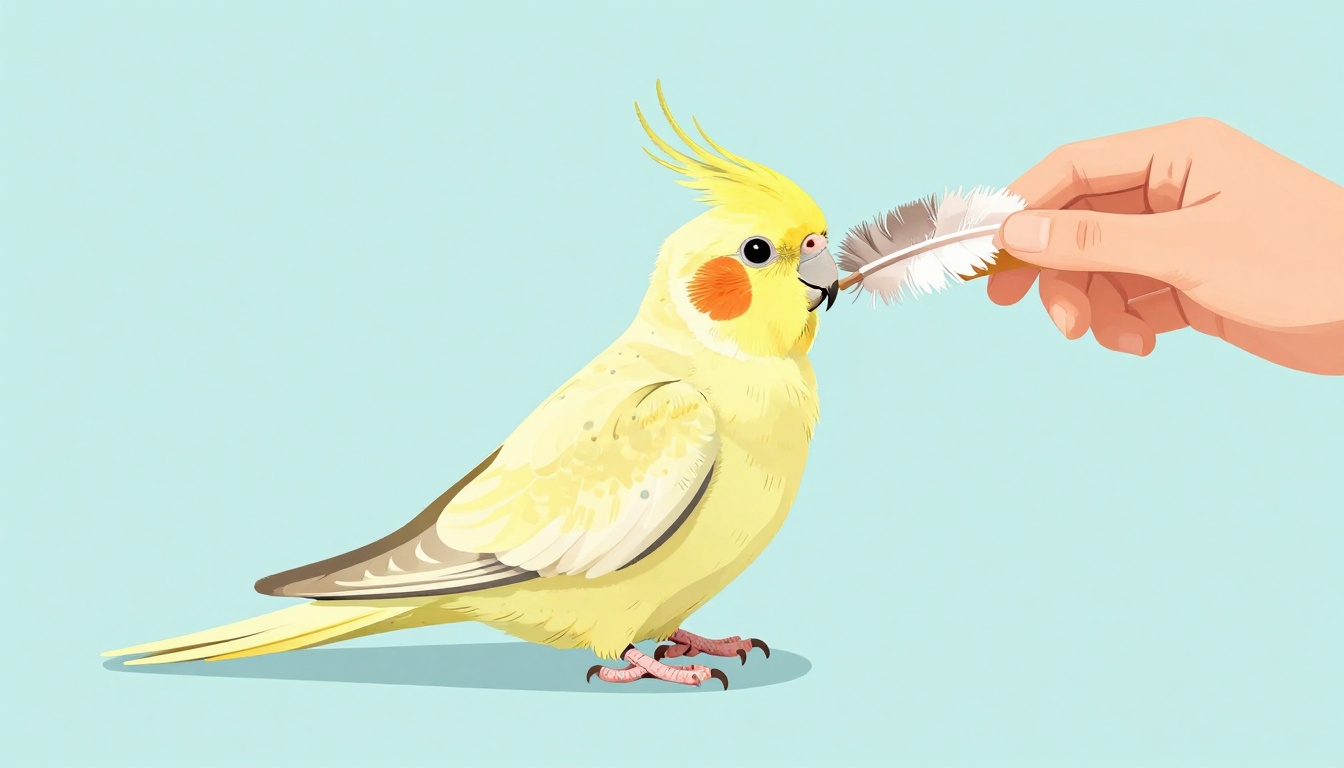
You spot bald patches on your cockatiel’s chest one evening. Panic sets in because you love that little bird, and you wonder what’s causing it.
Feather plucking hits many pet birds like parrots, cockatiels, and budgies. It signals stress, boredom, or health troubles, so don’t ignore it.
This guide walks you through how to stop a pet bird from plucking its own feathers: spot causes, see a vet, tweak your home, and prevent it forever. You’ll find simple fixes that work. Let’s start with the warning signs.
Spot the Early Warning Signs of Feather Plucking
Your bird scratches and preens every day. That’s normal. But feather plucking crosses a line into trouble. It often starts with small bald patches that spread fast if you ignore them. Catch it early, and you save your pet’s skin and feathers. Look close during daily chats with your bird.
Know When It’s More Than Normal Grooming
Birds dust in baths or shake off dirt. They preen to stay neat. Plucking differs because your bird pulls feathers out on purpose. Bare skin appears. It looks raw or pink. Feathers break or fray at the base.
Normal molting sheds feathers evenly over weeks, often in spring or fall. Plucking creates patchy bald spots. Your bird obsesses over one area, like the chest or wings. It happens any time of year.
Here are key red flags to watch:
- Bald spots on the chest, wings, legs, or under tail; skin shows through clearly.
- Broken feathers with frayed ends or blood on quills.
- Excessive preening that lasts minutes, not seconds; your bird seems fixated.
- Skin issues like redness, swelling, scabs, or bleeding pin feathers.
- Targeted plucking in one spot, such as mate-seeking behavior in hormone-fueled cockatiels during breeding season.
Track patterns to spot trends. Note how often it happens. Check the time of day. Mark affected body parts on a simple chart. This helps your vet later.
Do gentle daily checks. Sit near the cage. Offer a treat first. Run your finger lightly over feathers without grabbing. Stressed birds pluck more, so keep it calm.
Video the behavior on your phone. Play it slow for details. Share clips with your avian vet. They spot issues you miss.
Act now because plucking worsens quick. Small spots turn into large bare areas. Infections follow. Early steps stop the cycle and restore your bird’s fluff.

For more on these behaviors, check Merck Veterinary Manual’s guide to feather picking.
Uncover the Root Causes Behind Your Bird’s Plucking
Your bird pulls out feathers because something bothers it deep down. Causes mix together often, like stress sparking skin issues or poor food worsening boredom. Studies show 20 to 30 percent of pet parrots pluck from stress alone, but health problems hide in half the cases. Start with a vet visit. They run tests to sort it out. You can check basics at home first, though. Let’s break down the main triggers.
Health Problems That Trigger Plucking
Pain or itch from illness makes birds attack their own skin. Red mites crawl out at night and bite, leaving tiny red dots on legs or face. Your cockatiel might rub against cage bars nonstop. Scaly face mites thicken skin around the beak and eyes in budgies; it looks crusty and gross.
Infections follow dirty wounds. Bacterial hotspots grow in damp cages. Fungal issues like aspergillosis hit lungs first, then stress the bird to pluck. Allergies flare up from new foods or wood toys; watch for sneezing plus bald chest spots. Vitamin A shortages dry skin because all-seed diets lack it. Liver disease builds up toxins, so birds self-soothe by pulling feathers.
Pain from broken wings or tumors adds to it. Your parrot winces when you touch one side. Causes overlap here. Stress weakens immunity, inviting mites.
Rush to an avian vet. Ask for skin scrapes to spot parasites or blood tests for nutrition gaps. Early fixes heal fast. See Lafeber’s vet guide on feather damaging behavior for more details.

Self-check now: Shine a light on bare spots. Look for bugs or scabs. Note diet changes lately.
Stress and Boredom as Hidden Culprits
Birds crave company and fun. Flock separation anxiety hits hard when you leave for work. Your lone conure screams, then plucks wings to cope. New homes spike stress too. Parrots pace and chew bars for weeks after a move.
Boredom builds in empty cages. No toys mean no action, so they turn to feathers. Cage rage flares from tight spaces; aggressive plucking starts on the breast. Cockatoos suffer most because they bond tight. They need hours of out-time daily, unlike chill budgies.
Loneliness overlaps with health dips. Stressed birds skip food, leading to weak skin. Watch your pet pace or bob its head. That’s a yell for help.
Add variety quick. Rotate toys. Spend face time chatting. Species matter, so match care to your bird’s needs.
Diet and Habitat Mistakes to Avoid
Wrong food starves your bird inside. Seed-only diets skip vitamins, so skin itches and flakes. Switch to pellets with veggies; birds glow after. Low humidity dries air in winter homes. Skin cracks, inviting plucks on legs.
Dirty cages breed bacteria. Droppings pile up, mites thrive, infections spread. Small cages cramp wings, sparking rage-plucks.
Fix it step by step. Mist daily for moisture. Clean weekly with safe soap. Offer fresh greens like kale. Bigger cages let birds stretch.
These tweaks stop cycles fast. But test with your vet first. Poor setup worsens medical woes.
For habitat tips, read Bird Tricks on preventing feather picking.
Get Vet Help and Start Targeted Fixes at Home
Your bird shows bald spots. Act fast. Book an avian vet right away because home guesses often miss hidden issues like mites or infections. General vets skip bird skills, so find one through the Association of Avian Veterinarians directory.
Vets start with a full exam. They check skin under feathers, look for mites or scabs, and feel for pain spots. Common tests include skin scrapes for parasites, fecal exams for gut bugs, and blood work for vitamin lacks or liver trouble. Treatments match findings: antibiotics fight bacteria, mite sprays kill pests, or anti-itch meds calm allergies. Most birds improve in days with the right meds.
Get that vet clearance first. Then roll out home changes. Skip collars or creams; they stress birds more without pro okay. Now focus on fixes that build feathers back.
Switch to a Feather-Friendly Diet Plan
Poor food dries skin and sparks plucks. Shift to a balanced mix: 70% pellets, 20% veggies, 10% fruits or seeds. Pellets pack vitamins; seeds alone cause shortages.
Small birds like budgies or cockatiels thrive on this. Here’s a sample daily menu for a 3-ounce bird:
| Time | Food Item | Amount |
|---|---|---|
| Morning | High-quality pellets (e.g., Harrison’s) | 1-2 tsp |
| Midday | Chopped kale, carrots, broccoli | 1 tsp |
| Afternoon | Pellets plus apple slice or millet spray | 1 tsp total |
| Evening | Dark leafy greens like spinach | ½ tsp |
Transition slow to dodge refusals. Mix 25% new pellets with old food day one. Bump to 50% on day three. Full switch takes two weeks. Soak veggies if your bird ignores them. Fresh water always pairs with meals.
Birds glow after this swap. Feathers grow thick because nutrients soak in right.

Boost Playtime to End Boredom
Bored birds pluck for fun. Add action to stop it. Start with shreddable toys like paper or cardboard; they mimic wild foraging.
Introduce these keepers:
- Puzzle feeders: Hide seeds inside; birds work for bites.
- Swing perches: Let them rock and grip.
- Safe out-of-cage time: 2 hours daily supervised.
Rotate items weekly for fresh spark. Train basics like target training; hold a stick, reward touches with treats. It builds focus and bonds you closer.
Follow this checklist for quick wins:
- Pick 3-4 toys now.
- Place one new item daily.
- Watch play; swap if ignored.
- Praise loud during sessions.
Your bird forgets feathers fast. Joy replaces boredom.
Create a Stress-Free Living Space
Tight cages fuel rage plucks. Size matters by species. Check this chart for minimums:
| Bird Species | Minimum Cage Size (inches) | Bar Spacing |
|---|---|---|
| Budgie | 18x18x18 | ½ inch |
| Cockatiel | 20x20x24 | ¾ inch |
| Conure | 24x24x30 | ¾ inch |
| Medium Parrot | 30x30x36 | 1 inch |
Add natural wood perches in varied sizes; no plastic slips. Install full-spectrum UV lights for 10-12 hours daily; they boost vitamin D. Pick a quiet corner away from drafts, dogs, or kids.
Bond daily: Talk soft, offer head scratches if trusted. Mist feathers 2-3 times weekly for humidity; dry air cracks skin.
These tweaks calm nerves. Feathers stay put because life feels right.
Track Progress and Prevent Plucking from Coming Back
You started fixes like better food and toys. Great job. Now watch if feathers grow back. Tracking helps spot wins early. It also flags issues before they worsen. Prevention locks in results so plucking stays gone.
Set Up a 2-Week Monitoring Journal
Start a simple journal today. Note changes daily for two weeks. This shows patterns your vet loves.
Use a notebook or phone app. Record these details each evening:
| Date | Bald Spot Size (e.g., dime-sized) | Feather Growth (new pins?) | Behavior (playful or stressed?) | Playtime (minutes) | Notes |
|---|---|---|---|---|---|
| Day 1 | Pea-sized on chest | None | Paced a bit | 30 | Ate all pellets |
| Day 7 | Smaller, dime-sized | Pin feathers on edges | Sang twice | 60 | Active with toy |
Check spots gently with good light. Measure with a coin for size. Snap photos weekly for proof. Adjust toys or food based on trends. Your bird thrives when you stay sharp.

Know When to Return to the Vet
No change after two weeks? Go back quick. New bald spots or bleeding mean trouble.
Return if plucking ramps up, your bird loses weight, or poop looks off. Infections hide under skin. Vets recheck with fresh tests. Most birds bounce back fast with tweaks.
Schedule annual avian checkups anyway. They catch shortages before plucks start. For example, one owner saw full regrowth on their cockatiel’s chest after three months of diet swaps and vet meds. Feathers fluffed out thick.
Lock in Prevention for Life
Build habits now. Rotate toys by season to fight boredom. Spring brings breeding urges in cockatiels, so add nests or mates if paired. Mist more in dry winters.
Watch triggers like moves or guests. Clean cages weekly still. Join forums for tips; owners share real stories there. Check Avian Avenue forums on feather regrowth for support.
Stick with this, and your bird stays feathered and happy.
Conclusion
Spot early signs like bald chest patches. Rush to an avian vet first. Then tweak diet, add toys, and track progress. These steps break the plucking cycle for good.
Most birds recover fully because consistent care works wonders. Your cockatiel fluffs up again with time and attention.
Grab a shreddable toy today. Share your bird’s story in the comments. Picture your pet preening happily, feathers full and vibrant.