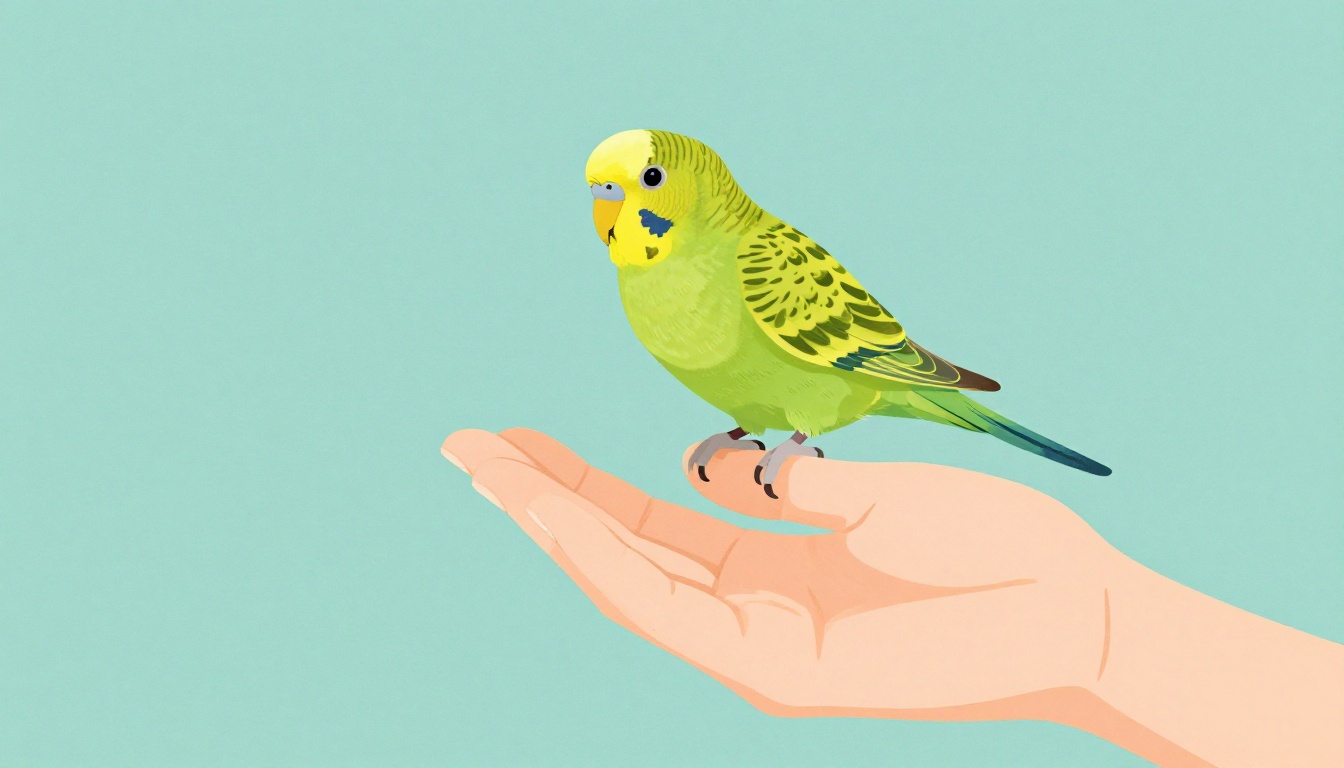
Picture this: You reach into the cage, and your parakeet freezes, wings flared. Frustration builds because handling feels like a battle. Then, after a few patient sessions, that same bird hops right onto your finger with a cheerful chirp. Moments like that turn daily care into pure joy.
The step-up command means your bird calmly steps onto your finger from a perch. You give a verbal cue, and it responds. This skill builds trust fast. It makes vet trips easier and lets you bond during playtime. Plus, it prevents mishaps like falls during cleaning.
Bird owners love it because stressed birds bite less and act calmer. You’ll enjoy stronger connections and fewer worries. This post shows you why it matters. It covers prep work, a simple step-by-step guide, fixes for hiccups, and next moves. Ready to get your feathered friend stepping up? Let’s start with the big wins.
Why Step-Up Training Creates a Happier Bird and Owner
Step-up training boosts trust right away. Your bird learns you mean safety, not threat. That shift cuts down on fear-based behaviors like screaming or fleeing. In turn, you feel confident handling your pet.
Daily tasks get simple. Feeding, cage cleaning, or baths happen without drama. No more chasing a panicked bird around the room. Everyone wins because routines stay smooth.
It keeps your bird’s mind sharp too. Bored pets pluck feathers or chew bars. Training adds fun challenges. As a result, they stay healthy and happy. Repetition strengthens neural pathways in their small brains. Science shows this works, much like it does for dogs.
Most pet birds pick it up quick. Budgies master it in days. Cockatiels need a week or so. Conures and lovebirds thrive with praise. Even larger parrots respond well. Positive reinforcement shines here. You reward good steps, so the bird chooses to cooperate. Force backfires and erodes trust.
Owners report less stress overall. One study from avian vets notes trained birds visit clinics calmer. Check Lafeber’s guide on bird bonding benefits for more proof. Training turns pets into partners. Your bird gains confidence. You gain peace. That’s the real payoff.
Prepare Everything for Smooth Step-Up Lessons
Success starts with the right setup. Gather tools that motivate your bird. Pick a quiet spot free of chaos. Time sessions when your pet feels best. These steps make lessons fly by.
Birds learn best hungry but not starved. Short bursts keep focus high. Watch for relaxed signs like smooth feathers. Then dive in.

High-value treats, perch, and clicker ready for a session.
Gather Treats, Perches, and Training Tools
Stock up on favorites first. Budgies go wild for millet spray. Cockatiels prefer hulled sunflower seeds. Conures love small nuts like almonds. Parrots need walnut pieces. Keep treats tiny for quick rewards.
Use a stable T-stand or dowel perch. Practice your finger position on it. Hold steady at chest height. A clicker marks perfect moments. Or use a whistle for variety. Fresh supplies keep excitement alive. Stale treats flop.
Trim wings if your bird flies off often. Do this at a groomer first time. Safety comes before speed.
Create the Perfect Distraction-Free Training Space
Choose a dim, quiet room. Close blinds to block outside views. Turn off TV and fans. No barking dogs nearby.
Place the cage close for easy breaks. Set perch at eye level. Good light helps you read body language. Aim for 75 to 80 degrees Fahrenheit. Too cold slows learning. Too hot causes pants.
Remove competing toys. Your finger becomes the star. This setup cuts flight risk by half.
Spot the Best Times Based on Your Bird’s Mood
Read feathers for clues. Puffed up means content; go ahead. Pinned eyes or fluffed back signals stress; pause.
Train mornings for day birds like budgies. Evenings suit cockatiels. Skip right after big meals. Hunger drives effort, but fullness brings naps.
Do 5 to 10 minutes, twice daily. Stop on a high note. Consistency builds habits fast. Adjust as you learn your bird’s rhythm.
Follow This Easy Guide to Get Your Bird Stepping Up
Now comes the fun part. Use positive reinforcement every time. Say “step up” clearly. Reward lifts instantly. Patience pays off in one to two weeks. Track wins daily.
Start slow. Build to perfection. Most birds hit milestones by day three.
Lure with Treats to Build Excitement and Trust
Hold a treat near the beak. Let your bird stretch for it. Move slow to avoid scares. Repeat until it leans in happy.
Do this two minutes per session. Trust grows because good things follow you. No pressure yet. Just positive vibes.
Present Your Finger and Say ‘Step Up’ Clearly
Slide your finger two inches from the chest. Like a new perch. Say “step up” in a firm, upbeat tone. Same words every time.
Add gentle forward pressure if needed. Hesitant? Lure longer. Birds mimic perches naturally.

Calm finger cue during early training phase.
Reward Right Away to Seal the Behavior
Watch for foot lift. Click or say “good” the instant it happens. Follow with treat. Partial tries count too.
This bridges action to payoff. Over days, fade the lure. Voice cue takes over. Rewards drop to every third success.
Teach ‘Step Down’ for Safe Two-Way Control
Point to perch or cage. Say “step down.” Reward the hop off. Practice both commands equally.
Clingy birds learn balance. Confidence soars. No more stuck fingers.
Short Daily Repeats Turn It into Habit
Log sessions in a notebook. Note steps taken. Add mild distractions by week two.
Celebrate with photos. Share progress online. Habit forms through reps. For details on routines, see RSPCA’s positive bird training tips.
Quick Fixes for Step-Up Training Roadblocks
Birds hit snags. Bites happen. Shyness stalls. Progress dips. Don’t fret; fixes exist. Most owners solve these quick.
Spot issues early. Adjust on the fly. Momentum returns fast.
Stop Nipping or Biting During Approach
Back away calm. Increase lure distance. Rebuild slow.
Check beak for soreness. Vet rules out pain. Use a glove short-term. Trust rebuilds without force.
Help Shy or Fearful Birds Warm Up Slowly
Sit nearby without touch. Offer treats from hand. Add a mirror toy for company.
More rewards, slower pace. Vet check for health woes. Patience doubles here. See AVMA’s advice on fearful pet birds.
Revive Stalled Progress with Fresh Motivation
Swap treats. Shift times. Film sessions; spot your errors.
Take a rest day. Forums like Reddit’s r/parrots share wins. Fresh energy restarts flow.
Consistency trumps perfection. Tweak till it clicks.

Self-review helps spot and fix training stalls.
Training prep sets up easy steps. Fixes keep you going. Your bird steps up smoother each day.
Start a session today. Bond grows tomorrow. Try wave or turn-around next. Share your story in comments. Subscribe for more tips. Pin this for reference.
How long until my bird learns? Most grasp basics in a week. Shy ones take two. Practice daily.
Your feathered pal waits to step into fun adventures!