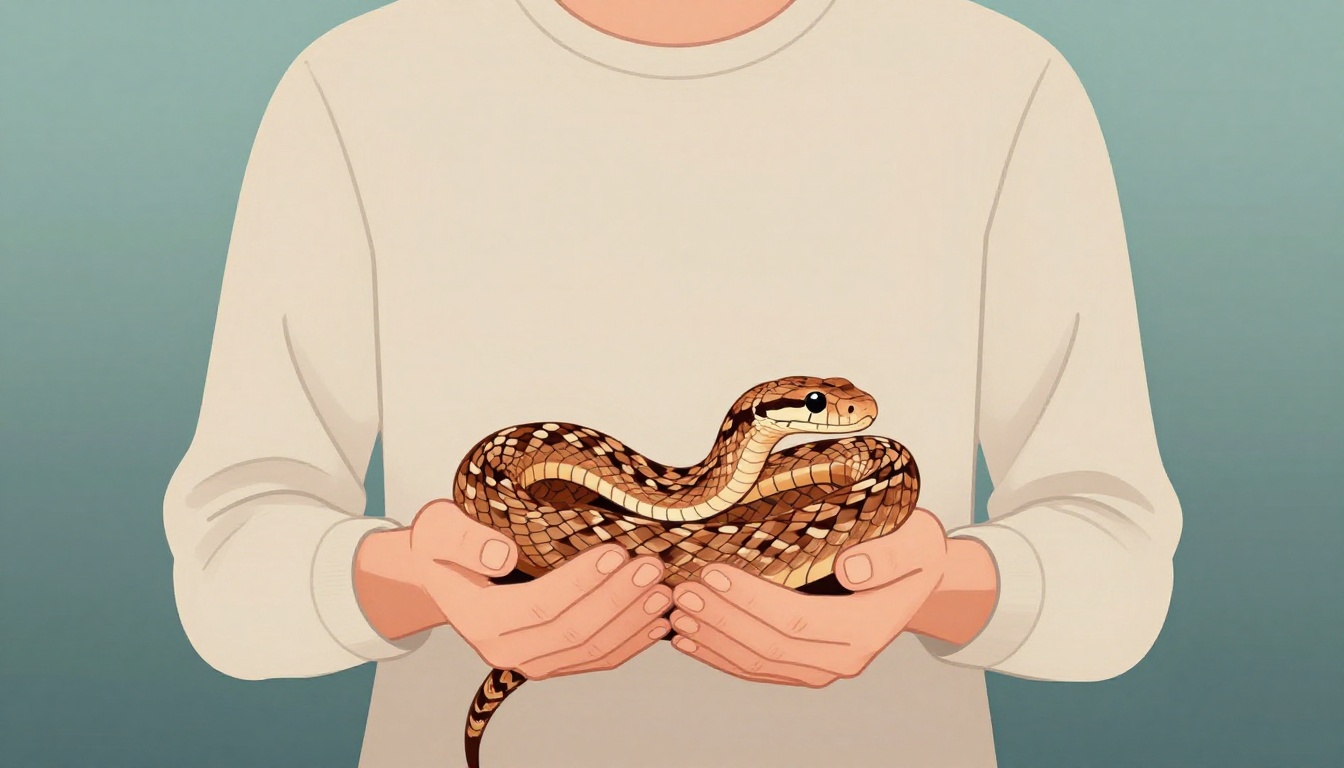
Picture this: You’re a new snake owner, thrilled with your first pet. You reach in and grab it by the middle to show a friend. Suddenly, it coils tight, hisses, and tries to escape. That quick move stressed your snake more than you realized.
Many beginners make the same slip-ups. They grab the tail, handle too soon after feeding, or forget to wash hands first. These errors can lead to bites, escapes, or health issues down the line. Worse, constant stress weakens their immune system and shortens their life.
That’s why learning how to safely handle a pet snake to minimize stress matters so much. Proper techniques keep your snake healthy, build trust between you two, and make handling sessions calm for everyone. You’ll avoid those scary moments and enjoy your pet more.
In this guide, we cover pet snake handling tips to reduce snake stress, from spotting signs of discomfort to smart prep steps. First, understand what stresses your snake. Then, get ready with the right setup. Next, master picking it up gently, followed by secure holding methods. We’ll also review stress signals to watch for and simple aftercare routines.
Ready to make handling stress-free? Let’s dive into understanding snake stress first.
Why Understanding Your Snake’s Stress Helps You Both
Your snake can’t tell you when it’s upset. So you need to spot the clues yourself. Snake stress signs like rapid breathing, tongue flicking, or hiding show discomfort right away. Sudden movements startle them because snakes rely on calm to feel safe. Improper support leaves their body dangling, much like picking up a scared cat by the scruff; it panics them. Loud noises add to the chaos too.
Chronic stress harms your pet. It leads to poor shedding where skin sticks and infections set in. Appetite drops, so they skip meals and lose weight. Illness hits harder because their immune system weakens. In short, repeated stress shortens their life.
Low-stress handling changes that. You build a stronger bond as your snake learns to trust you. They live longer and stay healthier overall. Snakes feel secure when you fully support their body, letting muscles relax. Think of it as a gentle hammock ride instead of a bumpy rollercoaster.
Knowing these basics helps you avoid mistakes. Now let’s look at common triggers during handling.
Common Stress Triggers to Avoid During Handling
Certain habits spike stress fast. Spot them early and fix with simple changes. Here are the top ones to watch:
- Cold hands: Your chilly fingers feel like a predator’s touch to them. Snakes prefer warm body temps around 80-90°F. Quick fix: Rub your hands together or hold a warm cloth for a minute before reaching in.
- Tight grips: Squeezing their body triggers escape mode since it mimics being crushed. They need gentle support, not a vise. Quick fix: Use a loose, two-handed hold that lets them move slightly.
- Chasing in the enclosure: Lunging after them builds fear because it feels like hunting. Patient waiting works better. Quick fix: Lure with a treat stick or wait until they approach calmly.
- Handling right after feeding: Their belly feels vulnerable during digestion, so they hide to avoid risks. Wait 48 hours minimum. Quick fix: Schedule sessions two days post-meal for relaxed vibes.
- Sudden movements or loud noises: Jerky actions or bangs jolt their senses since they can’t hear well but feel vibrations. Stay slow and quiet. Quick fix: Move deliberately and keep the room hushed.
Skip these, and your snake stays chill. For more on reptile care, check Reptiles Magazine’s guide to snake stress.

Preventing these keeps sessions smooth and fun for both of you.
Get Ready: Prepare Yourself and the Space for Calm Handling
You just learned the stress triggers to dodge. Now focus on prep work. Prepare to handle your pet snake safely with these steps. This routine builds trust fast because your snake senses the calm vibe right away. In addition, it prevents mishaps so sessions stay short and positive. Let’s break it down.
Pick the Perfect Time and Spot for Handling Sessions
Timing matters a lot. Go for your snake’s active periods, like evenings when it moves around after settling in. Avoid right after meals since digestion makes them sluggish and touchy. Also skip sheds; cloudy eyes signal “leave me alone.” These choices match their natural rhythm, so they feel secure instead of threatened.
Pick spots that boost safety too. A flat surface works best, such as a kitchen table or counter. Keep away from drafts, open windows, or busy areas. Why? Snakes like stable warmth that echoes secure hiding spots in the wild.
Here are quick examples:
- Evening bask: After lights dim, when your ball python explores its enclosure edge.
- Post-feed wait: Two days later on a quiet weekend morning, before peak activity.
- Warm afternoon: If it’s a diurnal species, during mild room temps around 80°F.
Test one spot first. Your snake will glide out smoother next time.
Essential Prep Steps for You and Your Snake’s Home
Prep takes just minutes but pays off big. Your snake stays relaxed from the start because you signal safety. Meanwhile, you avoid slips like cold shocks or escapes. Follow this step-by-step list every time:
- Wash your hands thoroughly. Remove scents from food, lotion, or other pets. Snakes taste the air, so foreign smells spook them.
- Warm your hands. Run them under lukewarm water for 30 seconds, then rub together. Cold fingers mimic danger; warm ones feel like safe warmth.
- Dress right. Wear long sleeves and ditch jewelry. Loose fabric prevents scratches, while rings snag delicate scales.
- Quiet the room. Dim lights, turn off fans or music. Soft talking reassures them you’re not a threat.
- Secure the space. Close doors and windows. Block escape routes under furniture. Use a secure table with towels for grip.
- Ready the enclosure. Ensure front-opening doors for easy access. Place a supportive towel nearby to drape over its body later.
- Signal approach. Tap the enclosure gently or speak softly. Let it come forward before lifting.
These habits cut stress in half. For instance, one owner noted their corn snake stopped hiding after consistent warm-hand preps. Besides, repeat them to make handling routine.

Check PetMD’s tips on reptile handling prep for species-specific tweaks.
Step by Step: Pick Up Your Snake Without Scaring It
You’ve prepped the space and yourself. Now comes the key part: how to pick up your pet snake safely without triggering fear. This process builds trust over time because snakes learn to associate your hands with safety. Rush it, and they might coil or strike. Go slow, support fully, and watch their cues. Small snakes need extra care to avoid injury, while larger ones require both arms for balance. Follow these steps every time, and sessions stay calm.
Approach and Initial Contact Made Easy
Start right to set a relaxed tone. Your snake needs time to notice you first. Sudden grabs mimic predators, so patience pays off.
Approach with calm movements. Get down to eye level so you don’t loom over them. This makes you seem less threatening, like a fellow explorer instead of a giant shadow.
Offer your hand palm up near their head. Slide it slowly into the enclosure without chasing. Let them flick their tongue toward it; that’s their “okay” signal because they taste the air for safety.
Wait 10-20 seconds if needed. They might explore your fingers first. This builds trust fast. For small snakes under 2 feet, use one finger as a perch. Larger ones get your full palm.
Common mistake: lunging for the head. It panics them since heads control direction. Instead, let them come to you.
Here’s the simple sequence:
- Tap the enclosure side softly to alert them.
- Slide hand in palm up, fingers together.
- Hold still until tongue flicks show interest.
- Let them drape over your hand if ready.
Do this consistently. Your snake will glide onto you next time.
Lifting Techniques That Keep Your Snake Secure
Once they accept your hand, lift smoothly. Full body support prevents panic because unsupported sections feel like falling. Never dangle the tail; it stresses muscles and risks injury.
Place one hand under the mid-belly for stability. Use the other under the tail base. Scoop upward together in one fluid motion. Keep their body horizontal at first.
For small snakes, cradle like a loose coil in one hand. Their light weight slips easy, so cup gently. Larger snakes, like retics over 6 feet, need both arms in a looped hold. Let the tail wrap your forearm while belly rests on the other.
Avoid these errors:
- Grabbing the neck; it chokes breathing.
- Lifting by tail only; they thrash wildly.
- Sudden jerks; vibrations jolt them.
Try this numbered lift:
- Slide first hand under belly midpoint.
- Position second hand under tail.
- Lift evenly, keeping body straight.
- Transition to coil hold if they wrap around you.

Full support lets them relax fully. See PetMD’s video demo on safe snake lifts for a visual guide. Practice once a week. Your snake stays chill, and you gain confidence quick.
Smart Ways to Hold and Play with Your Snake Stress-Free
Your snake rests in your hands after that smooth lift. Great job so far. Now shift to holding positions that minimize stress during playtime. These let your pet relax completely because they feel supported and safe. You create positive moments too. Sessions build trust fast. Keep them short, around 10 to 15 minutes max, so neither of you tires out. Tailor holds to species quirks, like active corn snakes versus cozy ball pythons. Always avoid tight squeezes or forced moves. Instead, let them guide the pace.
Comfy Holding Positions for Different Snake Sizes
Size dictates the best hold. Pick one that matches your snake’s length and build. Each offers clear perks for calm vibes.
Small snakes, under three feet like young corn snakes or kingsnakes, love cupped hands. Form a gentle basket with both palms facing up. Fingers curve loosely to cradle the body. In addition, tuck the tail between your thumbs. This position shines because your body heat warms them right away. They feel secure with no dangle risk. Slipping stays low too. Ball python babies settle quick here since it mimics a tight hide.
Larger snakes, over four feet such as retics or big pythons, need looped arms. Drape the mid-body over one forearm like a scarf. Support the head and tail with your other arm. Let coils form naturally around your elbow. Pros include even weight spread, so muscles don’t strain. It feels like a sturdy branch to them. Circulation flows free because nothing constricts. Your ball python might coil tighter for comfort, while a corn snake drapes loose.
Try extras for fun. Drape medium corn snakes over your shoulders for height they crave. Cradle small ones in crossed arms like a baby for extra coziness. These boost confidence because your snake links you to safety.

Benefits stack up. Regular use creates positive ties, so they seek your touch next time. Stress drops as they relax fully.
Stroke gently along the back during holds. Let them explore your arms or a towel-draped table. Watch cues like slow tongue flicks for “all good.”
Here are quick tips to nail it:
- Match hold to size first; test gently.
- Warm arms by rubbing beforehand.
- Let coils happen; don’t unwind them.
- Switch positions midway for variety.
- End on a high note, like a soft stroke.
For species tweaks, see Reptiles Magazine’s holding guide. Your snake stays chill, and you both enjoy the time.
Spot Stress Early and Know When to Put Your Snake Down
You handled your snake with care so far. Still, pet snake stress signals pop up sometimes. Spot them quick because they tell you to stop right away. Your pet relies on you to read these cues, just like a good parent watches a child’s frown. Early action prevents bites or health dips. In addition, it strengthens your bond over time. Watch body language close during holds. Then act fast to return them safe.
Key Body Language Signs Your Snake Wants to Stop
Snakes speak through moves, not words. Puffed body means they inflate to look bigger, like a scared cat arches its back. Avoidance shows when they twist away or flatten against you. Hissing comes next, a sharp warning sound. Striking follows if you ignore it; they lunge with open mouth. Fast tongue flicks signal alert mode, faster than the slow relaxed ones. Hiding attempts make them burrow into your sleeve or coil tight. Thrashing whips their body side to side.
Species differ a bit. Ball pythons ball up tight under stress, tucking head inside. Corn snakes thrash more wildly because they climb often. Rat snakes puff and strike quick to mimic venomous ones.
Spot patterns with this quick guide:
| Behavior | Stress Sign | Normal/Relaxed Behavior |
|---|---|---|
| Tongue flicking | Rapid, constant flicks | Slow, occasional tastes of air |
| Body posture | Puffed up, rigid, or thrashing | Loose coils, draped smooth |
| Head movement | Sudden strikes or hiding | Calm gliding or resting |
| Sounds | Hissing or rattling tail | Silent or soft rasps during shed |
Use this table next session. You’ll read your pet like a book.

Quick Fixes to Calm a Stressed Snake Right Away
Stress hits? Stop everything first. Return them to the enclosure slow and steady. Slide your hands under belly and tail, then lower gently. No drops or rushes because that amps fear.
Next, cover the enclosure with a light towel. It dims light and muffles noise, so they hide safe. Mist warm water inside for humidity boost; it soothes dry stress skin. Dim room lights too. Turn off handling for at least a day.
Follow up smart. Observe patterns over weeks. Note if cold hands trigger puffs or post-feed grabs cause strikes. Adjust next time. For example, one owner skipped evenings after spotting thrash trends, and their snake chilled fast.
These steps work because they mimic wild safety spots. Your pet recovers quick. Check PetMD’s reptile stress relief tips for more tweaks. You got this; trust your eyes and act.
Aftercare Tips to Help Your Snake Bounce Back Fast
You just returned your snake to its enclosure after a calm session. Great work. Now switch to aftercare tips for pet snakes so it bounces back quick. These steps restore calm fast because they mimic safe wild spots. In addition, they build trust for next time. Skip them, and stress lingers, hurting appetite or health. Let’s cover the essentials.
Start with Quiet Recovery Time Right Away
Give your snake peace first. Close the enclosure door softly, then cover it halfway with a light towel. This dims light and cuts noise, so it hides without worry. Leave the room for 30 minutes at least. Why? Vibrations from your steps feel like threats still. Ball pythons ball up here, while corn snakes settle fast.
Meanwhile, keep lights low. No cleaning or feeding yet. Your pet processes the handle in quiet, so stress fades quicker.
Double-Check Enclosure Conditions for Comfort
Next, verify basics without disturbing it. Use a thermometer to confirm temps hit 80-90°F in the warm spot. Check hygrometer for proper humidity, like 50-60% for most species. Low levels dry them out after stress.
Refresh the water bowl with fresh, lukewarm water. Add a moist hide if needed; it soothes skin. Adjust heat mats if temps dip. These tweaks prevent issues because stable setups signal safety.
For details, see Reptiles Magazine’s post-handling care advice.

Monitor Appetite and Behavior Over the Next Days
Watch close for recovery. Offer food on schedule, but don’t force it. Stress skips meals, so a missed one means wait a week. Note if it drinks or explores normally. Loose coils and slow tongue flicks show all’s good.
Track patterns in a simple log. Healthy eating returns in 24-48 hours usually. If not, consult a vet.
In short, repeat these routines. Your snake links handling to quick comfort, so trust grows. Recap: warm hands, full support, short sessions, and now solid aftercare keep stress low always.
Conclusion
You now know the steps to safely handle your pet snake. Prep with warm hands and a quiet space. Pick it up gently with full body support. Watch for stress signs like thrashing or hissing. Finish with solid aftercare to help it recover fast.
Practice these routines with patience. Your snake learns to trust you over time because calm sessions build that bond. In addition, you avoid the early mistakes that stress everyone out.
Share your handling stories in the comments below. Subscribe for more pet tips to keep your snake thriving.
A happy snake means a happy owner. Master how to safely handle a pet snake to minimize stress, and enjoy the calm connection.