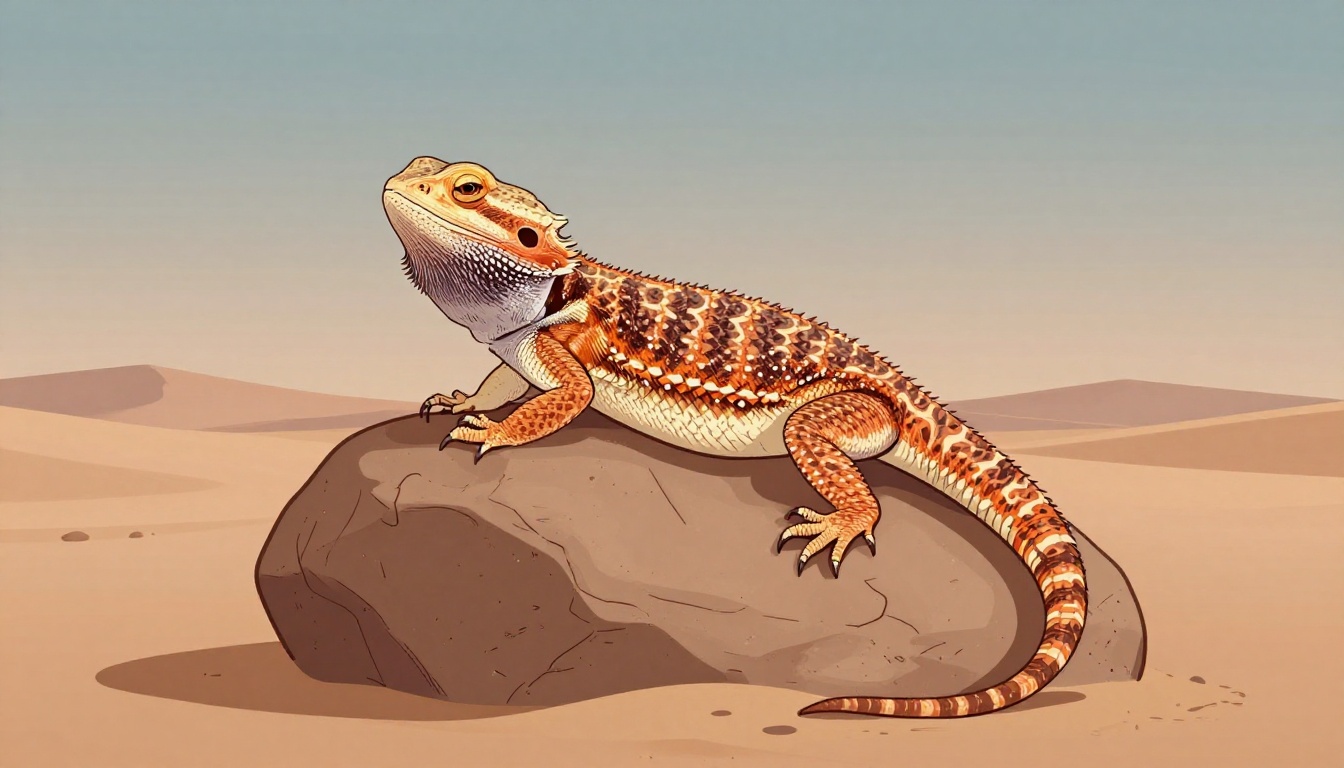
Picture your energetic bearded dragon, the one that chases crickets all day, suddenly glued to its basking spot. It skips meals, sleeps more, and acts sluggish. Don’t worry; this could be brumation, a reptile’s version of hibernation during cooler months.
Brumation lets bearded dragons rest and conserve energy when days shorten and temps drop. It happens most often in dragons over one year old, especially from fall to spring. You’ll notice it mimics winter slowdown in the wild, but in captivity, it still kicks in.
Understanding brumation keeps new owners calm and helps you support your pet right. Panic leads to wrong fixes, like force-feeding, which harms more than helps. Instead, you’ll spot it early and provide proper care.
In this post, we’ll break down the key signs, prep steps before it starts, and daily care to get through it safely. First, let’s look at those telltale signs so you know exactly when it’s beginning.
What Brumation Means for Bearded Dragons
Brumation acts like a long nap for your bearded dragon. It slows their activity, eating, and metabolism during cooler, shorter days. This natural process helps them save energy when food gets scarce, just like winter in the wild.
Bearded dragons enter brumation because shorter daylight and lower temperatures signal rest time. Most dragons over one year old do this, although genetics play a role too. Younger ones usually skip it since they grow fast and need constant fuel.
In the wild, beardies burrow or hide as days cool. They match nature’s cycle perfectly. Captive dragons still feel these cues if you adjust lights and heat to mimic seasons. For example, gradually drop basking temps from 100°F to 75°F and cut light hours to 10 per day.
This slowdown stays healthy when you support it right. Your dragon resets its body, fights off minor issues, and emerges stronger in spring. Force them awake with extra heat or food, and stress builds up instead. So, brumation strengthens their system if you let nature guide you.
Owners often mimic wild patterns successfully. Reduce feeds before it starts, then offer water often. Many report dragons perk up refreshed after two to three months. However, watch for illness signs like weight loss beyond normal.
{ “sectionTitle”: “What Brumation Means for Bearded Dragons”, “imageIntent”: “Illustrate a bearded dragon in a cozy burrow during brumation, showing slowed activity in a natural winter-like setting”, “prompt”: “Modern illustration of a bearded dragon curled in a sandy burrow under dim light, relaxed pose with closed eyes, cooler tones, clean shapes, controlled earthy palette, strong composition, no text” }Key Differences from Hibernation
People mix up brumation with hibernation often. Hibernation means mammals like bears sleep deeply through winter. Their body temp drops near freezing, heart rate nearly stops, and they wake only in spring. Bearded dragons do something similar yet different because they stay cold-blooded.
Reptiles count as poikilotherms. They match their body temp to surroundings. Mammals, or homeotherms, keep steady internal heat. So, your beardie slows down without full shutdown.
Here are the main differences:
- Activity level: Brumation skips deep sleep. Dragons wake to drink or bask briefly. Hibernating animals stay out cold.
- Temperature drop: Beardies handle 65-75°F drops, never freezing. Mammals hit near 32°F or lower.
- Heart and breathing: Rates slow a lot but keep going. Hibernation almost stops them to save max energy.
- Eating habits: Beardies might nibble water-soaked veggies. True hibernators eat nothing for months.
- Duration and triggers: Brumation lasts weeks to months, tied to light cycles. Hibernation locks in for fixed seasons.
These traits fit reptiles’ cold-blooded life. Your dragon conserves energy smartly without full risk. In short, brumation keeps them safe and flexible.
For more on reptile physiology, check Reptiles Magazine’s brumation guide.

Spotting the First Signs of Brumation
Your bearded dragon might act off one day, but brumation often builds over a few weeks. Shorter days and cooler temps trigger it slowly. Not every beardie brumates each year; some skip it entirely because of age, health, or setup. Look for a cluster of signs together. A single odd day could mean stress or illness instead. Start a simple journal now. Note daily eats, activity, and hides. This helps you spot patterns fast.
One owner shared her story online. Her two-year-old Spike ignored crickets for days, hid nonstop, and quit glass dancing. She worried at first. Then weight stayed steady, so she eased into brumation mode. Spike woke up perky in spring. Stories like hers show calm pays off.
{ “sectionTitle”: “Spotting the First Signs of Brumation”, “imageIntent”: “Show a bearded dragon displaying early brumation behaviors like hiding and reduced activity in its enclosure”, “prompt”: “Modern illustration of a bearded dragon tucked into a hide box in a terrarium, dim lighting with cooler tones, relaxed posture ignoring food nearby, clean shapes, controlled earthy palette, strong composition, no text” }Behavioral Clues Your Dragon Is Slowing Down
Behaviors shift first because your dragon senses change. It ignores food, even favorite treats like dubia roaches. Days pass in the hide box. No more frantic glass surfing against the tank walls. Basking sessions shorten too.
Head bobbing drops off completely. Stress marks fade since nothing excites it. You see more burrowing under substrate. Colors pale a bit sometimes. Activity winds down overall; no chasing bugs or exploring.
These clues cluster during fall. For example, your beardie sleeps through most of the day. It wakes briefly for water, then hides again. However, if one sign lingers alone, check for parasites or poor heat. In short, watch the full picture.
Owners track these in journals to stay sure. One tip: offer soaked greens daily anyway. Most dragons sip water but skip solids.
Physical Changes to Check For
Now shift to the body. Weight holds steady with no gain, even on offers. Gently weigh weekly on a kitchen scale. However, sudden loss flags trouble; call a vet then.
Eyes close more often, even under lights. Skin feels cooler to the touch if you lower basking spots to 75°F. Breathing slows but stays regular. No swelling or discharge appears in healthy cases.
These match the slowdown inside. Metabolism drops, so no frantic growth. Still, stable weight reassures you. Adjust enclosure gradually: cut lights to 10 hours. As a result, your dragon settles in.
For reliable vet advice on checks, see this guide from the Association of Reptilian and Amphibian Veterinarians.
How to Safely Prepare Your Bearded Dragon for Brumation
Prep work makes brumation smooth and safe for your bearded dragon. Skip it, and small issues turn big. Start early, around late summer or early fall. First, book a vet visit. Then adjust your setup bit by bit. Your dragon needs good health and the right cues to rest well.
A plump body condition sets the foundation. Feel along the sides; ribs should not show. Tail base stays full. Healthy dragons handle slowdown best. Thin ones risk trouble, so build fat reserves first with high-protein feeds.
{ “sectionTitle”: “How to Safely Prepare Your Bearded Dragon for Brumation”, “imageIntent”: “Depict a bearded dragon owner carefully adjusting terrarium lights and heat for brumation prep, with enclosure showing gradual changes”, “prompt”: “Modern illustration of a person tweaking a bearded dragon terrarium, lowering lights and heat lamp, dragon watching from hide, cooler tones, clean shapes, controlled earthy palette, strong composition, no text” }Book a Vet Check-Up Before Anything Else
Call your reptile vet right away. Parasites or hidden sickness mimic brumation signs. A fecal test rules out worms. Blood work checks liver and kidneys too. Vets spot issues you miss.
For example, one owner ignored the check. Her dragon lost weight fast during rest. Turns out, coccidia caused it. Early vet trips prevent that. Go every six months anyway, but time this one for prep season.
Ask about body score too. Vets grade from 1 to 5; aim for 4, nice and round. Fix low scores with vet diets first. In short, clear health green-lights brumation.
See ReptiFiles’ vet prep guide for brumation for more tips.
Adjust Lights, Heat, and Feeding Gradually
Change your enclosure slow over two to four weeks. Sudden drops stress your dragon. Start by cutting light hours from 12-14 to 10-12 daily. Use timers for consistency.
Next, lower daytime basking to 80-85°F, then ease to 75-80°F. Night temps drop to 65-70°F. Cool sides stay at 75°F. This mimics fall perfectly.
Offer food less often, but dust with calcium if they eat. Soaked greens hydrate too. Most dragons taper off naturally. However, force nothing. Water stays key; mist hides or use drippers.
Owners succeed by logging changes daily. Track temps with probes. As a result, your beardie settles without shock.
Your Step-by-Step Prep Checklist
Follow these steps in order for best results. Check off each one weekly.
- Vet exam complete: Fecal, blood, and body score pass.
- Boost hydration: Daily soaks or drips for a week straight.
- Shorten lights: Reduce to 11 hours first, then 10.
- Ease heat down: Day basking hits 82°F, nights 68°F mid-process.
- Cut feeds: Offer every other day, calcium-dusted.
- Add deep substrate: 4-6 inches for burrowing comfort.
- Monitor weight: Weekly scales; stable means go.
Repeat checks if signs lag. This list keeps things simple and safe.
Best Care Practices During Brumation
Your bearded dragon now rests deep in brumation. You step back and watch closely. Daily checks keep it safe without stress. Mist the enclosure two or three times a week for hydration. Clean substrate spots right away. Check weight every two weeks; up to 10-20% loss stays normal. No force feeding ever, unless your vet insists. Temp gradients matter most, so hot and cool sides stay clear. Full shutdowns harm more than help. Instead, gentle support lets nature work.
{ “sectionTitle”: “Best Care Practices During Brumation”, “imageIntent”: “Show a well-maintained bearded dragon enclosure during brumation with proper temp zones, hides, and subtle misting”, “prompt”: “Modern illustration of a bearded dragon enclosure setup for brumation, cool side with hide at 70F, warm basking spot at 90F, good ventilation, light mist in air, dragon resting inside, clean shapes, controlled earthy palette, strong composition, no text” }Keeping the Enclosure Just Right
Temps guide your dragon’s rest. Keep basking at 88-92°F for brief active moments. Cool side holds steady at 70-75°F. Night drops to 65-70°F work fine. Gradients let your beardie pick spots as needed.
Turn UVB low or off after prep ends. Dragons wake less, so less light fits. Good ventilation prevents stale air buildup. Fans or screen tops help air flow without drafts.
Mist two or three times weekly. This boosts humidity just enough for drinking. Wipe condensation fast to avoid mold. Scoop waste daily; spot clean substrate keeps things fresh. Deep layers let burrowing continue. As a result, your setup stays cozy and safe.
Avoid big changes now. No full lights off or heat cut. Sudden cold shocks the system. Steady holds work best.
Health Checks You Shouldn’t Skip
Weigh your dragon biweekly on a gram scale. Track trends in a notebook. Less than 10-20% drop signals all good. Rapid loss means vet time now.
Poop checks run less often since output slows. Note color and firmness when it happens. Dry or odd smells flag issues.
Inspect eyes and tail weekly. Clear eyes stay bright. Tail bases look full, no swelling. Check for mites too; tiny black dots mean action. Stuck shed clings less in cool temps, but rub gently if needed.
Extreme lethargy beyond normal rest worries you. Swelling anywhere screams vet visit. Breathing stays even, no wheezes.
Here is your quick routine list:
- Daily: Fresh water, spot clean, quick look over.
- 2-3 times weekly: Mist enclosure.
- Biweekly: Weigh and log.
- Weekly: Eye, tail, skin check.
Stick to this, and problems stay small. For example, one owner caught mites early this way. Her dragon bounced back fast.
See ReptiFiles’ brumation care guidelines for extra details.
Guiding Your Dragon Out of Brumation Smoothly
Spring brings longer days and warmer air. Your bearded dragon stirs from rest. However, wake it too fast, and stress hits hard. Gradual changes match nature’s rhythm. You ease lights and heat back up over one to two weeks. Most dragons perk up in days. Others take weeks for full energy. In addition, offer food gently since appetite lags at first. Watch close because trouble hides in slow wakes.
{ “sectionTitle”: “Guiding Your Dragon Out of Brumation Smoothly”, “imageIntent”: “Illustrate a bearded dragon emerging from brumation, basking actively under increasing lights in a warming enclosure”, “prompt”: “Modern illustration of a bearded dragon stretching out of a hide, basking under brighter lamp with warmer tones, enclosure showing increased light and heat, alert pose starting to eat nearby greens, clean shapes, controlled earthy palette, strong composition, no text” }Step-by-Step Wake-Up Plan
Start the wake-up when days lengthen naturally or you spot more activity. Increase changes slow to avoid shock. First, boost light hours. Then raise temps step by step. Monitor weight and poop daily at first.
Follow this plan over two weeks:
- Days 1-7: Add 1-2 hours of light daily, up to 11-12 hours total. Raise basking spot 2-5°F toward 95°F. Keep cool side at 75-80°F. Nights stay 70°F. Offer water-rich greens or soaks. Most dragons sip but skip solids.
- Days 8-14: Hit full 12-14 hours light with UVB on. Basking reaches 100-110°F. Cool side 80-85°F. Nights 75°F. Dust food with calcium. Try insects every other day. Appetite builds slow.
- Week 3 onward: Full cycle runs. Feed daily if they hunt. Watch head bobs and explores return. Normal poop firms up.
Bathe your dragon two or three times weekly for hydration boost. Warm water revives skin and gut. As a result, energy returns smoother. If no eats after a month, check for parasites. Vet helps then.
Red Flags That Mean Vet Visit Now
Not every wake goes perfect. Some dragons linger lethargic. Call your vet if these show:
- Over 25% weight loss from pre-brumation.
- Dehydration signs like skin wrinkles or sunken eyes.
- Respiratory trouble: wheezing, open-mouth breathing, or bubbles.
- No response to warmth; stays cold and limp.
- Doesn’t wake after full cycle restore.
- Swelling, discharge, or odd lumps.
These point to illness, not just slow rest. For example, infections flare in weak states. Act fast because delays worsen outcomes. In short, trust your eyes over hope.
Daily logs spot issues early. One owner caught dehydration from baths. Her dragon thrived after fluids. You can do the same.
Conclusion
Brumation offers your bearded dragon a vital rest period. You prepare with vet checks and slow enclosure tweaks. Then you monitor weight and health closely through the slowdown.
Trust this natural cycle because it resets their body for spring energy. However, stay vigilant for red flags like big weight drops. Your careful steps keep things safe and smooth.
Share your brumation stories in the comments below. What signs did you spot first? Always consult a reptile vet for your dragon’s needs. For more beardie tips, check ReptiFiles or ARAV guides.
Quick FAQ:
Does every bearded dragon brumate? No, but most over one year do.
How long does it last? Usually two to three months.