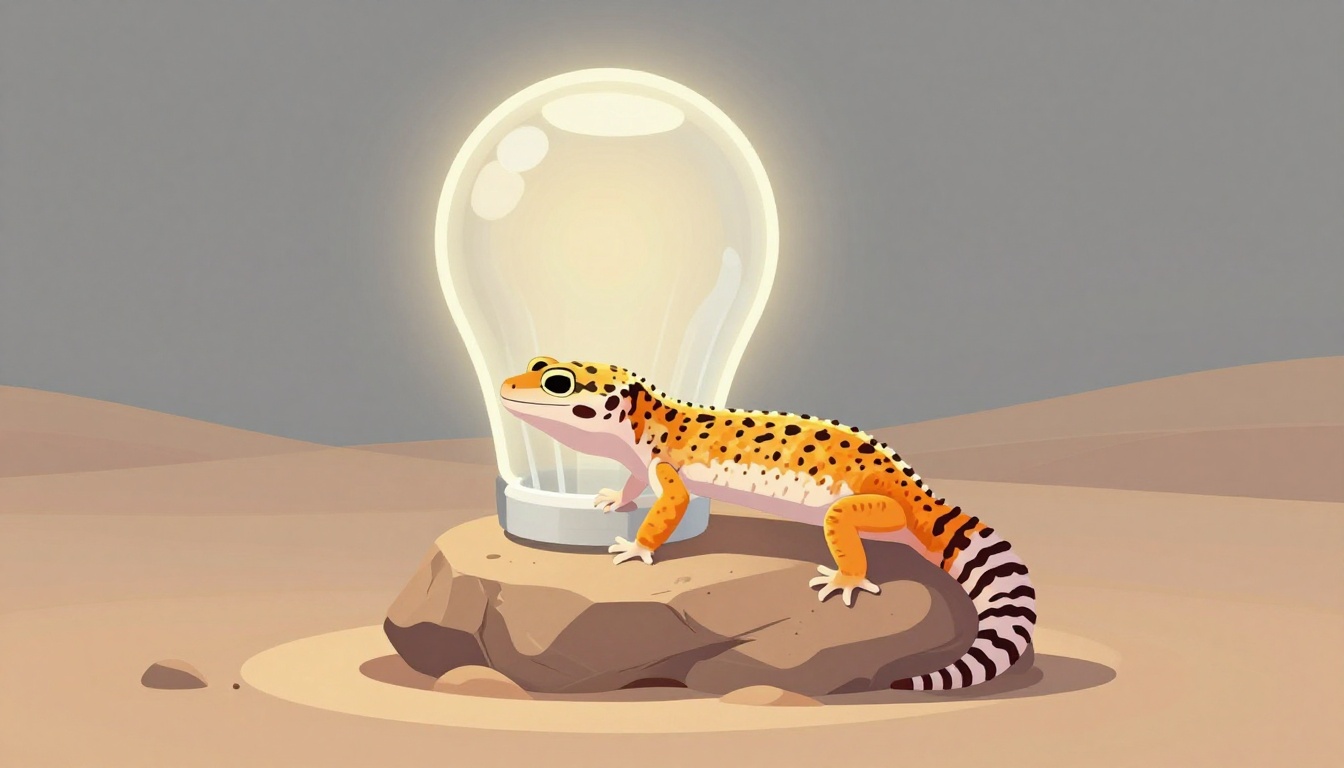
Picture this: Sarah watched her leopard gecko, Spike, drag his tail and skip meals for weeks. She dusted food with calcium, but nothing helped. Then she added a low-level UVB bulb. Spike perked up overnight, ate with gusto, and explored his tank.
UVB lighting mimics sunlight. It lets geckos make vitamin D3, which pulls calcium into bones for strong health. Leopard geckos hunt at dawn and dusk, so they grab faint desert sun rays. New studies from 2023 to 2025 prove even nocturnal pets like yours benefit from gentle UVB. It boosts activity and fights illness.
You will learn why UVB matters, top bulb types, picking the best fit, setup steps, and pitfalls to dodge. Choose wrong, and your gecko suffers in silence. Let’s fix that now.
Why Leopard Geckos Thrive with the Right UVB Exposure
Leopard geckos need UVB because it sparks vitamin D3 production. This form helps absorb calcium from food. Without it, bones weaken fast. Metabolic bone disease, or MBD, hits hard. A 2024 study in the Journal of Zoo and Aquarium Research showed UVB-fed geckos gained better bone density.
Geckos stay active around twilight, so they soak low UVB levels. Aim for 2-6% output. High doses suit daytime lizards, not yours. Zoos report happier pets with this setup. They show natural hunts, digs, and climbs.
In short, right UVB keeps your pet lively and tough.
Key Health Wins from UVB for Your Gecko
UVB brings big gains. Bones stay solid, so fractures drop. Geckos move more at dawn and dusk.
Skin shines brighter because shedding smooths out. Digestion improves too; they process food better and gain weight steadily.
This setup copies desert sun filtered through sand. For example, wild geckos bask lightly under it. Your tank can match that vibe.
Dangers of Skipping UVB in Your Setup
No UVB spells trouble. MBD creeps in with shaky legs, swollen jaws, or kinked tails. Lethargy follows, then meal refusal.
Supplements help some, but they fall short alone. Vets note up to 80% of pet geckos lack vitamin D3 without light. Screen tops block little UVB, yet many skip bulbs anyway.

Check Zoo Med’s reptile health guide for MBD details.
Best Types of UVB Bulbs for Leopard Gecko Terrariums
Pick bulbs made for small nocturnal lizards. Linear T5 HO tubes top the list, like Arcadia ShadeDweller 6% or Zoo Med ReptiSun 5.0. They spread even light.
Coils fade quick and spot heat. Compacts work okay at first but drop output fast. Mercury vapor suits big cages; it runs too hot for 20-40 gallons.
Go for 12-22 inch sizes. They last 12 months with steady UVB. Budget stays low at $25-40 each.
T5 Fluorescent Tubes: The Top Choice and Why
T5 high-output tubes win because UVB stays stable over time. Wide beams cover the tank well.
Arcadia’s 6% ShadeDweller fits most setups. For bigger tanks, try 12%. Brands beat generics in tests.
Pros include reliability and easy UVI checks. Cons mean you need a reflector. Still, they outperform others.
Other Options to Consider or Skip
Compact fluorescent lamps, or CFLs, lose 50% UVB in months. Use them short-term only.
Skip coils; they burn out in weeks with hot spots. Self-ballasted mercury vapor overwhelms small vivs.
In 2026, top sellers include ReptiSun T5 kits from Reptile Supply. Check reviews for fresh stock.
Matching UVB Strength, Size, and Fixture to Your Enclosure
Standard 36x18x18 inch tanks need 5.0-6% bulbs. Place them 10-12 inches over the high perch. Target UVI of 1.0-2.0 at bask spots.
Enclosure depth matters. Deep substrates soak rays, so adjust up. Hides block some, but that’s fine.
Use Zoo Med or Arcadia deep domes with reflectors. They boost output cheap, under $40 total.
Figuring Out the Perfect Strength and Distance
Match bulb to tank size. Here’s a quick guide:
| Tank Size | Bulb Strength | Distance from Perch |
|---|---|---|
| 20 gallon | 5% T5 | 8-10 inches |
| 40 gallon | 6-10% T5 | 12 inches |
Measure with a Solarmeter 6.5; it costs $50 but pays off. Labels fade, so trust the tool.
For example, too close spikes UVI to 4+, which burns.
Fixture Basics: What You Need for Even Light
Grab a non-dimming deep dome or tube clip. Aluminum reflectors add 30% more rays.
Set a timer for 12 hours, synced to active times. This mimics nature without stress.

See Arcadia’s fixture guide for picks.
Easy Setup, Maintenance, and Fixes for Long-Term Success
Mount the tube horizontal over the warm side. Cover one-third of the tank. Run it 10-12 hours daily.
Replace every 6-9 months, lit or not. Output drops unseen. Clean mesh tops block minimal rays.
Troubleshoot dim glow? Swap the bulb. Simple fixes keep things humming.
Daily and Monthly Care Routines
Glance at the bulb monthly. Pink tint signals end of life.
Wipe dust off fixtures. Log UVI the first month to baseline.
These steps take minutes but save vets bills.
Spotting and Solving Common UVB Problems
High UVI causes scabs or burns. Lower the bulb or swap strength.
Low readings bring MBD hints like wobbles. Raise it closer or get a fresh tube.
Vet visits confirm if tweaks fail. Act fast for best odds.

Grab a Solarmeter from Amazon for checks.
Right UVB means a T5 5-6% bulb at UVI 1-2, replaced on schedule. Your gecko stays strong and playful.
Audit your setup today. Share photos or questions in comments. Do babies need UVB? Yes, same low dose from hatch.
Better lighting leads to better pet years. Your gecko thanks you.