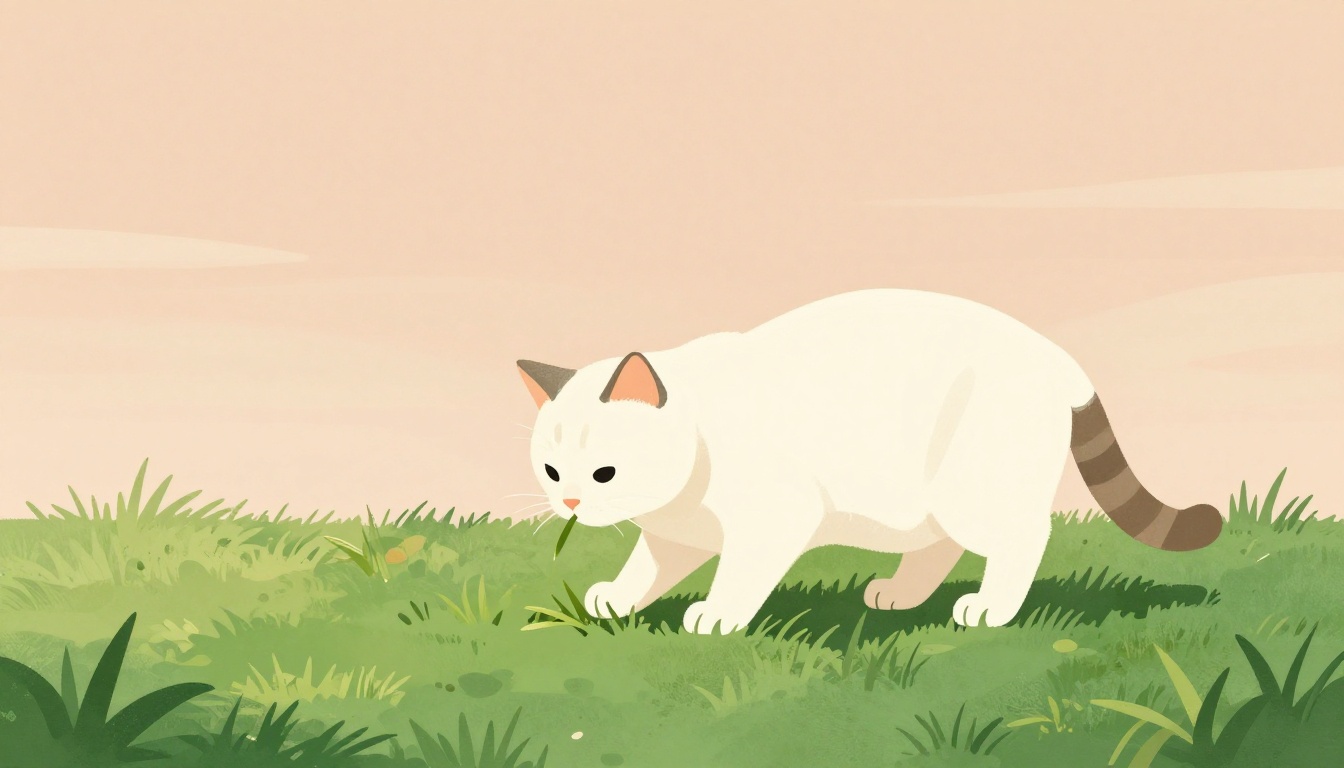
You step into your backyard and spot your cat, head down, munching on a patch of green grass like it’s a gourmet treat. It’s a sight every cat owner has seen at some point. But why cats eat grass puzzles many of us. Is it just quirky behavior, or does it signal a problem?
Most cats do this often. In fact, veterinarians say up to 70% of household cats nibble grass regularly. Owners worry because cats are obligate carnivores. They don’t process plants well. Yet this habit persists across breeds and ages. Sometimes it leads to vomiting, which adds to the concern.
Don’t panic yet. This post breaks down the top reasons behind it. You’ll learn the harmless causes, clear warning signs, and easy steps to handle it. By the end, you’ll know when to relax and when to grab the phone for your vet.
The Surprising Reasons Your Cat Craves Grass
Cats eat grass for practical reasons rooted in biology and instinct. They can’t taste sweetness like we do. Grass appeals through texture and mild appeal instead. Studies from veterinary groups show this behavior dates back to wild ancestors.
One key benefit comes from added fiber. Domestic cats groom a lot. They swallow fur daily. Grass provides roughage that moves things along in their gut. It acts like a natural broom. Without it, hairballs build up faster.
Your cat might seek grass to purge its stomach gently. The blades irritate the throat just enough to trigger vomiting. This clears out indigestible bits safely. Vets at PetMD explain this process in detail. Most cats do it once a week or so. It’s normal unless it ramps up.
Boredom plays a role too. Indoor cats lack stimulation. Grass offers a chew toy alternative. They bat it, then eat it. Stress from changes, like a new home, boosts this urge. In short, grass fills multiple needs.
Nutrients rarely drive it in well-fed cats. Balanced kibble covers vitamins. But feral cats eat prey with plant matter inside. House cats mimic that. Curiosity draws kittens most. They explore with their mouths.
Fun fact: Cats lack enzymes to break down grass fully. It passes through mostly whole. That’s why you see green bits in vomit. This habit rarely harms healthy cats.
How Grass Helps Cats Spit Up Hairballs Safely
Hairballs form when cats swallow loose fur during grooming. The stomach can’t digest it all. Balls of fur collect and cause discomfort. Grass steps in as a helper.
When your cat chews grass, sharp edges tickle the stomach lining. This prompts regurgitation. Fur comes up with the grass. Vomiting stays mild, not forceful. Owners notice cylindrical hairballs on the carpet afterward.
Symptoms include hacking coughs or retching. Cats lick lips often too. Brush your cat daily to cut loose fur. This reduces intake by half.
Vets recommend it over medicines first. Grass offers a low-risk fix. Watch if hairballs exceed twice monthly. Then check diet or health.
Wild Instincts: Why House Cats Act Like Lions
Your sofa lion retains savanna habits. Wild cats ate grass after kills. Prey stomachs held partly digested plants. This gave roughage and purged worms.
Feral cats today eat grass for the same purge. They clear parasites or bad meat. Domestic life lacks those risks. Yet the drive lingers.
House cats forage in yards or pots. It satisfies hunting urges. Provide toys that mimic prey. They redirect energy from grass.
Experts at VCA Animal Hospitals note this link. Indoor cats turn to houseplants if no grass available. Choose safe ones to avoid poison.
Red Flags: When Grass-Eating Signals a Bigger Problem
Grass munching stays harmless 90% of the time. Problems arise with excess or extras. Track how much and how often your cat eats it. Normal means a few blades weekly.
Warning signs demand attention. Excessive intake leads to daily vomiting. Look for blood in puke or stool. Diarrhea follows sometimes. Lethargy, weight loss, or skipped meals point to issues.
Sudden changes worry vets most. Your active cat acts off? Note it. Pica, or eating non-foods, pairs with grass binges. It stems from anemia or stress.
Outdoor grass hides toxins. Pesticides linger weeks. Fertilizers upset stomachs. Check labels.
If grass eating pairs with one sign below, call your vet:
- Frequent vomiting (more than twice weekly)
- Bloody or foamy vomit
- Persistent diarrhea
- No interest in food
- Rapid weight drop
- Yellow gums or weakness
Experts agree isolated grass eating proves fine. Combined symptoms mean checkups. Blood tests rule out deficiencies.
Vomiting More Than Usual? It Could Be Serious
Occasional puke after grass counts normal. It clears the system. But daily episodes signal trouble. Track color and contents.
Green tint means grass. Yellow bile hints at empty stomach issues. Red streaks scream emergency. Count episodes over days.
Vets advise logs. Note time, food, and grass access. Patterns guide diagnosis. Worms or allergies hide behind it.
Rush to clinic if vomiting lasts 24 hours. Dehydration hits cats fast.
Hidden Dangers in Your Backyard Grass
Yards tempt cats but risk chemicals. Herbicides kill weeds and harm pets. Effects show as tremors or drool.
Fertilizers cause burns or poisoning. Treated grass stays unsafe months. Rinse it or fence off.
Nearby plants like lilies prove deadly. Even pollen kills kidneys. Opt for ASPCA’s toxic plant list to check.
Indoor grass avoids this. Grow wheatgrass for safety.
Smart Steps to Manage Your Cat’s Grass Habit
Take charge of the habit today. Simple changes cut risks and meet needs. Start with diet tweaks.
Add canned pumpkin. One teaspoon daily boosts fiber. It fights hairballs without grass. Switch to high-fiber kibble if vet approves.
Ramp up play. Laser pointers or feather wands tire cats out. Boredom fades, so does random munching.
Groom weekly. Remove fur before it enters mouths. Long-hairs need it most.
Vet visits catch issues early. Annual checks include stool tests. Mention grass if frequent.
For yards, use pet-safe products. Organic fertilizers work fine.
Grow indoor grass next. It satisfies safely.
Grow Your Own Cat Grass for Peace of Mind
Cat grass kits cost little. Buy wheat or oat seeds. Fill a shallow pot with soil.
Scatter seeds thickly. Water lightly. Sprouts appear in days. Ready in a week.
Place near windows. Refresh every two weeks. No chemicals mean no worry.
Cats love the fresh crop. It cuts outdoor trips. Kits from stores like Chewy sell fast.
Most cats thrive with these steps. Habits normalize fast.
Keep Your Cat Happy and Healthy
Cats eat grass for digestion aid, instincts, or fun. It’s usually harmless. Watch for excess vomiting, lethargy, or toxins though. Those demand vet care.
You’ve got tools now. Grow safe grass, add fiber, play more. Your cat stays content.
Seen odd grass habits? Share in comments below. Subscribe for weekly pet tips. Pin this for your cat crew.
That backyard nibble might keep your feline fit after all.