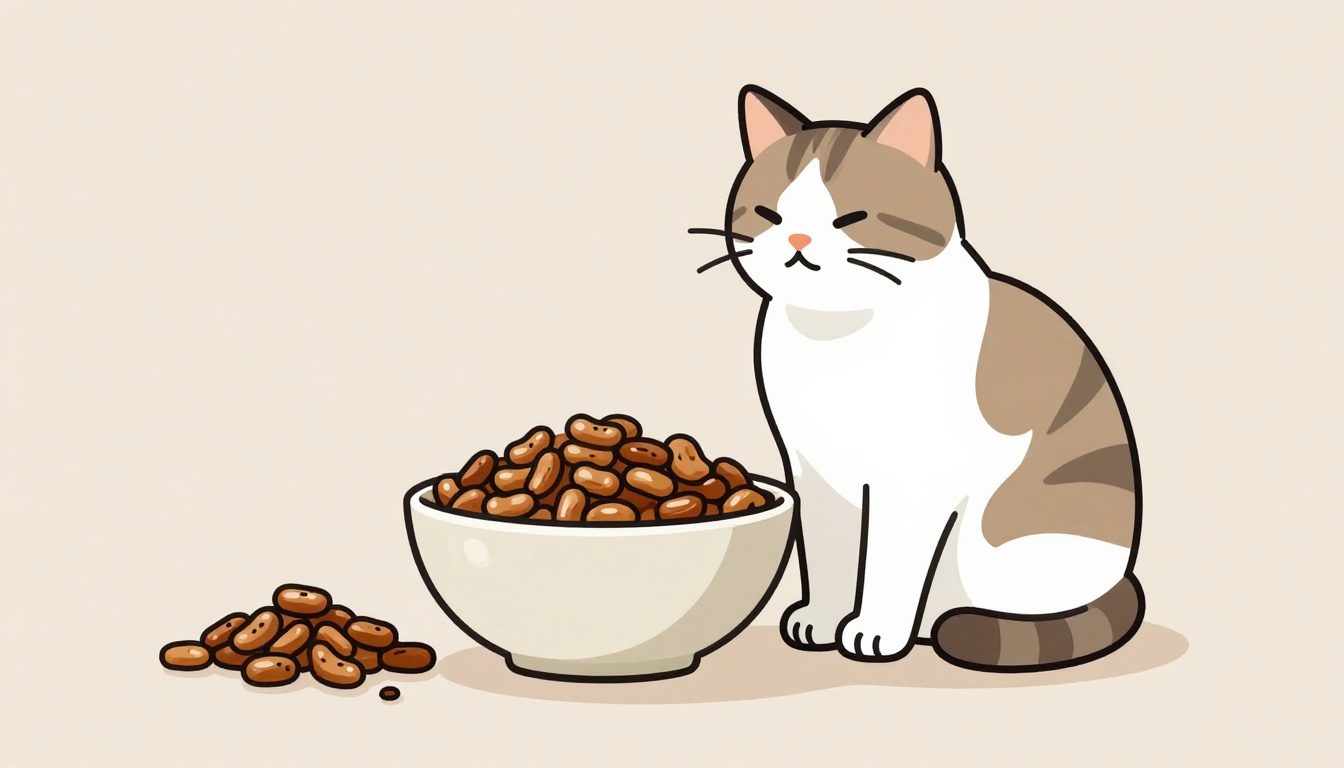
Your cat stares at the dry kibble bowl like it’s an unwelcome intruder. Maybe your vet suggested wet food for better hydration, or you’ve noticed picky eating habits. Cats often prefer the taste and texture of wet food, but a sudden switch leads to tummy troubles.
Wet food packs 75-80% moisture, which helps prevent common issues like urinary tract problems and kidney strain. It also supports healthy weight because it fills cats up without extra calories. Best of all, it mimics the juicy prey cats ate in the wild.
Don’t worry if your cat resists change. A slow transition avoids diarrhea or refusal. This guide walks you through preparation, a proven 10-day plan, troubleshooting, and long-term tips. You’ll see your cat thrive on wet food soon.
Why Make the Switch to Wet Food?
Cats lose hydration fast on dry food alone. Dry kibble has just 10% moisture, so cats drink less and risk crystals in urine. Wet food solves this because it delivers water with every bite.
It also aids weight control. Wet food feels more satisfying, so cats eat less overall. Studies show obese cats benefit most from this shift. Plus, the soft texture spares teeth from kibble’s grind.
Quality wet foods use whole meats for higher protein. Dry often relies on plant fillers. In nature, cats get 70-80% of water from prey, so wet food fits their biology better.
Here are key benefits:
- Boosts hydration: Cuts urinary disease risk by 30-50%, per vet reports.
- Supports weight loss: Lower calorie density helps overweight cats slim down.
- Eases dental care: Less tartar buildup than crunchy kibble.
- Appeals to picky eaters: Strong aromas and smooth texture win them over.
- Delivers nutrients: Meat-first recipes match feline needs closely.
For more on urinary health gains, check Cornell Feline Health Center’s cat hydration facts. The effort pays off in fewer vet visits and a happier pet.
Owners report shinier coats and more energy after the switch. Your cat deserves these perks.

Prepare Your Cat and Home for the Change
Pick wet food wisely first. Choose brands with named meats like chicken or salmon as top ingredients. Skip those heavy on by-products or grains if your cat has allergies.
Talk to your vet before starting. They know your cat’s history, like kidney concerns or age. Seniors often need specific formulas.
Stock up on your cat’s favorite dry flavor. Find matching wet versions, such as beef dry and beef pate wet. Buy small cans to test.
Clean bowls with hot soapy water daily. Bacteria grow fast in wet food residue. Set feeding times, like morning and evening.
Start with scent exposure. Dab a bit of wet food on your cat’s paw. They lick it off naturally.
Track baseline health. Note stool firmness, weight, and energy now. This helps spot changes later.
In multi-cat homes, feed separately. One picky eater shouldn’t sway the group.
Weigh portions accurately. A typical adult cat needs 200-300 calories daily, split across meals.
Prep pays off. Your cat adjusts smoother with these steps.
Your Foolproof 10-Day Transition Plan
Stick to this schedule for best results. Mix by volume, not weight, since wet food compacts. Mash it into dry for even blend. Feed at set times. Offer fresh water always.
Adjust if your cat shows distress, but aim to progress. Assume a 5.5-oz can daily for a 10-lb cat, mixed with dry to match calories.
| Day Range | Wet Food % | Dry Food % | Notes |
|---|---|---|---|
| 1-3 | 25% | 75% | Small start builds acceptance. |
| 4-6 | 50% | 50% | Watch stools; praise good eats. |
| 7-9 | 75% | 25% | Mostly wet now. Reduce dry slowly. |
| 10 | 100% | 0% | Full switch. Monitor closely. |
This table keeps it simple. Follow it, and success follows.
Days 1-3: Start Small with 25% Wet Food
Mix one part wet into three parts dry. For breakfast, blend 1 tablespoon wet with 3 tablespoons dry. Serve same as usual.
Your cat may sniff first. That’s normal. Most accept it quickly because familiar dry dominates.
Feed three times if needed to ease digestion. Note any hesitation.
Days 4-6: Bump Up to 50% Wet Food
Now half wet, half dry. Mash thoroughly so no clumps scare your cat.
If they devour it, offer a tiny treat after. Loose stools mean pause here a day.
Energy stays steady usually. Hydration improves already.
Days 7-9: Go 75% Wet with Less Dry
Three-quarters wet now. Dry just flavors it.
Reduce meal size if full faster. Watch urine output increase, a good sign.
Day 10: Full Wet Food Victory
All wet food today. Serve room temperature for appeal.
Celebrate with playtime. Check stools firm up over the week.

See ASPCA’s gradual diet change advice for extra support.
Solve Common Problems During the Switch
Cats refuse wet food sometimes. Warm it gently in hot water for 30 seconds. Stronger smell tempts them. Try fish flavors if chicken flops.
Diarrhea hits from fast change. Stop increasing wet. Add cat-safe probiotics from your vet.
Vomiting? Feed smaller amounts four times daily. That eases stomach load.
Less fiber causes constipation. Stir in plain pumpkin, one teaspoon per meal.
Picky cats ignore bowls. Hand-feed a few bites to spark interest.
Call the vet if blood appears in stool, or your cat acts lethargic.
One owner shared: “My tabby boy had runny poops on day 5. I slowed to 25% longer, and we finished in 14 days. Now he begs for wet!”
Common fixes:
- Won’t eat: Top with dry crunch or tuna juice.
- Gassy: Plain yogurt dab aids digestion.
- Weight drop: Check calories match old intake.
Patience wins. Most issues fade in days.
For probiotic picks, see PetMD’s gut health for cats.
Tips for Wet Food Success Year-Round
Store opened cans covered in fridge up to five days. Serve at room temp; cold food loses appeal.
Rotate flavors weekly. Chicken, turkey, seafood keep boredom away.
Control portions. Use a kitchen scale for accuracy. Adjust for activity.
Miss dry’s dental scrub? Add chews twice weekly.
Buy bulk from trusted sites for savings. Check sell-by dates.
Track wins like glossier fur or steady weight. Annual vet bloodwork confirms kidney health.
Share your transition story in comments. What flavor hooked your cat?

Final Thoughts on Wet Food Wins
Your cat gains hydration, taste joy, and health boosts from wet food. Follow the 10-day plan, prep well, and fix hiccups fast.
Start today for a purring, hydrated companion. Pin this guide, share with fellow owners, and chat with your vet.
Cats with optimal diets live longer, happier lives. Your switch matters.