Picture this. You return from a joyful park adventure with your dog. Then you spot a small, dark bump on its ear. That bump is a tick, and it could carry Lyme disease. Each year, ticks infect thousands of dogs in the US with serious illnesses like Lyme or ehrlichiosis. These bugs thrive in spring and summer, especially after walks in grass or woods.
You need to check your dog right away. Ticks latch on fast and spread bacteria within hours. Early finds stop problems before they start. This guide covers the risks, your toolkit, a full-body scan, safe removal, and prevention tips. Follow these steps, and tick checks become quick habits that keep your pup safe.
Why Ticks Pose a Serious Threat After Outdoor Fun
Ticks wait in tall grass, bushes, and trails. Your dog brushes past, and they hitch a ride. In the US, warmer months from April to October mark peak season. Deer ticks spread Lyme disease most often. Dog ticks carry Rocky Mountain spotted fever.
These parasites go through stages. Larvae, nymphs, and adults all bite. Nymphs, tiny as poppy seeds, hide best. They swell with blood after feeding. Dogs show signs like fever, limping, or loss of appetite. Joint pain from Lyme hits weeks later. Ehrlichiosis causes lethargy and nosebleeds.
Early detection matters. Most dogs recover with antibiotics if treated soon. Delays lead to vet bills over $1,000. Walks raise risks in wooded parks or backyards. Check CDC data on tick-borne diseases in dogs for your area stats.
Symptoms vary. A rash might appear. Hot spots turn red. Dogs scratch or lick bites. Regional hotspots include the Northeast for Lyme and the Southeast for dog ticks. Know your zone because risks differ.
Routine checks prevent suffering. You save time and money. Plus, your dog stays playful. Start inspecting every walk in tick season. This habit protects better than worry alone.
Stock Your Tick Inspection Kit with These Must-Haves
Gather supplies before your next walk. A simple kit makes checks fast and safe. Keep it by the door for easy grabs.
Fine-tipped tweezers top the list. They grasp the tick’s head without squeezing its body. That avoids infection from gut contents. Next, grab a flea comb. Its teeth part fur and snag ticks gently.
Add a magnifying glass or phone flashlight. Small ticks blend in dark fur. Rubbing alcohol kills ticks and cleans bites. Wear disposable gloves to protect your hands. Use a small jar with a lid to store ticks for vet ID if needed.
Lint rollers pick up loose ones from fur. For budget options, a credit card parts thick hair. Soap and water work for cleaning too. Pet stores or sites like Chewy’s tick removal tools stock everything cheap.
Build the habit. Stock up once, then check after every outing. Your dog associates the routine with treats. Safety comes first, so wash hands after. Now you feel ready in under 10 minutes.

Master the Full-Body Tick Sweep: Check These Spots First
Do the sweep right after walks. Pick a calm spot with bright light. It takes 10 minutes max. Calm your dog with pets and treats first.
Run hands over the whole body. Feel for bumps or scabs. Part fur against its growth direction. Check skin for pink spots or black specks. Wet fur slightly if dry; water makes ticks show.
Work head to tail. This order misses nothing. Enlist family members for big dogs. Turn it into a game. Avoid baths first because water lets ticks float off unseen.
High-risk seasons need daily scans. Most ticks hide in warm folds. Confidence grows with practice. Your thorough check keeps bites rare.
Head, Ears, and Face: Ticks Love These Warm Hiding Spots
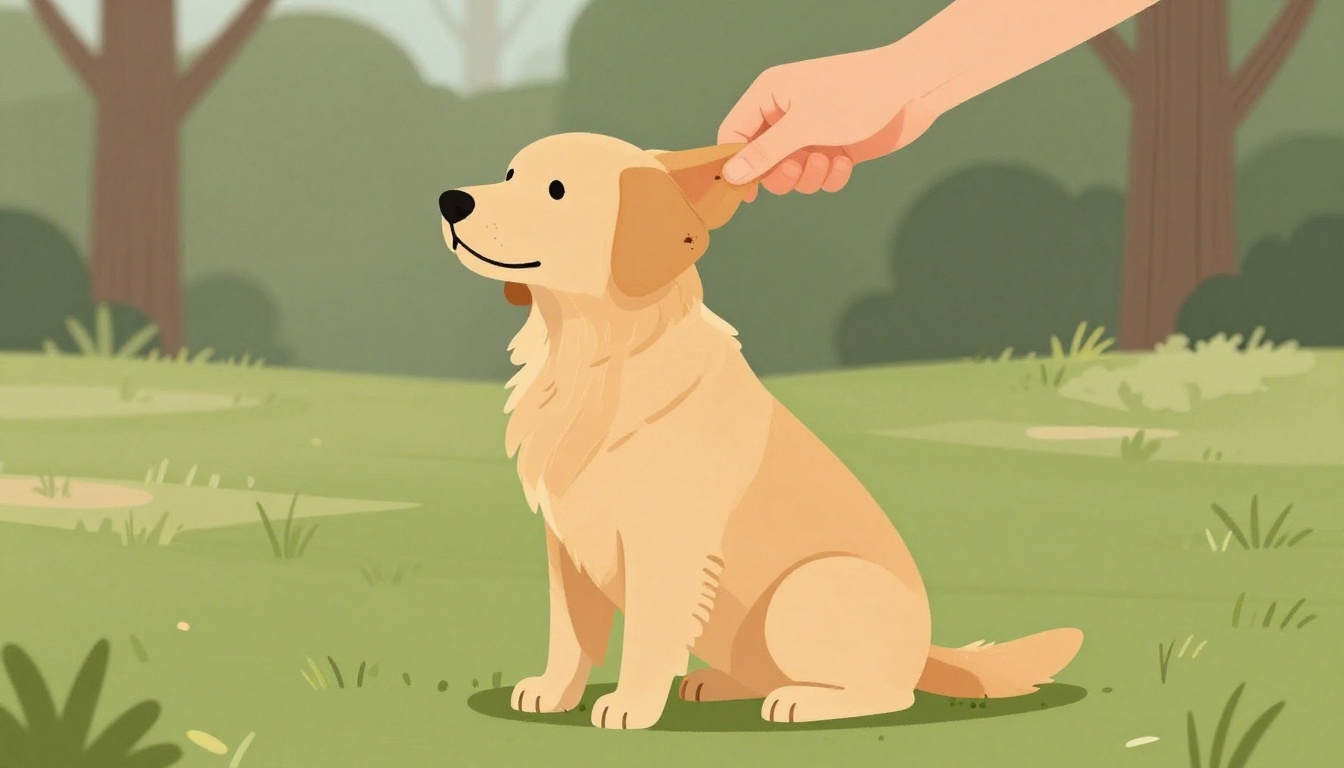
Start at the head. Lift ear flaps high. Peek inside folds and crevices. Ticks cling where blood flows easy.
Check around eyes and lids. Feel the muzzle and lips. Dogs shake heads if irritated. Use light to spot sesame-sized nymphs. Fingers detect them best before sight.
Warm areas draw ticks fast. Irritation leads to shakes or pawing. Comb gently here. Misses cause ear infections quick.
Neck, Shoulders, and Armpits: Feel for Tiny Bumps Here
Move to the neck. Part thick fur in sections. Check skin folds closely. Ticks burrow deep.
Shoulders catch them from low brush. Armpits stay moist and hidden. Dogs rub there often. Watch for flinches; pain signals bites.
Use the comb slow. Feel every inch. Bumps feel like small peas. Light helps see engorged ones.
Belly, Groin, Legs, and Toes: Don’t Miss the Underside
Flip your dog gently on its back. Inspect the soft belly skin. Ticks love thin areas here.
Groin creases trap them from ground romps. Run fingers between legs. Check each leg top to bottom. Spread toes and pads wide.
Ticks grip paws during play. Licking hides bites. Comb pads last. Undersides hold most finds.
Tail Base and Rear: The Sneaky Back-End Check
Lift the tail base. Check skin there and around the anus. Dogs sit in grass, so ticks latch easy.
Part fur at the rear. Feel for lumps. Be gentle to keep trust. This spot swells bites fast.
Complete the sweep. Praise your dog big. Routine bonds you closer.
Spot a Tick? Remove It Right and Dodge Infection Risks
Found one? Stay calm. Quick action stops diseases. Never crush or burn; that spreads germs.
Grasp close to skin. Pull steady. Save the tick in alcohol jar. Label with date and spot. Vets ID species if symptoms show.
Watch the bite 2 to 4 weeks. Redness or swelling means checkups. Use preventives always. Most dogs bounce back fine.
See AKC guide on tick checks for more visuals. Proper steps ease worry.
Step-by-Step Safe Tick Removal with Tweezers
Clean hands and area first. Dab tick with alcohol to stun it.
Grasp mouthparts with tweezers. Pull straight out even. No twist or jerk. It might take 30 seconds.
Drop tick in jar of alcohol. Clean bite with soap, water, then alcohol. Bandage if needed. Dispose safe.
Aftercare for Your Dog and When to See a Vet
Monitor daily. Swelling or pus signals infection. Fever, lameness, or no appetite needs vets now.
Lyme symptoms hit late. Vets test ticks or blood. Antibiotics fix most. Prevent with monthly meds.
Bonus Prevention Strategies for Tick-Free Walks Ahead
Stop ticks before they start. Monthly topicals or orals kill them fast. Vets recommend based on your area.
Lyme vaccines protect high-risk dogs. Treat yards with sprays in April. Stick to paths, skip thick brush.
Post-walk baths remove stragglers. Tick collars work for hikes. Dress dogs in long fur covers sometimes.
Ramp up April through October. Consult vets for best fits like ASPCA prevention tips. Check during cuddle time. Habits build safety.
Gear up smart. Short walks cut exposure. Clear yard debris too. Your efforts keep adventures fun.
Happy, healthy walks await. You now spot and stop ticks easy.
Routine checks bring peace. Your dog avoids pain and bills. Tools ready, body scan complete, removal safe. Prevention seals it.
Try the full sweep tonight. Share your finds in comments below. What spots surprise you most? Subscribe for more pet care wins.
Trail on with your tick-free buddy.