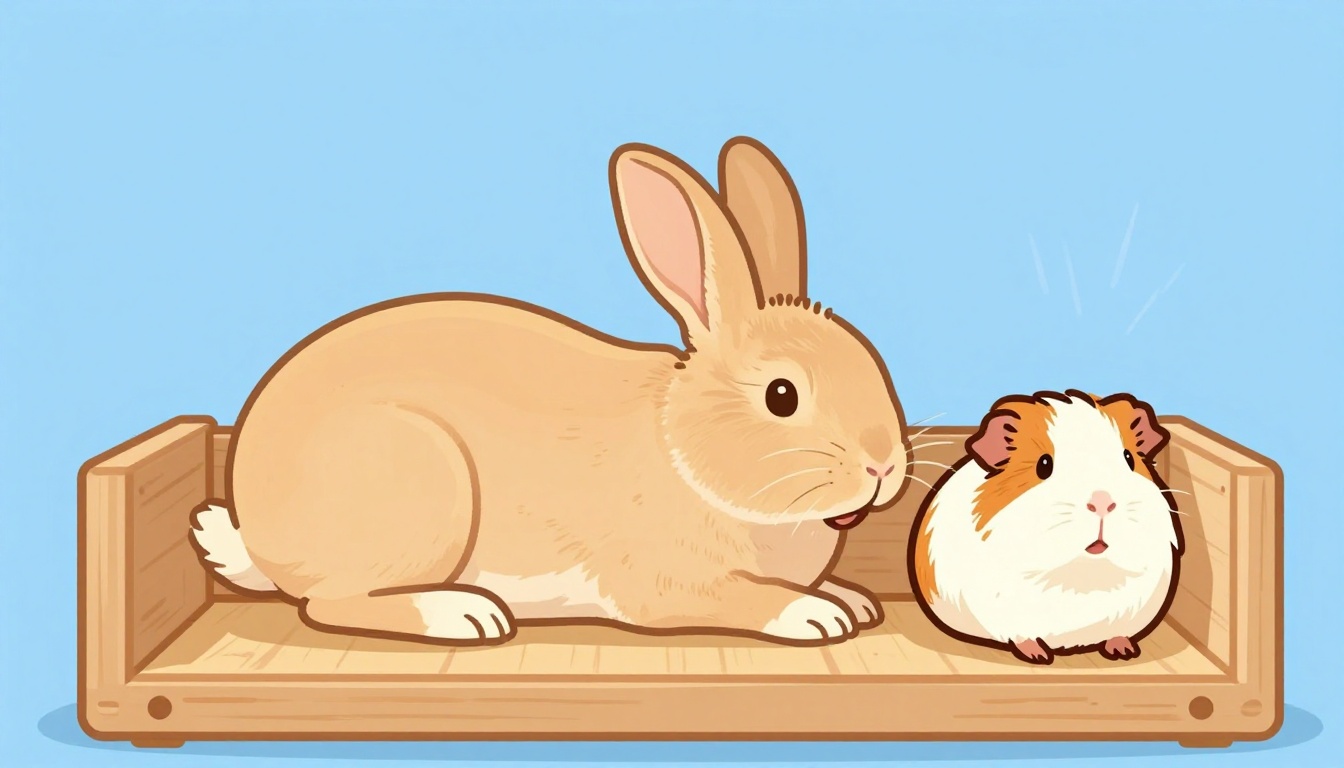
Imagine this: it’s a sweltering afternoon in summer 2026, and you glance at your rabbit’s hutch. She’s panting rapidly, sprawled out flat, with droopy eyes and hot ears. Your heart drops because you sense something’s wrong, and heatstroke might be striking fast.
Heatstroke happens when your pet’s body overheats and can’t cool down quickly enough. Rabbits and small pets like guinea pigs or hamsters struggle most because they have thick fur, small bodies, and no sweat glands; they pant or use their ears to release heat. Temperatures over 80°F turn deadly for them in minutes, so early signs matter.
You love your furry friend and want to keep them safe, especially as warmer months approach. In this post, you’ll learn to spot symptoms early, take quick action steps, and prevent heat issues altogether. Let’s dive into the first warning signs so you can act before it’s too late.
Why Rabbits and Small Pets Overheat Faster Than You Think
Your rabbit or guinea pig seems tough, right? But their tiny bodies heat up much quicker than larger animals or even humans. They lack sweat glands, so they rely on panting and ear circulation to cool off. Thick fur traps body heat like a wool blanket on a summer day. Small size speeds the process because less mass means faster temperature spikes. Heatstroke risks in rabbits and other small pets climb fast above 80°F, especially now. US weather patterns show warmer Aprils feeding into hotter summers, so incidents rise each year.
These pets prefer cool spots around 60 to 70°F. High humidity blocks evaporation from panting. Direct sun, stuffy enclosures, or extra weight from obesity make it worse. Young kits or senior pets handle heat poorly because their systems slow down. Poor airflow in hutches or cages turns mild days deadly.
Rabbits’ Built-in Cooling Struggles
Rabbits pant to cool off, but it barely works. No sweat means they push air over lungs instead. Ears help most; large surface spreads thin blood to dump heat. In scorching temps, though, ears flop flat. That kills circulation and traps warmth inside.
They thrive between 60 and 70°F. Push past 80°F, and stress hits hard. Long-haired breeds like Angoras suffer more; extra fur blocks escape routes.
Common triggers pop up daily:
- Car rides without strong AC, where temps soar inside.
- Outdoor hutches baking in afternoon sun.
- Crowded spaces with no breeze.
Obesity adds insulation. Pups and elders overheat first because hearts pump slower. High humidity clogs the system, like steam in a sauna. Spot these setups, and you cut heatstroke risks in rabbits right away.

Small Pets’ Hidden Heat Vulnerabilities
Guinea pigs show clear signs first. They pant open-mouthed and huddle in corners, seeking any cool spot. Hamsters go wild on wheels at first, building more heat, then flop exhausted. Chinchillas depend on dust baths for grooming, but humidity ruins that; they overheat without dry, chilly air below 75°F.
Ferrets burn hot inside from speedy metabolism. They pace restlessly before crashing. Rats tuck into bedding, but small frames heat quick anyway.
These pets share traits that bite back in heat:
- Tiny bodies gain warmth fast from surroundings.
- Dense fur holds it close, slowing release.
- High energy ramps internal temps higher.
Direct sun scorches cages. Stale air builds up. Overweight or aged ones falter sooner. As summers stretch earlier with warmer trends, keep vents open and shade ready. Act on these vulnerabilities, and your pals stay safe.
Spot Heatstroke Coming On in Your Rabbit Early
Your rabbit hides in the corner on a warm day, but does it bounce back later? Heatstroke hits fast, so watch for changes that go beyond normal lazy afternoons. These pets shut down to save energy when bodies overheat, leading to clear warnings. Spot them early, and you act before collapse sets in. Symptoms progress from subtle behaviors to scary body clues. For example, mild signs like less eating show first; severe ones like seizures follow if ignored. Check your bunny now if temps top 80°F.
Here’s a quick guide to rabbit heatstroke symptoms, grouped by early, mid, and late stages. Act fast because seconds count.
Early behavioral alerts (mild stage):
- Lethargy: Your bunny flops instead of hopping. The body slows to conserve energy and cut heat production.
- Skips food or water: Digestion makes heat, so appetite drops. Unlike picky eaters, they ignore favorites.
- Hides more than usual: Seeks dark, cool spots. Normal shyness passes; this lasts hours.
Mid-stage body checks (watch closely):
- Hot, floppy ears: Feel them; warm or hot means poor blood flow. Ears normally stay perky.
- Bright red gums or skin: Lift lip; pink is good, red screams inflammation. Quick peek takes seconds.
- Heavy drooling or wet nose: Saliva builds from stress. Not grooming; it’s constant drip.
Late danger signs (emergency):
- Rapid, shallow breaths over 60 per minute: Count chest rises for 15 seconds, multiply by four. Normal rests at 30-60.
- Staggering or weak pulse: Legs wobble from low blood pressure. Press inner thigh artery gently.
- Teeth grinding or seizures: Pain signals distress; convulsions mean brain overload. Rush to vet now.
These differ from hot-day panting because energy stays low and signs worsen. Test ear temp with your hand or a quick thermometer swipe (under 103°F normal). Red gums? Cool them immediately.
Behavioral Changes That Signal Trouble
Lethargy strikes first because your rabbit’s body hits pause to fight rising temps. It rests flat, eyes half-closed, ignoring toys. In addition, they stop eating or drinking; fresh hay sits untouched. Digestion generates heat, so the body skips it to stay cool.
Hiding ramps up too. Your bunny burrows deep, avoiding light and you. This saves energy but signals stress. Staggering follows as dehydration hits; legs buckle on short hops. Teeth grinding adds a low hum, a pain cry from the strain.
Meanwhile, normal warm days bring short rests. Heatstroke behaviors linger and build. Check hutch shade first, then watch closer.

Body Signs You Can Check Quickly
Touch those ears next. Hot and floppy? Blood stalls, trapping heat inside. Normal ears feel cool and stand alert.
Bright red gums shine through parted lips. Press gently; color should blanch then pink up fast. Red stays, showing overload. Heavy drooling soaks fur; nose drips wet unlike dry grooming.
Rapid shallow breaths pant uselessly past 60 per minute. Weak pulse thumps faint under skin. Seizures jerk limbs in worst cases.
Do home checks simply. Feel ears against your wrist. Peek gums with a flashlight. Count breaths while stroking calmly. VCA Animal Hospitals details these checks. Cool water and fans buy time, but vet care seals it. Your quick eye saves lives.
Key Heatstroke Warnings in Guinea Pigs, Hamsters, and Other Small Pets
Rabbits grab attention with floppy ears, but your guinea pig or hamster sends different alerts. These small pets overheat just as fast because dense fur and quick metabolisms trap warmth. Behaviors shift first; you notice your pet acting off. Then physical signs scream for action. Spot these by type, and you step in early. Guinea pigs squeal in distress, while hamsters get glassy-eyed stares. Know the clues, so you cool them down before collapse hits.
Acting Off? Behavior Clues by Pet Type
Lethargy creeps in quietly across small pets. Your guinea pig slumps in the corner instead of popping for treats. It refuses pellets or veggies because digestion adds heat. Hamsters stop their wheel marathons and flop limp, eyes glassy from exhaustion.
Huddling follows next. Guinea pigs pile into the coolest cage spot, squealing sharply if you approach. Hamsters burrow deep into bedding, ignoring playtime. Chinchillas or gerbils act aggressive suddenly; they snap or hide, unlike their usual curiosity.
Floppiness worsens it. Rats stagger like drunks, tails limp. Ferrets pace wildly at first, then collapse weak. These differ from lazy days because signs build and last. Check water intake too; dry bowls mean dehydration amps the risk.
Meanwhile, normal afternoons bring short rests. Heat pushes pets to extremes. Feel the cage air; stuffy spots speed trouble.

Physical Red Flags to Inspect Now
Fast breathing stands out sharp. Guinea pigs gasp open-mouthed over 100 breaths per minute; count rises for 15 seconds and multiply by four. Hamsters pant shallow and rapid, sides heaving.
Salivation drips next. Excessive drool soaks chins because stress floods mouths. Gums turn pale or blue; lift lips gently for a peek. Pink bounces back fast, but off-colors signal oxygen loss.
Hot skin burns your fingers. Press bellies; they feel feverish above 103°F. Trembling shakes bodies as muscles fail. Loss of coordination trips them up; watch legs buckle on simple moves.
Weakness leads to collapse. Diarrhea soils bedding from gut shutdown. Seizures jerk limbs in late stages, especially hamsters. These hit quick, so inspect now.
Here’s a fast comparison of top signs by pet:
| Pet Type | Key Behavior Clue | Top Physical Sign |
|---|---|---|
| Guinea Pig | Squealing, huddling | Gasping, pale gums |
| Hamster | Glassy eyes, floppiness | Hot skin, trembling |
| Chinchilla | Aggression | Salivation, collapse |
| Rat/Ferret | Refusing food | Diarrhea, seizures |
Vetstreet outlines small pet heatstroke checks. Act with cool towels and fans; vets handle the rest. Your watch saves them.
Act Fast: First Aid Steps for Suspected Heatstroke
You see the floppy ears or rapid pants. Your heart races, but stay calm. Quick first aid cools your rabbit or small pet before damage sets in. These steps buy time until vet help arrives. Act gently because stress worsens it. First, get them to safety.
Safe Ways to Cool Your Pet Down
Move your pet to a cool room with AC or shade right away. Temps below 75°F help most. Fans blow gentle air over them, but skip ice packs; they shock the system. Mist fur lightly with room-temp water for evaporation.
Here’s a simple numbered guide to cool them safely:
- Relocate fast: Carry to an air-conditioned spot or shaded area. Avoid direct sun or hot cars.
- Fan and mist: Set a fan on low nearby. Mist body with a spray bottle of cool (not cold) water. Focus on legs and ears.
- Damp towel wrap: Soak a towel in cool water, wring it out, and drape loosely over the body. Refresh every 10 minutes.
- Frozen bottle trick: Place a frozen water bottle near (not on) them. They lean in for relief without force.
- Hydrate smart: Offer cool water in a bowl or syringe sides of mouth slowly. Try wet greens for rabbits or droppers for guinea pigs. No force-feeding.
- Monitor close: Check breathing and response every 5 minutes. Improvement shows in perky ears and normal breaths.
Never dunk in cold water or baths; that causes shock. These methods drop body temp gradually. For example, many owners save pets with fans and towels alone.

Red Lines: Rush to the Vet When…
Some signs demand pros now. Don’t wait if you see these. Your home steps work short-term only.
Rush immediately for:
- Seizures or convulsions: Jerking limbs mean brain swelling.
- Coma or unresponsive: No reaction to touch or voice.
- Breathing stops: Chest still for 10 seconds.
- Pups under 1 year or seniors: Weak systems can’t fight back.
- No change in 10-20 minutes: Symptoms stay or worsen.
Call ahead while cooling. In the US, find 24/7 emergency vets via ASPCA Animal Poison Control Hotline for advice or AVMA’s emergency finder tool. Apps like Pet Poison Helpline connect fast too. Vets use IV fluids and oxygen. Your quick call saves lives.
Prevent Heatstroke Heartbreak with These Daily Habits
You spot symptoms and know first aid steps now. Prevention takes it further because daily habits stop heatstroke in rabbits and small pets before trouble starts. Simple tweaks to home setup and routines keep temps low. In addition, hotter US summers loom; NOAA forecasts show more 90°F+ days in 2026 across the Midwest and South. Start these habits today, and your furry friends stay safe year-round.
Set Up a Cool, Safe Home Zone
Pick the right cage spot first. Keep it in the coolest room, away from sunny windows, kitchen heat, or direct vents. Elevate the cage on a stand for better airflow underneath. In addition, use breathable cotton or fleece bedding; skip plastic liners that trap warmth like a sauna.
Add fans on low speed or AC to maintain 65-75°F. Shaded enclosures work outdoors briefly, but never leave pets in cars or direct sun; interiors hit 120°F fast. Misting bottles with room-temp water refresh air gently.
Monitor with cheap tools under $20. A digital thermometer-hygrometer tracks temp and humidity; aim below 60% humidity.
For example, the ThermoPro TP50 hygrometer alerts your phone.
Owners love these setups because they prevent issues quietly.

Quick setup checklist:
- Cage away from sun and heat sources.
- Fans or AC running daily.
- Cotton bedding changed often.
- Temp under 75°F checked twice a day.
Smart Feeding and Water Routines
Feed cool foods next because digestion adds body heat. Refrigerate veggies like romaine or cucumber before serving; they soothe like ice cream on a hot day. Offer more hay in summer; it hydrates naturally as they chew. Cut pellets slightly to watch weight; obesity insulates like extra fur.
Boost water intake with fresh bowls changed twice daily. Add vet-approved electrolytes sparingly for heat waves, or freeze safe treats like diluted apple juice in ice cube trays (no seeds). Watch weekly weights; drops signal problems.
Long-term, trim long fur carefully with pet clippers, but skip if short-haired. Schedule vet checkups before summer for tailored advice.
Owner tip: “Frozen water bottle sides let my guinea pig lean in cool without mess.”
These routines build resilience. Therefore, your rabbits and small pets thrive even in 2026 sizzlers. Stay consistent, and heartbreak stays far away.
Conclusion
Spot heatstroke symptoms early, like floppy ears and lethargy in rabbits or rapid pants in guinea pigs.
Then act fast with fans, damp towels, and cool spots.
Prevention seals it because daily cool zones and fresh water routines stop trouble before it starts.
Your quick checks make all the difference.
In 2026’s hotter summers, this vigilance keeps your pets hopping happily year-round.
Owners who watch close save lives every time.
Share your heat scare story in the comments below.
Pin this post for summer safety now.
Chat with your vet for tailored tips today.