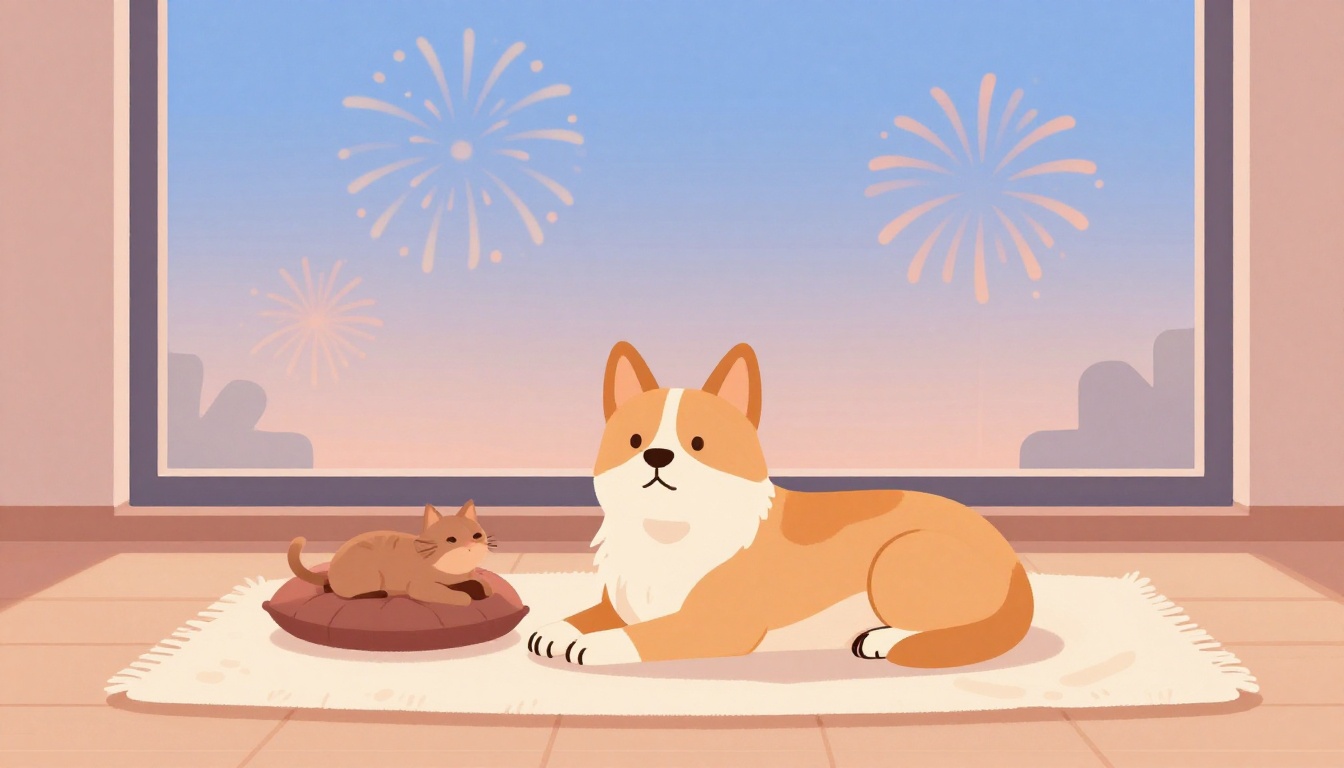
Picture this: fireworks explode outside, and your dog cowers under the bed, tail tucked tight. Or your cat darts into the closet, eyes wide with panic. About 40 percent of dogs fear loud noises like fireworks, based on recent vet surveys from the ASPCA.
These bursts trigger real distress. Pets shake, whine, or hide because sudden booms mimic threats. You feel helpless watching them suffer during holidays like July 4th or New Year’s Eve.
Desensitization techniques offer a fix. You pair low-level fireworks sounds with treats over time. This builds calm responses. Follow this guide for simple steps. Start now in April, and your pet stays relaxed next boom.
Why Fireworks Scare Pets and How Desensitization Fixes It
Fireworks hit pets hard. The loud bangs spark a fight-or-flight response. Flashes add to the chaos, much like thunder storms. Dogs and cats evolved to fear such rumbles for survival.
Desensitization changes that. You expose them to tiny sound doses paired with good things. Treats or play create positive ties. Over weeks, full blasts lose power. Experts at the ASPCA recommend this method for lasting calm without meds. It suits dogs and cats alike.
Pets learn to stay chill. No more pacing nights away. You build confidence step by step.
Spotting the Signs Your Pet Needs Help
Watch close during noisy events. Dogs pant heavy, tuck ears back, or whine nonstop. They pace rooms or drool from stress. Some tremble or try to escape.
Cats show tail twitches, flattened ears, or dilated pupils. They hide in tight spots or hiss at shadows. Severe signs include not eating or accidents indoors.
Note these behaviors now. Track changes as you train. If panic lasts days, call your vet.
The Simple Science Making Desensitization Work
Counter-conditioning powers it. Play fireworks audio soft, then give treats right away. Your pet links noise to joy. The brain rewires fear into “treat time.”
Behaviorists report high success. For example, consistent sessions cut anxiety by half in months. Do 15 to 30 minutes daily. Patience pays off. Start early for best results.
Gear Up for Success: What You Need to Start Training
Gather basics first. You need fireworks audio tracks. Free apps or YouTube work fine. High-value treats motivate best. Pick a quiet room free from distractions.
Set a timer for short sessions. Keep a journal to log reactions. Start two to three months before holidays. Consult your vet if your pet has health issues.
Safety matters. Stop if they panic. Never push through fear.
Finding the Best Fireworks Audio for Training
Search YouTube for “fireworks sounds for dog desensitization.” Channels like RelaxMyDog offer updated 2026 playlists. Apps such as Through a Dog’s Ear provide pro tracks.
Spotify has free lists too. Mix in thunder sounds for variety. Always start at whisper volume. Test on your phone speaker first.
Picking Treats and Toys That Motivate Your Pet
Dogs love soft chicken bits or cheese. Skip kibble; use tiny high-value pieces. Cats go for freeze-dried tuna or liver treats.
Portion small to avoid upset stomachs. For play, dogs fetch balls; cats chase wand toys. Match rewards to what excites them most.
Follow This 5-Step Plan to Desensitize Your Pet
Stick to this plan three to five days a week. Sessions last 10 to 20 minutes. Go slow. If your pet tenses, drop volume by half. Journal every time.
Fido, for instance, got treats per boom at first. He soon lounged happy. Adjust for cats with quick tosses.
Step 1: Introduce Sound at Barely Hearable Levels
Play audio so faint you barely hear it. Toss treats often, even without sounds. Do five to 10 minutes daily for week one.
Your pet should ignore it or stay relaxed. Praise calm vibes. No reaction means success.
Step 2: Build Positive Vibes with Rewards
Time treats to each sound cue. Use jackpots: extra bits for extras. Watch body language. Loose tail or wagging shows progress.
Play during meals too. This ties noise to good routines.
Step 3: Slowly Crank Up the Volume Over Weeks
Wait until they stay happy at one level. Then boost 10 to 20 percent. Spend one to two weeks per step.
Add light flashes from a phone later. Test tolerance weekly.
Step 4: Mix in Real-Life Practice Runs
Vary audio clips now. Add walks with faint playbacks. Dim lights to mimic night.
Test monthly at higher levels. Keep rewards flowing.
Step 5: Maintain Gains and Fade Treats
Reach full volume tolerance. Reward occasionally after. Refresh sessions before events.
Celebrate with play. Your pet stays solid.
For more on steps, check the AKC’s counter-conditioning guide.
Handle Setbacks and Boost Results on Fireworks Night
Setbacks happen. Push volume too fast, and fear returns. Miss sessions, progress stalls. In multi-pet homes, separate training.
Use backups like pheromone diffusers. Create a cozy den with blankets. Exercise pets early that day.
On the night, run white noise. Close curtains tight. Stay calm; they sense your vibe. Puppies learn quick; seniors need gentler paces.
Quick Fixes if Training Hits a Snag
Spot lip licking or avoidance? Pause right away. Drop volume lower next time.
Restart slow. Patience rebuilds trust. Most bounce back fast.
Game-Changing Supports for Dogs Versus Cats
Dogs benefit from ThunderShirts in 2026 models with better fit. Cats love hideouts scented with their bedding.
Add Adaptil collars for dogs or Feliway for cats. These pair well with training.
If severe anxiety persists, vets prescribe meds short-term.
Desensitization delivers calm holidays. Start with soft sounds and treats today. Your dog wags through booms; your cat purrs steady.
Pets thank you with trust. Grab free audio now. Share your wins in comments. Pin this for next July 4th.
What signs does your pet show? Try step one this week.