Imagine coming home from a snowy walk to find your dog limping. His paws bleed a little. Red, cracked pads sting from city salt. You scoop him up fast.
This scene plays out often in US winters. Road salt and ice melt burn sensitive paw skin. Vets treat thousands of pets yearly for these injuries. Snowy sidewalks turn fun outings into pain.
You can stop this. Simple steps like balms and booties keep paws safe. Clean them after walks too. Follow these tips, and your pet stays happy on icy paths.
Unpack the Hidden Dangers Salt and Ice Bring to Sensitive Pet Paws
Salt and ice hurt pet paws in sneaky ways. Road salts dry out skin fast. They act like soap on a fresh cut. Pads crack open. Infections follow.
Dogs and cats face the same risks. Paws lack thick protection. Cold air worsens it all. Slips add joint strains.
Spot trouble early. Your pet licks paws too much. Redness shows up. Limping starts. Cracks appear like dry earth.
Choose walks wisely. Stick to plowed paths with less salt buildup. Grassy spots work better after storms. These habits cut dangers right away.
Road Salt’s Corrosive Bite on Paw Skin
Road salt pulls water from paw pads. Skin dries and splits. Bacteria sneak in. Pads turn raw and red.
Common types include rock salt and calcium chloride. Cities spread them heavy after snow. Your pet steps right into the mess.
Look for signs soon after walks. Excessive licking means irritation. Pets avoid putting weight down. Vets note case spikes post-storm.
Skip high-salt streets when possible. Parks often use sand instead. For more on safe deicers, check this ASPCA guide on winter chemicals.
Ice’s Freezing Grip and Slippery Surprises
Ice chills paws to the bone. Frostbite sets in quick on exposed pads. Pads pale and numb.
Melted ice refreezes into sharp edges. They slice skin like glass shards. Slips twist ankles or knees.
Shivering signals cold stress. Cuts show blood. Differentiate chill from cuts by touch. Cold pads warm up. Injuries stay sore.
Shorten walks on glare ice. Indoor play keeps everyone safe until paths clear.
Shield Paws Before Walks with Easy Protection Tricks
Prep beats problems every time. Start with barriers on paws. They block salt and cold.
Balms form a shield. Booties give full cover. Pick what fits your pet’s style.
Apply protection 30 minutes before heading out. Reapply if snow soaks through. These steps make walks worry-free.
Test small areas first. Watch for allergies. Comfort matters most.
Natural picks like coconut oil help too. Use it light, though. It melts in warmth.

Paw Balms and Waxes as Your First Line of Defense
Clean paws dry first. Rub balm thick between pads and tops. Let it soak 10 minutes.
Good ones have shea butter and vitamin E. They heal and repel water. Brands like Musher’s Secret work well. Or mix your own with beeswax.
Balms stop salt from sticking. Paws stay moist. No cracks form.
For top picks, see AKC’s review of paw waxes. Patch test overnight. Stop if rash appears.
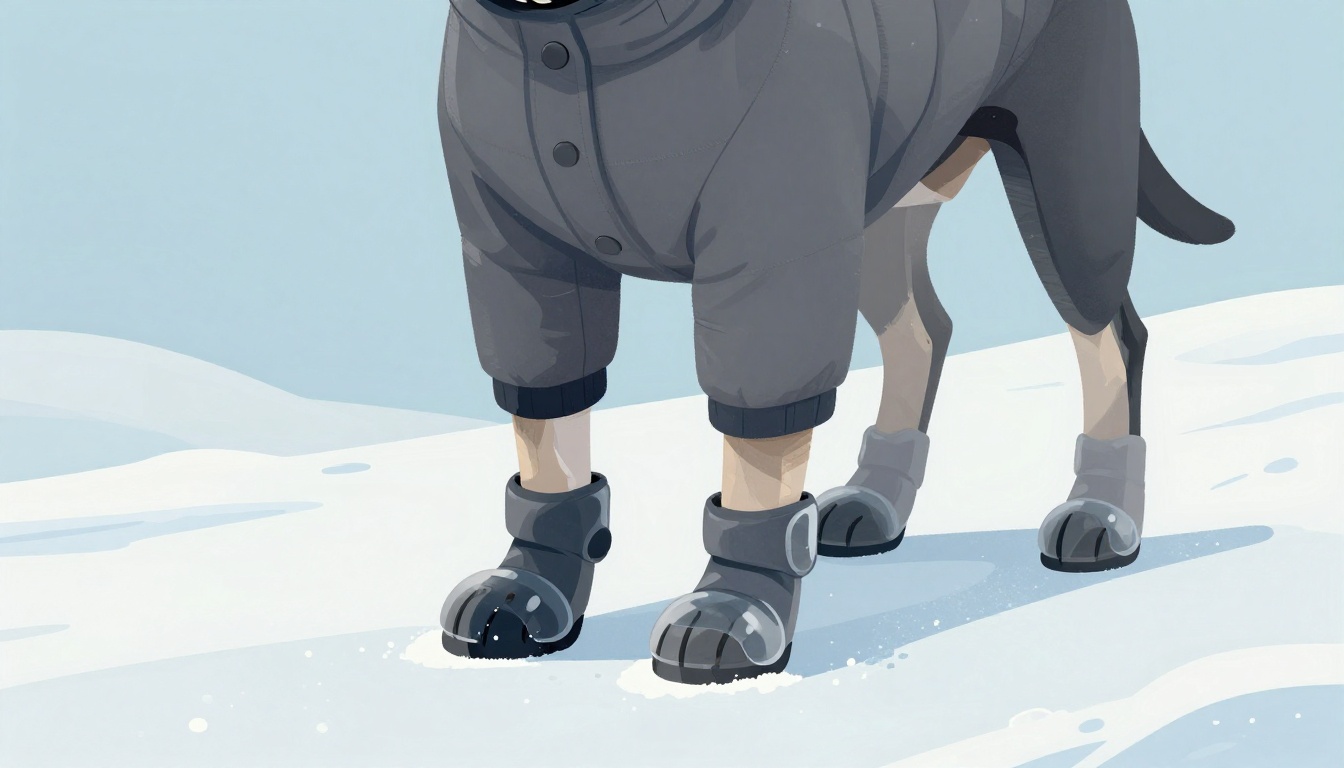
Master Dog and Cat Booties for Total Coverage
Measure paws tip to heel. Add space for thick socks inside. Rubber soles grip ice best.
Train with treats. Put one on, praise lots. Build to all four. Short sessions speed it up.
They slip less on salt. Wash after each use. Dry full before next time.
Cats need soft fits. Velcro straps hold secure. Pets learn to love them fast.
Build a Quick Post-Walk Routine to Rinse and Restore Paws
Rinse salt off right away. Buildup burns over time. Make it habit after every outing.
Use lukewarm water only. Pet wipes speed solo walks. Dry well next.
Check paws daily. Short walks save stress on bad days. Potty pads inside help.
This routine heals minor woes. Paws bounce back strong.
Fast Salt-Removing Rinse That Takes Under 2 Minutes
Fill a bucket with room-temp water. Add diluted apple cider vinegar. One part vinegar to four water.
Dip paws or wipe gentle. No hot water. It opens cuts worse. Skip human soap too.
For heavy salt, soak two minutes. Rinse clean. Pat soft.
Dry and Moisturize to Lock in Paw Health
Towel dry between toes first. Air dry the rest. Heat dries too fast.
Reapply balm light. Massage in. Epsom salt soaks once weekly ease soreness.
Moist paws resist cracks better. Night checks catch issues early.
Spot Trouble Early and Know When to Rush to the Vet
Inspect paws daily. Lift each one. Check pads, nails, toe webs.
Red flags include bleeding or pus. Bad smells mean infection. No better in a day calls for help.
Home care limits to mild cases. Vets prescribe antibiotics or wraps for bad burns.
Rush in for swelling or fever. Limps lasting hours need x-rays sometimes.
Prevention wins always. Catch small signs fast. For vet advice, read AVMA’s paw injury tips.
Your eyes spot changes first. Act quick.
Happy tails wag free when paws stay tough. Balms and booties shield before walks. Rinses clean after. Checks keep all safe.
Start one tip today. Grab balm or wipes now. Before next freeze hits, you prepare.
Share your pet’s winter paw wins in comments. What works best for you? Paws protected mean more snowy fun ahead.