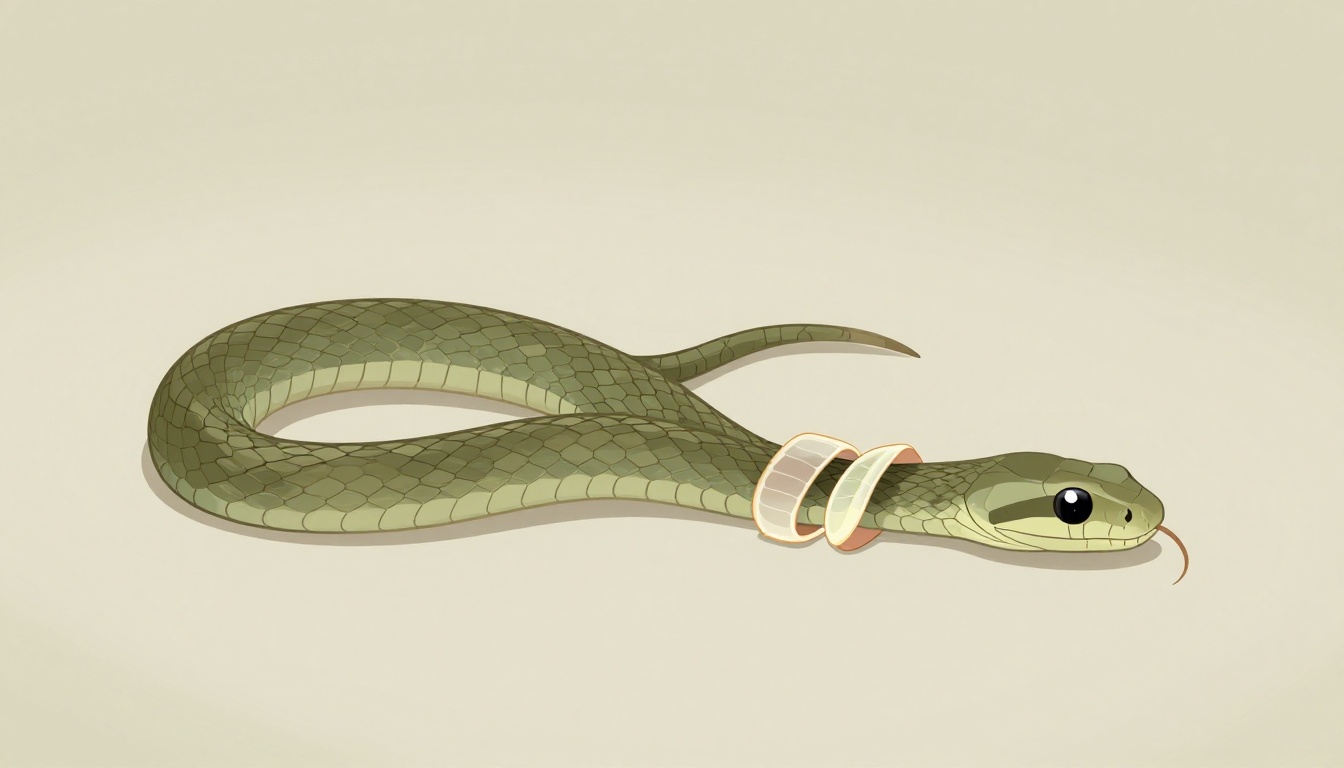
Picture this. You bring home your first snake. A few weeks later, it looks dull, hides all day, and refuses food. Panic sets in. Is it sick? Relax. That’s often reptile shedding, or ecdysis. Reptiles ditch their old skin to grow, much like you outgrow tight shoes.
This process keeps your pet healthy. It repairs wear and clears parasites. Yet beginners spot trouble where none exists. Low humidity or stress can snag it, though. In this guide, you’ll learn the shedding basics, step-by-step stages, problem signs, and easy fixes. By the end, you’ll spot normal cycles and boost your reptile’s comfort.
What Is Reptile Shedding and Why Is It Essential for Their Growth?
Reptiles shed because their skin doesn’t stretch. Unlike yours, it stays rigid. So they replace the whole outer layer now and then. This lets them grow bigger. It also fixes scratches from rough hides or branches.
Ecdysis heals minor damage. It removes built-up dirt and parasites too. Some species shed because of seasonal changes, like cooler weather. Babies shed more often, maybe every month. Adults slow to once or twice a year. Factors like diet and tank setup play a role.
Snakes drop skin in one long tube. Lizards flake off patches. Turtles lose scutes from their shell. Each style fits their body. Think of it like sunburned skin peeling after a beach day. The new layer underneath gleams fresh and bright.
For deeper info on why this matters, check Reptiles Magazine’s shedding overview.
How Shedding Differs Between Snakes, Lizards, and Turtles
Snakes start at the head. They rub their nose on rocks until the skin loosens. Then it slides off inside out, like pulling off a sock. A perfect shed leaves a full tube behind.
Lizards shed in bits. Chunks fall from legs, body, or tail. You might find flakes in the substrate. Their skin overlaps in scales, so it breaks apart easier.
Turtles shed slowly. They lose beak edges or shell scutes over days. No big drama. These patterns match skin structure. Snakes have loose layers. Lizards grip rough surfaces. Turtles grow steadily under hard plates.
Normal differences reassure you. A leopard gecko flakes normally. A ball python tubes cleanly. Watch your pet’s habits to know what’s right.
The Step-by-Step Stages of a Normal Shed Cycle
Every shed follows patterns, but timelines vary. Young snakes cycle every 2-4 weeks. Adults every 4-6. Humidity and heat speed or slow it. Track signs to stay calm.
First comes proecdysis. Skin dulls over 7-14 days. Eyes cloud up. Then ecdysis hits fast. Skin slips off. Post-shed brings shine. Recovery finishes the loop. Spot these, and you’ll predict success.
Stage 1: Early Warning Signs Like Dull Skin and Cloudy Eyes
Dull skin signals start. Colors fade to gray or pink. Your reptile hides more. Appetite dips because focus shifts inside.
Snakes get milky eyes from fluid under caps. Lizards rub itchy spots. Lasts a week or two. Confirm by checking humidity. If levels hold steady, shed comes soon. Illness rarely mimics all cues at once.
Meanwhile, provide quiet. Extra moisture helps. These signs mean growth, not worry.
Stage 2 and 3: The Big Shed and Beautiful Reveal
Ecdysis brings action. Snakes rub heads on rough spots. Skin loosens from snout back. It inverts as they crawl out. Takes hours, not days.
Perfect sheds leave full tubes. Partial ones drop in pieces, still okay for most. Fresh skin shines. Colors pop brighter. Scales sit crisp.
Post-shed, your pet perks up. Eats big meals. Looks vibrant. Celebrate the glow-up. If bits linger, check next section.
Spotting Trouble: When Is Shedding a Sign of Bigger Problems?
Normal sheds thrill. Bad ones, called dysecdysis, hurt. Stuck skin on toes or tail constricts blood flow. Eyes stay capped, risk infection. Act fast.
Partial sheds happen. Bits on safe spots clear alone. Trouble lingers weeks. Causes tie to care gaps. Fix habitat first. Vets handle rest.
Learn triggers. Spot flags. Save toes or eyes.
For vet advice on dysecdysis, see this Association of Reptile Veterinarians page.
Top Causes of Stuck Shed in Pet Reptiles
Low humidity tops the list. Most need 50-70%. Dry air cracks skin.
Wrong temps slow cycles. Keep gradients right, like 85-95°F basking.
Bad substrate traps moisture unevenly. Aspen or cypress works best.
Stress from moves or lights disrupts. Mites irritate too.
Vitamin A shortages weaken skin. Feed carrots or liver sparingly.
- Dry air: Below 50% fails most species.
- Poor heat: Cycles stall.
- Rough handling: Tears skin.
Boost humidity. Results follow quick.
Red Flags That Need Vet Help Right Away
Retained eye caps blind snakes. Rubbing worsens scars.
Constricted toes swell. Skin pinches tight. Loss follows without cuts.
Lethargy plus stuck shed screams infection. Refusal to eat weeks post-shed too.
Home soaks help mild cases. Vets debride bad ones. Call if no progress in days. Better safe.
Proven Ways to Help Your Reptile Shed Smoothly Every Time
Prevention beats fixes. Match habitat to species. Ball pythons crave 60%+ humidity. Crested geckos need mist twice daily.
Soak in shallow lukewarm water 10-15 minutes weekly. Helps loosen. Add hides with damp moss.
Mister bottles work. Aim for cycles without force. Rough branches aid rubbing.
Feed right. Dust roaches with calcium. Offer vitamin A via greens or gut-loaded feeders.
Check enclosure monthly. Thermometers, hygrometers everywhere. Gradients matter.
- Set humidity gauge. Adjust daily.
- Mist mornings.
- Soak pre-shed.
- Watch progress.
Your routine pays off. Sheds turn routine joys.
See PetMD’s humidity guide for reptiles for species charts.
Wrap-Up: Master Ecdysis and Keep Your Reptile Thriving
Shedding signals health. Know stages from dull eyes to shiny reveal. Catch stuck bits early with humidity tweaks and soaks. Optimize habitat for smooth cycles.
You’ll spot normal from trouble now. Enjoy that post-shed glow. Observe closely. Your pet thanks you.
Share your shed stories in comments. What helped your snake? Subscribe for more care tips. Grab our free humidity checklist below.
(Word count: 1487)