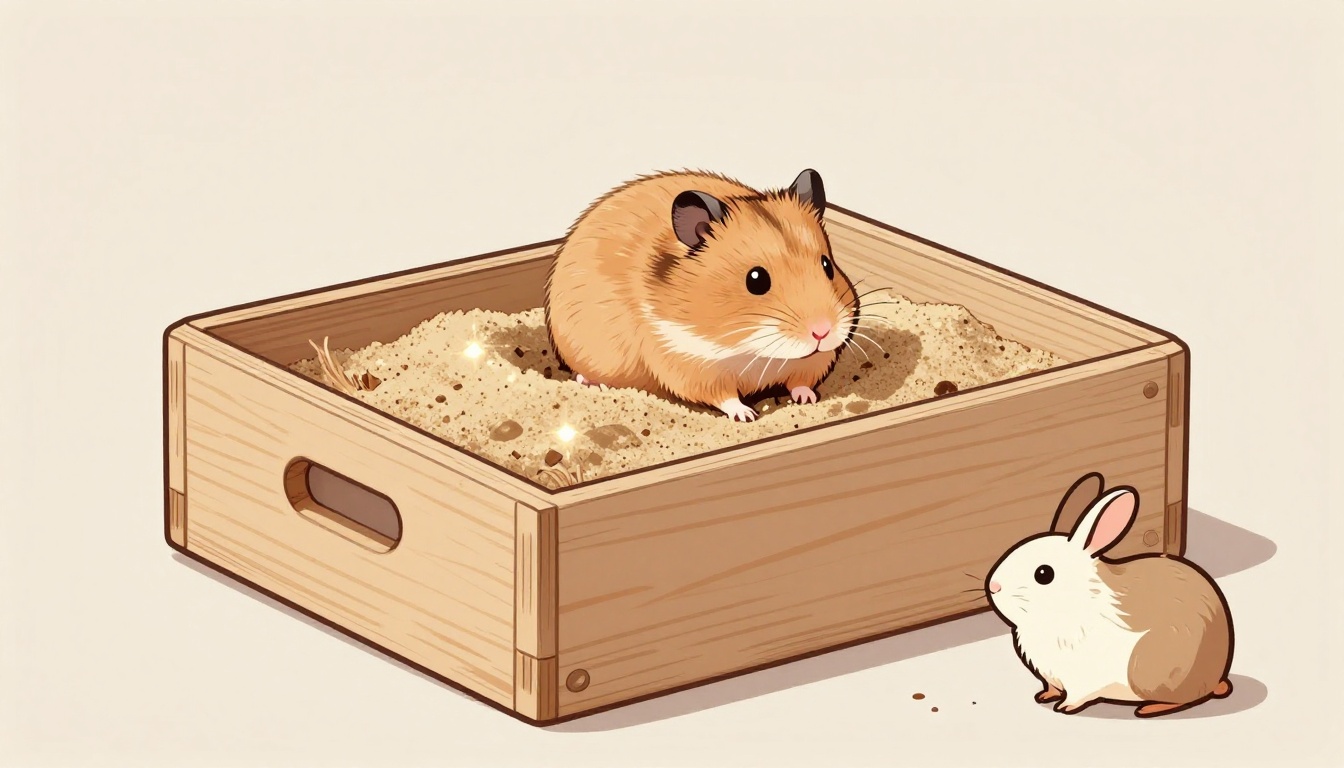
Picture your hamster burrowing deep into soft sand, cheeks stuffed with treasures. That joyful digging mimics their wild instincts. Small mammals like hamsters, gerbils, rabbits, and chinchillas crave this activity.
A DIY dig box fills that need. It offers a safe space for natural behaviors. These pets dig to relieve stress, exercise muscles, and fight boredom. Mental stimulation keeps them healthy and happy.
You’ll build one under $30 with pet-safe materials. This guide covers safe soil choices, supplies, steps, and maintenance. Follow along for a quick project that boosts your pet’s well-being.
Picking the Perfect Safe Soil for Happy Digging
Soil safety tops the list. Harmful dust or chemicals cause respiratory issues or toxicity in small lungs. Choose dust-free options to protect your pet.
Washed play sand works best for realism. It’s child-safe, fine-grained, and perfect for burrows. However, sift it weekly to remove waste. Pet stores sell bags for $10.
Coconut coir offers a natural alternative. This fiber holds moisture well and stays dust-free. It mimics tropical soils gerbils love. Soak and fluff it before use.
Organic topsoil suits rabbits. Pick brands without fertilizers or pesticides. Check labels closely. It provides nutrients but compacts over time.
Reptile substrates like Zoo Med Excavator Clay harden for tunnels. Test small amounts first for small mammals. Avoid cedar or pine shavings; they irritate skin.
Garden soil often hides chemicals, so skip it. Clay clumps and causes impaction. Always prioritize pet-specific products.
Prep your soil by baking it at 200°F for 30 minutes. This kills bacteria. Aim for 50-75 pounds in a standard bin. Your pet will dig for hours.
For more on substrate safety, check PetMD’s guide to small pet digging needs.

Gathering Simple Supplies for Your Dig Box Build
Start with basics. A large plastic storage bin forms the base. Pick a 66-quart Sterilite model, at least 12 inches deep. It costs about $8 at Walmart.
You’ll need safe soil from the last section. Add a drill for ventilation holes. Gloves protect your hands. A dustpan helps with cleanups.
Optional items include hide toys or tunnels. Skip anything chewable that leaks.
Dollar stores stock bins and tools cheap. Amazon delivers soil fast. Total spend stays under $30.
Wood bins work too. Line them to stop chewing and leaks. Plastic proves easier for beginners.
Here’s a quick shopping list:
| Item | Quantity | Approx. Cost (USD) |
|---|---|---|
| Plastic storage bin | 1 | $8 |
| Safe soil (50 lbs) | 1 bag | $15 |
| Drill bits | Set | $5 |
| Dustpan and gloves | 1 each | $2 |
This table keeps costs low. Adjust for your setup. The setup encourages play without breaking your budget.
For bin ideas, see The Spruce Pets’ hamster digging recommendations.
Sizing It Right for Your Pet’s Breed
Match size to your pet. Hamsters and gerbils need 30-50 quart bins. They burrow 8-10 inches deep.
Dwarf rabbits or multiples require 66+ quarts. Depth allows real tunnels. Width gives room to romp.
Bigger prevents frustration. One animal gets space twice its body length. Groups need extra.
Easy Step-by-Step Build Guide Anyone Can Follow
Building takes under 30 minutes. Anyone handles it. Follow these steps.
- Clean and dry the bin. Wipe with mild soap. Rinse well.
- Drill 10-20 small holes. Poke them in the lid and upper sides. Add bottom-side holes for drainage. Skip the base to block escapes.
- Fill with 8-12 inches of safe soil. Mix layers if using sand and coir. Fluff the top.
- Plant wheatgrass or safe edibles. They add foraging fun.
- Set in a quiet cage spot. Supervise the first session.
Troubleshoot clumps by sifting more often. Holes prevent mold.

Customizing with Fun Burrow Boosters
Boost appeal with PVC pipe tunnels. Bury them halfway. Add edible chews like willow sticks.
Leaf litter adds realism. Scatter safe, pesticide-free types. Avoid sharp objects or toxics.
These tweaks spark curiosity. Rotate items weekly.
First Playtime: How to Introduce Safely
Watch closely at first. Look for over-digging or stress signs like hiding.
Place water nearby. Transition from old bedding slowly. Mix in the new soil over days.
Pets adjust fast. Praise calm digging.
Avoiding Pitfalls and Keeping It Pet-Safe Long-Term
Skip ventilation at your peril. Mold grows in damp soil. Unsafe soils lead to impaction blocks.
Tiny bins frustrate diggers. They chew escapes instead.
Check for allergies weekly. Sneezing or lethargy signals a swap. Consult vets for exotics.
Match to pet needs always. Small Pet Select details safe substrates here.
Weekly Maintenance Routine That Takes Minutes
Sift the top layer daily. It takes two minutes. Refresh fully monthly.
Rotate toys for interest. Compost used soil if chemical-free.
Spot-clean preserves scents. Your pet stays happy.

Build that dig box today. Your small mammal gains exercise, stress relief, and joy from natural digging. Key steps include safe soil picks, proper sizing, and quick maintenance.
Share your pet’s digging photos in the comments. Subscribe for more DIY pet tips. Try our safe bedding guide next.
What breed digs deepest in your home?
FAQ: Can ferrets use it? Yes, with close supervision to avoid ingestion.