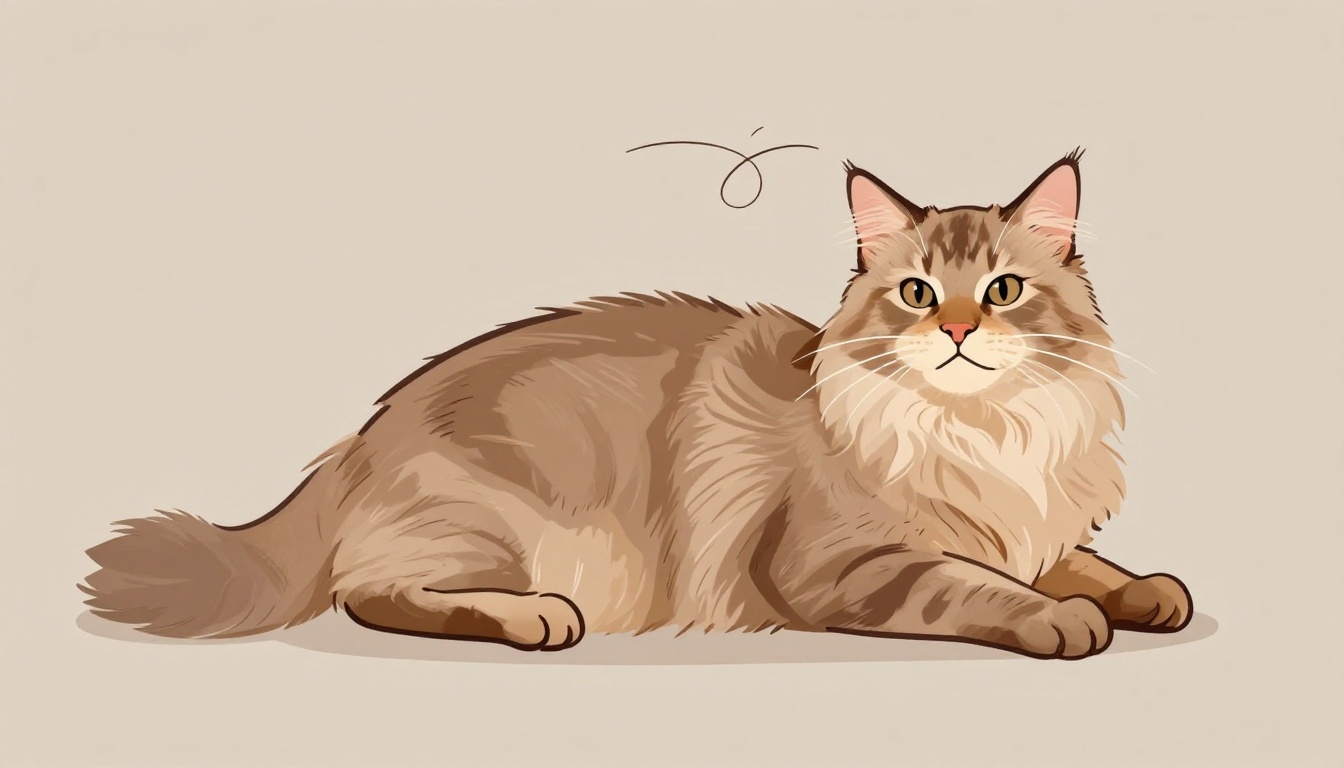
You’ve stepped in one too many slimy hairballs on the carpet, haven’t you? Or maybe you cringe every time your long-haired cat like a Persian or Maine Coon starts that telltale hacking cough. These moments hit hard for cat owners who love their fluffy companions but dread the mess and worry.
Hairballs form when cats groom themselves and swallow loose fur. That fur clumps in the stomach or intestines, creating those nasty expelled masses. Long-haired breeds suffer more because they ingest so much fur during daily grooming; vets note they can swallow up to 20% of their body weight in fur yearly. As a result, hairballs become frequent, sometimes causing discomfort or blockages if ignored.
You don’t need pricey meds or vet trips every time, though. Natural methods to manage hairballs in long-haired cats naturally prove safer, cheaper, and promote overall better health. They focus on prevention through simple changes you control.
In the sections ahead, you’ll learn to grasp the root issue first. Then, pick up grooming tips that cut fur intake. Next, tweak your cat’s diet for smoother digestion. After that, try easy home remedies. Finally, know when to call the vet. Let’s dive in and keep those hairballs at bay.
Spot the Hairball Trouble Early in Your Long-Haired Cat
Catching hairball issues early saves your long-haired cat from discomfort or worse, like intestinal blockages. During grooming, cats swallow loose fur that clumps in the stomach. Long-haired breeds ingest more because their thick coats shed constantly. As a result, those clumps grow larger and harder to pass.
Imagine spotting the problem before your cat hacks endlessly or skips meals. You shift from reaction to prevention. Start monitoring the litter box daily for fewer stools or straining. Weigh your cat weekly too; sudden drops signal trouble. These simple checks keep things under control.
Top Breeds That Need Extra Hairball Help
Certain long-haired breeds face higher risks from their coat types. Thick undercoats and dense fur lead to more swallowed hair. Regular grooming cuts that intake. Each breed below needs specific care, plus one natural tip to ease passage.
- Persian: Their flat face and fluffy double coat trap loose fur easily. Brush daily to remove undercoat. Mix in a teaspoon of plain pumpkin daily; its fiber helps fur move through.
- Maine Coon: Massive size comes with a long, water-resistant outer coat that sheds in tufts. Groom three times weekly with a slicker brush. Switch to wet food; extra moisture softens hairballs.
- Ragdoll: Silky, semi-long fur mats if ignored, boosting ingestion. Brush twice weekly, focusing on belly. Add fish oil capsules; omega-3s lubricate the gut.
- Siberian: Triple coat sheds heavily in seasons, filling stomachs fast. Daily combing prevents mats. Offer fresh cat grass; chewing adds roughage to expel fur.
- Norwegian Forest Cat: Thick, water-repellent fur needs weekly deep brushing. Use a natural bristle brush. Grate a bit of fresh ginger into meals; it aids digestion gently.
- Birman: Medium-long silky coat with points hides shedding. Brush every other day. Drizzle olive oil over kibble; fats promote smooth elimination.
Owners of these breeds often see hairballs weekly without care. Pick tools suited to the coat, and your cat stays happier.
Everyday Signs Your Cat Needs Hairball Relief
Watch for these hairball signs in long-haired cats. Occasional ones count as normal from grooming. Frequent or severe ones mean worry; act fast to avoid dehydration or blockages. Here’s what to spot first:
- Frequent hacking or retching: Your cat makes a deep cough sound to expel fur. Normal once a month. Worry if daily; brush more and add water to food right away.
- Tube-shaped vomit: Slimy, cigar-like masses appear on the floor. Normal occasionally. Worry with blood or foam; withhold food 12 hours, then offer bland chicken broth.
- Constipation: Fewer or hard stools in the litter box. Normal after dry food binges. Worry if no poop in 48 hours; increase wet food and fiber like pumpkin.
- Loss of appetite: Cat skips meals or picks at food. Normal for a day. Worry if ongoing; check gums for dehydration and consult your vet if no improvement.
- Lethargy or hiding: Less play, more sleeping in odd spots. Normal post-groom. Worry with weakness; monitor temperature and ensure fresh water.
- Weight loss: Scales show a drop over weeks. Normal in old age. Worry suddenly; track intake and add calorie-rich treats like tuna juice.
- Swollen belly: Taut abdomen feels firm. Normal after big meals. Worry if painful to touch; skip food and call vet same day.
- Diarrhea with fur strands: Loose stools laced with hair. Normal rare. Worry persistent; probiotics from yogurt help first.
Spot these early, and natural fixes work best. Your vigilance prevents vet bills. For more on cat health basics, check the ASPCA’s guide to hairballs. Keep notes on patterns to stay ahead.
Groom Smart to Slash Hairballs in Your Fluffy Friend
Grooming stands out as the top natural way to fight hairballs in long-haired cats. You remove loose fur before your cat swallows it during self-grooming. This simple habit also builds a stronger bond between you two and leaves their coat shiny and healthy. Studies show regular brushing cuts hairball incidents by up to 70%, so your efforts pay off fast. Best of all, you control it at home with the right routine.
Best Brushes and Tools for Long Fur
Pick cat-safe tools designed for long hair to make grooming easy and effective. Focus on options under $20 from trusted spots like Amazon or Chewy. Natural fiber brushes work great because they mimic fur and reduce static. Here are five solid picks with quick pros and cons.
| Tool | Pros | Cons | Price & Where to Buy |
|---|---|---|---|
| Hertzko Slicker Brush | Grabs undercoat fast; gentle pins prevent skin pulls. | Can snag mats if not used lightly. | $13 on Amazon |
| Safari Metal Cat Comb | Removes tangles precisely; double-sided for fine work. | Needs slow strokes on sensitive areas. | $8 on Chewy |
| Delomo Pet Grooming Glove | Fits hand like a glove; catches fur while petting. | Less effective on thick mats. | $15 for pair on Amazon |
| Bass Brush Natural Boar Bristle | Soft natural fibers polish coat; adds shine without oils. | Takes longer for heavy shedding. | $18 on Chewy |
| FURemover Deshedding Tool | Pulls out 90% loose fur; rubber edges massage skin. | Rinse often during use. | $17 on Amazon |
Start with a slicker or glove for daily use. These tools target grooming long-haired cats hairballs prevention head-on. Your cat stays comfy, and floors stay clean.
Step-by-Step Brushing Routine That Works
Set up a daily 10- to 15-minute session to keep hairballs away. Do it in a quiet spot where your cat feels safe. Brush gently in the direction of fur growth to avoid irritation. Adjust for seasons: more often in spring and fall when shedding peaks.
- Prep your cat: Sit on the floor or lap. Offer a treat first so they associate it with fun. Kittens learn best early, so start young.
- Start with the back: Use long, smooth strokes from neck to tail base. This area collects most loose fur. Focus here five minutes daily.
- Move to sides and belly: Lift fur gently; belly skin stays sensitive. Stroke lightly with a glove or soft bristle. Two minutes max.
- Tackle tail base and legs: Brush upward to grab undercoat. Tail base mats easy, so go slow. One minute each side.
- Finish with comb: Run a wide-tooth comb over everything. Check for snags and reward with play or treats.
Bathe monthly with a natural oatmeal shampoo like Burt’s Bees for Cats to loosen dirt without drying skin. Watch a quick demo on YouTube grooming tutorial for visuals. Don’t over-brush, though; it stresses skin and causes more shedding. If your cat squirms, stop and try later. Stick to this, and hairballs drop fast.
Feed for Fewer Hairballs with These Diet Swaps
Your long-haired cat swallows plenty of fur each day. That fur needs help to pass through the gut smoothly. Natural diet swaps for cat hairballs focus on fiber and moisture. These changes bulk up stools and soften clumps, so hairballs exit easier. Vets say fiber boosts gut motility by 30%. You see fewer hacks and cleaner floors. Best part? These tweaks cost little and fit any routine. Start slow over a week to avoid tummy upset.
Fiber Boosters You Can Add Today
Fiber sweeps fur along like a broom in the intestines. It adds bulk without calories. Plain canned pumpkin tops the list because it works fast and tastes good to cats. For a 10-pound cat, mix in 1 teaspoon daily. Double that for 20 pounds, but never exceed 1 tablespoon. Always use pure pumpkin, not pie filling with sugar.
Sweet potatoes help too. Cook and mash a teaspoon for small cats. Steam green beans and chop finely; offer a few pieces as treats. Psyllium husk powder shines for tough cases. Stir 1/8 teaspoon into wet food daily. These add-ins prevent blockages naturally.
Here’s a quick guide to amounts by weight:
| Cat Weight | Pumpkin (daily) | Psyllium Husk (daily) | Other Veggies |
|---|---|---|---|
| 5-10 lbs | ½ tsp | Pinch | 1-2 tbsp chopped |
| 11-15 lbs | 1 tsp | ⅛ tsp | 2-3 tbsp chopped |
| 16+ lbs | 1½ tsp | ¼ tsp | 3-4 tbsp chopped |
Mix toppers into meals warm. Your cat eats them up. Try this DIY hairball topper recipe: Blend 2 tablespoons pumpkin, 1 teaspoon olive oil, and a dash of water. Spoon over kibble. Fish oil capsules add omega-3s for healthier coats, so less fur sheds. Poke one open over food twice weekly. Owners report 50% fewer hairballs in weeks. Check PetMD’s tips on fiber for cats for more proof.
Portion control matters. Overfeed leads to obesity, which worsens hairballs. Weigh food daily. Hydration helps too; add water to dry kibble or get a cat fountain.
Wet Food Wins for Hairball-Prone Cats
Wet food keeps your cat hydrated, so fur softens in the gut. Aim for 70% wet in the diet. Dry kibble dries out clumps; moisture fights that. Many brands pack natural fiber too. Your cat drinks less from bowls but stays plenty wet inside. Litter clumps better, saving cash on refills.
Pick grain-free wet foods like Tiki Cat After Dark. It mimics prey with high protein and moisture. Wellness CORE Chicken Turkey uses real meat, no fillers. Instinct Original Grain-Free Pate adds pumpkin for extra fiber. Feed 3-4 ounces daily per 10 pounds body weight, split into meals.
These save money long-term. A 5.5-ounce can costs 20 cents per ounce. Bulk buys drop it to 15 cents. Dry food litters more; wet cuts waste 30%. Transition over seven days: mix 25% wet day one, increase daily.
Cats love the smell and texture. Fur passes easier because hydration plumps stools. No need for commercial hairball treats; real food does better. See Cornell Feline Health Center on wet food benefits for vet insights.
Quick Natural Fixes When Hairballs Strike
Hairballs hit suddenly, so you need fast natural hairball remedies for cats that work at home. These quick fixes offer relief when your long-haired cat hacks or strains. They lubricate fur clumps or move them along, but use them for occasional issues only. Grooming and diet changes from earlier sections prevent most problems. These steps complement that routine. Always start small; watch for vomiting or diarrhea. If signs last over 48 hours, call your vet. These aren’t substitutes for professional care. Many owners swear by them because they ease discomfort without drugs.
Oil Remedies That Lubricate and Ease Passage
Oils coat hairballs like a slick slide, helping them pass smoothly. Coconut oil melts in the mouth and adds healthy fats. Give 1/4 teaspoon daily to a 10-pound cat for three days max. Stir it into wet food so your cat laps it up. Olive oil works similarly; use the same dose, but twice weekly to avoid loose stools. Fish oil capsules provide omega-3s; poke open one small capsule over meals every other day. Aloe vera juice needs vet okay first; dilute 1/2 teaspoon in water daily.
Flaxseed offers gentle laxative effects. Grind 1/8 teaspoon fresh and mix into food. Frequency stays key: limit to short bursts during hacks. Safety first; too much causes tummy upset. One owner shared how her Maine Coon stopped retching after two days of coconut oil. Another saw her Persian pass a big clump with olive oil plus pumpkin.
Try this simple recipe for an oil blend:
- Warm 1 teaspoon coconut oil until liquid.
- Mix in 1/2 teaspoon olive oil.
- Add to 2 ounces wet food; serve warm.
For details on safe use, see PetMD’s guide to coconut oil for cats. These beat gels for natural fans.
Massage and Play Tricks to Help Fur Move
Massage stimulates the gut, pushing fur forward like kneading dough. Combine it with play to cut stress, which worsens retention. Start belly rubs when your cat relaxes after eating. Lie them on their back gently; use your fingertips in circles from chest to hind legs. Do this for two minutes, twice daily. Press lightly; stop if they squirm. This boosts circulation and eases constipation.
Play distracts from over-grooming too. Toys like feather wands tire them out, so they lick less. Laser pointers work great; chase for 10 minutes post-meal. Puzzle feeders slow eating and add movement. Avoid balls that encourage chasing own tail, as that mats fur.
Owners mix rubs with wand play; one said her Ragdoll passed fur easier after sessions. Do rubs before oils for best flow. In short, these tricks move things naturally while bonding.
Know When Natural Methods Aren’t Enough
Natural fixes handle most hairballs in your long-haired cat. They prevent issues and ease mild ones. However, some signs demand a vet visit right away. You spot trouble fast, so your cat avoids pain or blockages. Trust your gut; better safe than sorry. In short, know when to vet hairballs cats to keep them thriving.
Red Flags That Demand a Vet Trip Now
Certain symptoms go beyond home care. They signal blockages, dehydration, or worse. Act within hours if you see these. Your quick call saves lives.
- No poop for 48 hours: Straining hurts; blockages build pressure fast. Add water first, but rush to vet if no change.
- Bloody vomit or stool: Bright red means injury inside. Stop food; head to clinic same day.
- Swollen, painful belly: Feels hard or tender to touch. Could trap fur dangerously.
- Sudden weight loss: Drops over days signal poor absorption. Weigh weekly to catch it.
- Extreme lethargy: Cat hides, won’t eat, or weakens. Check gums; pale means dehydration.
Vets stress these as emergencies. For example, one study shows 10% of severe hairballs need surgery without prompt care. See the ASPCA’s emergency signs for cats for more details.
What Vets Do First and How It Fits Your Plan
Vets start with exams and history. They feel the belly and check vitals. Often, they suggest natural steps like fluids or enemas before drugs. Then, integrate their plan: keep grooming daily, add pumpkin ongoing. Follow up in a week.
Quick FAQ: How soon for vet if hacking lasts days? Go tomorrow. Can hairballs cause death? Rare, but yes without care.
Blend this with earlier tips. Your routine plus vet input stops repeats. Cats recover fast with teamwork.
Conclusion
Daily grooming slashes loose fur intake for your long-haired cat. Add fiber like pumpkin to meals, and keep oil remedies handy for quick relief. These steps prevent most hairballs naturally, so you avoid messes and worry.
Your fluffy Persian or Maine Coon thrives with this routine. Consistency turns hacks into rare events and keeps their coat healthy. In short, small changes yield big wins.
Try one tip this week, like a slicker brush session. Share your cat’s results in the comments below; we love hearing success stories. Grab our free hairball prevention checklist to track progress.
Picture no more slimy surprises on the floor. Your happy, healthy long-haired companion awaits. Subscribe for more natural cat care tips to manage hairballs in long-haired cat breeds naturally.