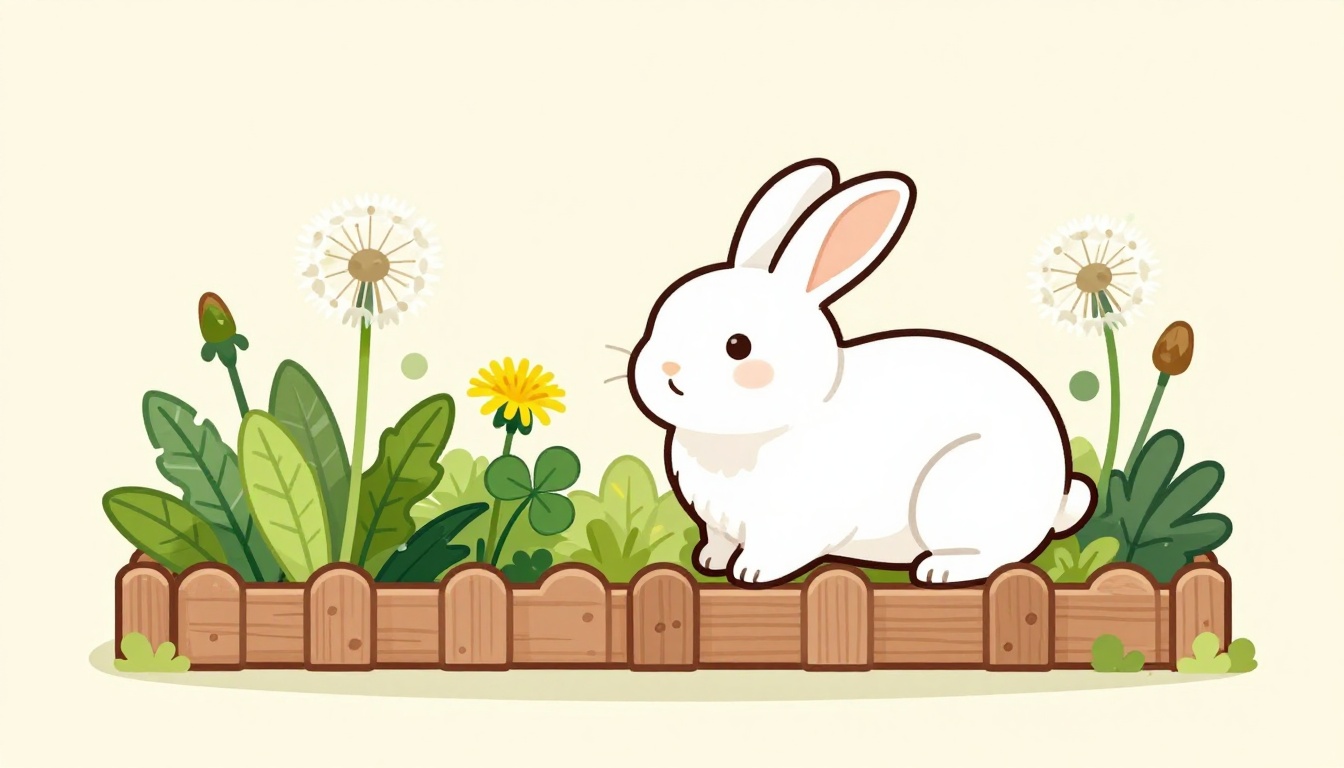
Picture your pet rabbit hopping through a patch of fresh greens. It nibbles dandelions and clover with pure delight. This natural foraging mimics life in the wild. It keeps their teeth healthy through constant grinding. Studies show up to 80% of pet rabbits face dental problems without enough chew time, according to vets at the House Rabbit Society. Foraging also fights boredom and stress. Rabbits need activity to stay fit and avoid obesity. Plus, it sparks joy since they evolved as foragers.
Yet dangers lurk without care. Toxic plants can poison them fast. Escapes invite predators. Poor setups lead to injuries. You can fix this. This guide covers safe plants, secure enclosures, setup steps, and upkeep. Start now in spring 2026. Turn your yard into a bunny paradise. Your rabbit will thank you with happy thumps.
Selecting Plants That Are Safe and Irresistible for Your Rabbit
Choose plants your rabbit loves and that boost health. Focus on high-fiber options packed with vitamins. Dandelions offer diuretic benefits. Clover adds protein. Plantain soothes digestion. These keep guts moving smoothly. Grow them from seeds this April for summer harvests. Plant densely so rabbits pick favorites naturally. Control portions at first. Too much new food upsets tummies. Introduce one type weekly.
Safe plants grow easy in most US yards. Sow seeds in loamy soil with full sun. Water gently. Avoid chemicals. For wild spots, wash leaves well. Check ASPCA’s toxic plant list to confirm safety.
Here’s a quick comparison of safe versus toxic plants common in yards.
| Safe Plants | Benefits | Toxic Plants | Risks |
|---|---|---|---|
| Dandelion | High fiber, vitamins | Foxglove | Heart failure |
| Red Clover | Protein, minerals | Nightshade | Vomiting, seizures |
| Plantain | Digestion aid | Rhubarb leaves | Kidney damage |
| Chickweed | Low calorie snack | Azaleas | Lethargy, tremors |
| Timothy Grass | Dental wear | Buttercups | Drooling, diarrhea |
This table helps you spot differences fast. Always double-check locals.
Top Forage Plants Your Rabbit Will Devour
Dandelions top the list. Rabbits eat leaves, stems, and flowers. They act as mild diuretics. Red clover boosts protein for coat shine. Broadleaf plantain calms upset stomachs. Shepherd’s purse adds iron. Goldenrod fights inflammation. Timothy grass wears down teeth perfectly. Chickweed serves as a light treat. Borage brings calcium.
Identify by leaf shape. Dandelions have jagged edges. Clover shows trifoliate leaves. Harvest young growth for tenderness. Snip above soil. Start seeds indoors now. Transplant after frost. Expect blooms by June.

Plants That Could Harm Your Rabbit: Steer Clear
Some yard weeds spell trouble. Foxglove causes heart issues. Nightshade family brings seizures. Rhubarb leaves damage kidneys. Tomato vines upset digestion. Azaleas trigger tremors. Lilies prove deadly. Buttercups cause drooling. Also watch yew and ivy.
Symptoms hit quick: lethargy, diarrhea, or odd poop. Remove these plants right away. Pull with roots. Check neighbors’ drifts. Use apps or books for ID. Test soil for contaminants first.
Crafting a Secure Enclosure Where Your Rabbit Can Roam Free
Build a pen that holds your rabbit safe. Aim for 10×10 feet outdoors. Indoors, use large trays. This space lets them dig and hop. Bury wire 12 inches deep against diggers. Top with lids for hawks. Chicken wire mesh stays at one inch gaps. DIY costs under $200. Use treated wood frames.
Weatherproof with tarps. Slope roofs for rain runoff. Add windbreaks. Supervise first outings.
Finding the Ideal Spot in Your Yard or Home
Pick sunny areas with shade later. Good drainage prevents mud. Test soil pH at 6-7. Indoors, try balconies or playpens. Avoid neighbor sprays or dog paths. Watch traffic noise too. Note where your rabbit naps most. That’s prime real estate.
Soil kits cost little at garden stores. Amend with compost.
Fencing and Features That Lock in Safety
Galvanized wire lasts years. Wooden frames hold steady. Double-latch gates stop escapes. Roof with heavy mesh or tarps. No sharp edges anywhere. Add vents for air flow. Check RSPCA’s enclosure guide for more ideas.
Dig boxes fill with sand. Tunnels from PVC pipe entertain.

Blending in Natural Hideouts and Play Zones
Bushes offer cover. Willow branches hang for chewing. Scatter rocks for hopping. Divide into zones: forage patch, dig pit, rest area. This cuts boredom. Mimics wild burrows perfectly.
Plant low shrubs inside. Refresh chews weekly.
Step-by-Step Setup for a Hazard-Free Launch
Clear the area first. This weekend project takes you far. Gather tools: shovel, wire cutters, seeds, compost. Budget time for drying.
Follow these steps:
- Weed out toxics. Till soil six inches deep.
- Plant seeds or starters. Space two inches apart.
- Build enclosure. Secure all edges.
- Introduce rabbit supervised. Start short sessions.
Troubleshoot ignores with favorite treats nearby.
Prepping the Ground and Introducing Fresh Forage
Remove dangers fully. Add compost for nutrients. Skip manure to avoid parasites. Plant thick for quick cover. Water shallow daily. Mulch holds moisture. Greens sprout in two weeks.
Gradual Introductions to Avoid Stress or Sickness
Begin with 15 minutes. Watch stool for changes. Loose means slow down. Rotate plants daily. Reach full time in two weeks. Praise calm behavior.

Daily and Seasonal Habits to Sustain Safe Foraging
Check daily for gaps. Refresh wilted plants. Scoop poop to dodge flies. Weigh rabbit weekly. Firm pellets signal health. Vet if changes appear.
Winter shifts indoors. Grow kale under lights.
Quick Daily Checks That Catch Problems Early
Scan for dig marks. Test fence holds. Swap toys often. Place water in shade. Note plant growth.
Adapting for Seasons and Long-Term Health
Spring brings new shoots. Summer needs shade cloth. Fall harvest extras. Winter uses parsley indoors. Log preferences in a notebook. Adjust yearly.
Track weight monthly. Consult vets for odd signs.
Your rabbit deserves this setup. Safe plants fuel nutrition. Secure pens block risks. Steady care keeps it thriving. Start planning today for spring 2026. Clear a spot this weekend. Share your bunny’s first forage pics in comments. Watch it thrive naturally.
Ready for more? Check rabbit toy ideas next. Sign up for yard tips. Create that safe foraging spot now.