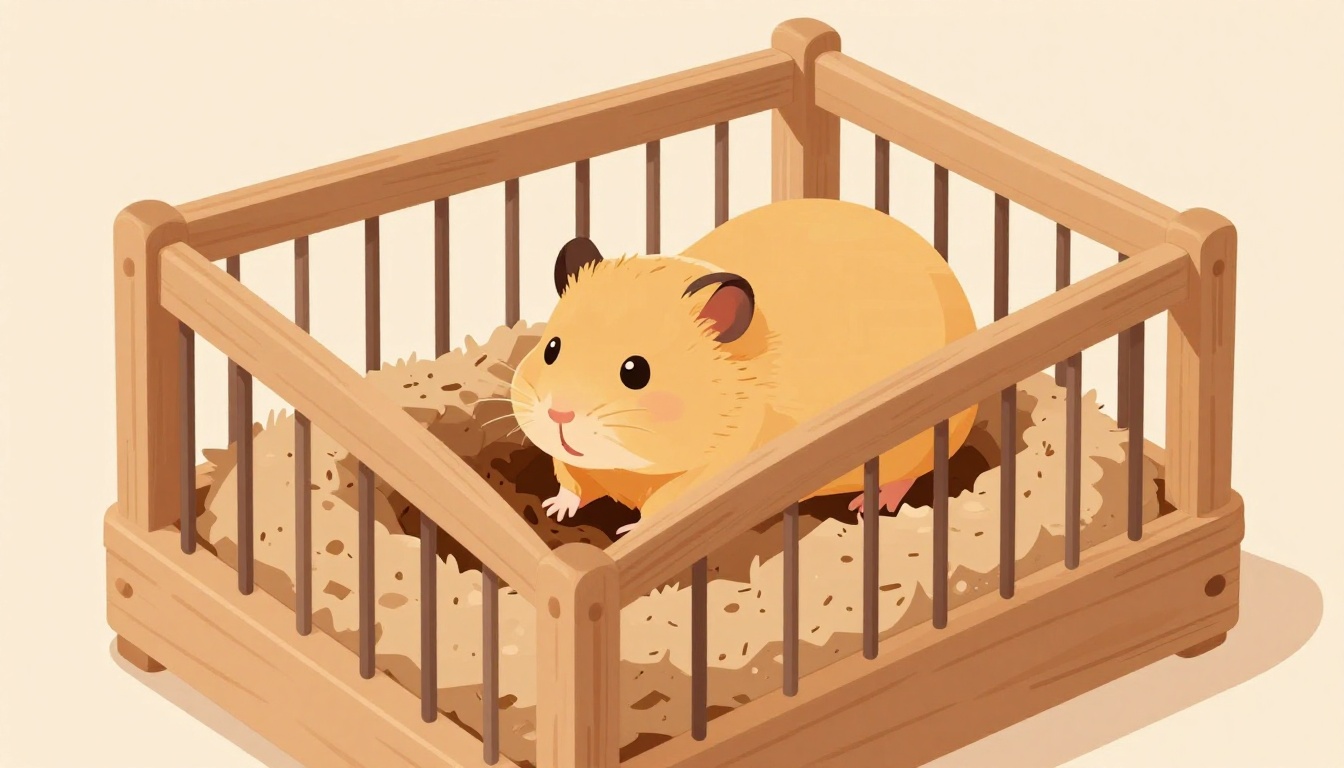
Picture your hamster tunneling through soft bedding, cheeks stuffed with fluff as it builds the perfect nest. That joyful burrow makes their cage feel like home. But pick the wrong material, and you risk health issues like sore paws or breathing trouble.
New owners often grab cheap shavings from the store without thinking twice. Safe bedding materials for hamsters prevent those mistakes. They keep odors down, protect tiny lungs, and let natural digging instincts shine. This guide covers why bedding matters, top picks your pet will love, materials to skip, and easy setup tips. You will learn simple ways to choose right.
Why Safe Bedding Keeps Your Hamster Healthy and Happy
Bedding does more than fill the cage bottom. It absorbs waste, cushions feet, and sparks play. Good choices cut vet bills and boost joy.
Hamsters spend hours digging and nesting. Poor options lead to stress or illness. For example, dusty stuff irritates eyes. Wet spots breed bacteria. Safe bedding fixes that.
Shielding Delicate Lungs from Dust and Harmful Fumes
Hamsters have sensitive airways. Dust from bad bedding causes sneezing or wheezing. Over time, it leads to infections.
Shake a handful of bedding before buying. If clouds form, skip it. Safe types stay low-dust. Think of it like pollen for people with allergies. Clear lungs mean active pets.
For more on respiratory risks in small pets, check PetMD’s hamster care tips.
Preventing Skin Problems and Foot Injuries
Rough edges cut paws during runs. Hamsters wheel for miles nightly. Soft bedding prevents bumblefoot sores.
Urine soaks cause dermatitis too. Absorbent materials dry fast. That keeps skin healthy. Smooth textures mold to bodies without scratches.
Supporting Natural Behaviors Like Burrowing and Nesting
Deep bedding lets hamsters dig tunnels. They hide food and sleep secure. Shallow layers frustrate them.
Two to three inches deep works best. Watch your pet relax and play more. Stress drops when instincts meet needs.
Top Safe Bedding Materials That Hamsters Adore
Stick to proven options. They score high on absorbency, low dust, and fun factor. Prices stay under $20 per large pack. Buy at pet stores or online.
Syrian hamsters need deeper layers than dwarfs. Test small bags first.
Paper-Based Bedding: The Soft, Super-Absorbent Choice
Recycled paper shreds like Carefresh shine. They soak urine fast and control smells. Dust-free formula suits sensitive noses.
Pros include compostable waste and body-molding comfort. Cons mean soggy spots if you skip changes. Owners love it for allergy homes. One user said, “My hamster nests all day now.”
Aspen Shavings: Natural Wood Without the Risks
Kiln-dried aspen shavings offer affordability. They let great burrowing without pine dangers. Neutral scent avoids stress.
Pros cover low cost and burrow-ability. It tracks a bit and absorbs less than paper. Look for “safe for small animals” labels. Pairs well with corner litters.
Hemp and Coconut Fiber: Eco Picks for Green Owners
Hemp bedding absorbs like a champ. Coconut coir adds softness and breaks down naturally. Both suit eco minds.
Pros feature biodegradability and texture. They cost more and vary in stores. Great for beginners wanting green swaps. Hamsters groom less with these.
See a full list of options at Small Pet Select’s hamster bedding guide.
Bedding Materials to Never Put in Your Hamster’s Cage
Some popular picks harm fast. Imagine your pet wheezing from fumes or blocking guts with litter. Skip these always.
Labels trick sometimes. Read close.
Aromatic Woods Like Pine and Cedar Shavings
Pine and cedar release phenols. They strain livers and lungs over weeks. Even kiln-dried versions risk damage.
Symptoms hit as labored breath or lethargy. Swap for aspen instead. Vets see this often in new cages.
Corn Cobs, Cat Litters, and Other Traps
Corn molds quick in wet spots. Poor soak leads to smells. Clumping cat litter sticks if eaten, causing deadly blocks.
Fabric balls snag nails. Sand dries skin. They look fun but spell trouble. Stick to shreds or pellets.
The ASPCA warns on small pet hazards.
Step-by-Step Guide to Picking and Using Hamster Bedding
Shop smart with a checklist. Budget $15 monthly for a medium cage.
What to Look for on Labels and in the Store
Seek “dust extracted,” “no phenols,” “for hamsters.” Grab a handful; no dust cloud means win. Match depth to species: more for Syrians.
Cage size matters. Big bins save cash.
Daily Care Routines to Keep Bedding Fresh
Spot clean wet corners daily with a scoop. Sniff for ammonia weekly; full change then. Rotate toys to spread wear.
Wash cage weekly. Store extras sealed dry.
Quick FAQ:
How deep? 2-3 inches.
Change how often? Weekly full, daily spots.
Odor fix? Add litter corner.
Safe picks like paper or aspen protect lungs, paws, and play. Dodge pine, clumping litters, and dust traps. Maintain daily for fresh vibes.
Your hamster thrives in the right setup. Share your pet’s favorite bedding below. Consult a vet for special needs. Give that burrow the best; watch happiness grow.